Sheriff Fell is pleased to announce that the Rock County Sheriff’s Office will offer our next 2026 Hunter Safety Education Course on May 2, 2026, from 8:00 a.m. – 3:00 p.m., and May 3, 2026, from 8:00 a.m. – 12:00 p.m., at the Edgerton Conservation Club, 900 Stoughton Road, Edgerton, WI 53534. There will be an in-person introductory session on April 22, 2026, from 6:00 p.m. – 7:00 p.m., at the Rock County Sheriff’s Office, 200 East U.S. Highway 14, Janesville, WI 53545. Students need to attend all sessions to graduate. Anyone born on or after January 1, 1973, is required to complete a Hunter Safety Education Course to legally hunt in Wisconsin. Students must be at least 12 years of age.
Hunter Safety Education Course
Session 1: April 22, from 6:00 p.m. – 7:00 p.m. @ Rock County Sheriff’s Office Session 2: May 2, from 8:00 a.m. – 3:00 p.m. @ Edgerton Conservation Club Session 3: May 3, from 8:00 a.m. – 12:00 p.m. @ Edgerton Conservation Club
Class size is limited to thirty (30) students. Upon submission of the registration form, the submitter will see an onscreen confirmation message with course information. The course fee of $10 per student will be collected at the first session. If the student is under 18 years old, a parent/guardian will need to attend the first session with the student. Students will receive course materials at the first session. Please direct any questions to Deputy Michael Borgwardt at michael.borgwardt@co.rock.wi.us.
Editor’s note: It is not necessary to be a Rock County resident in order to participate in these classes.
City of Whitewater Launches New Website and Mobile App Platform
The City of Whitewater is proud to announce the launch of its new official website and digital platform, designed to provide a more modern, accessible, and connected experience for residents, businesses, and visitors. While the City’s web address remains the same, the platform itself is entirely new featuring an updated design, improved functionality, and expanded access to city services and information.
In addition to the new website, the city is introducing a mobile app that can be downloaded from the Apple App Store and Google Play Store. The app allows users to stay informed with city news, receive notifications, and easily access services directly from their smartphones.
Residents are encouraged to explore the new platform and experience its features firsthand. Visit theCity of Whitewater website as usual or search for “City of Whitewater” in your app store to download the mobile app.
High schoolers from across the region to perform in Jerry Ensemble Cabaret
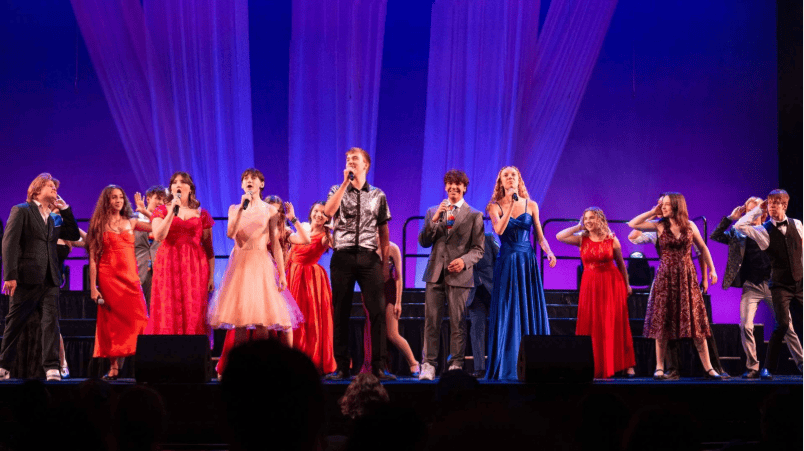
Get ready for a dazzling night of song and storytelling! The Southern Wisconsin Jerry Ensemble takes the stage with two performances at 6 p.m. and 8 p.m. on Monday, March 30 in Promenade Hall. The Jerry Ensemble Cabaret will feature everything from beloved musical theater classics to the latest Broadway hits. Tickets ($30) are available at overture.org.
Overture’s Southern Wisconsin Jerry Ensemble is made up of accomplished high school singers from 11 Wisconsin schools. They will wow you with solos, duets, trios and more. Sing along with familiar favorites and discover new showstoppers while enjoying an evening of pure musical magic. With their incredible talent and infectious energy, these performers are sure to leave you humming long after the final note.
The Jerrys, one of Wisconsin’s High School Musical Awards Programs, encourages, recognizes and honors excellence in high school musical theater. The program began in the 2009/10 school year as the Tommy Awards and was renamed in 2017/18 season to The Jerrys after philanthropist and arts supporter W. Jerome Frautschi. Educators and industry professionals attend productions at nearly 115 high schools in 30 counties around the state, providing valuable feedback. The program elevates the importance of musical theater within high schools.
The Jerry Ensembles are the premier performance groups representing the Jerry Awards in Southern and Central Wisconsin featuring select vocal performers from schools participating in the Jerry Awards program. Students are selected through auditions each year. The Southern Wisconsin Jerry Ensemble is directed by Gail Becker and the Central Wisconsin Jerry Ensemble is directed by Marshall DeLonay.
OVERTURE CENTER FOR THE ARTS in Madison, Wis. is a 501(c)(3) nonprofit arts organization that features seven state-of-the-art performance spaces and five galleries where national and international touring artists, nine resident companies and hundreds of local artists engage people in more than 500,000 educational and artistic experiences each year. Overture’s mission is to support and elevate our community’s creative culture, economy and quality of life through the arts. overture.org
Editor’s note: This press release was provided by the Overture Center.
The Whitewater Arts Alliance warmly invites community members and artists of all experience levels to join Exploring Lines, a drawing workshop led by renowned muralist and educator Caryl Yasko.
The workshop will take place on Monday, March 30, 2026, from 5:30 pm – 8:30 pm at the Cultural Arts Center, 402 W. Main Street in Whitewater. Exploring the power of gestural lines in drawing, this workshop invites artists to loosen up, observe deeply, and express form through movement while creating one shared, collaborative drawing together.
Yasko brings decades of experience to the workshop as a nationally recognized artist, sculptor, muralist and pioneer of community‑based public art. Raised in Racine and shaped by artistic training in both the Midwest and Japan, she developed a distinctive approach rooted in movement, brushwork, and the belief that art should be accessible to everyone.
As one of the founding members of the Chicago Mural Group—now the Chicago Public Art Group—she helped lead a national shift toward collaborative, community‑centered mural making, including her iconic Under City Stone mural in Chicago.
Now living in Whitewater, she continues to mentor artists and share her generous, joyful approach to drawing. With a maximum class size of 15, Yasko will personally engage with artists to open up and freely express form through line.
The cost is $10, and registration is available in person at the Cultural Arts Center, located on the second floor at 402 W. Main Street in Whitewater during regular gallery hours, which are Thursday through Sunday from 12 p.m. to 4 p.m.
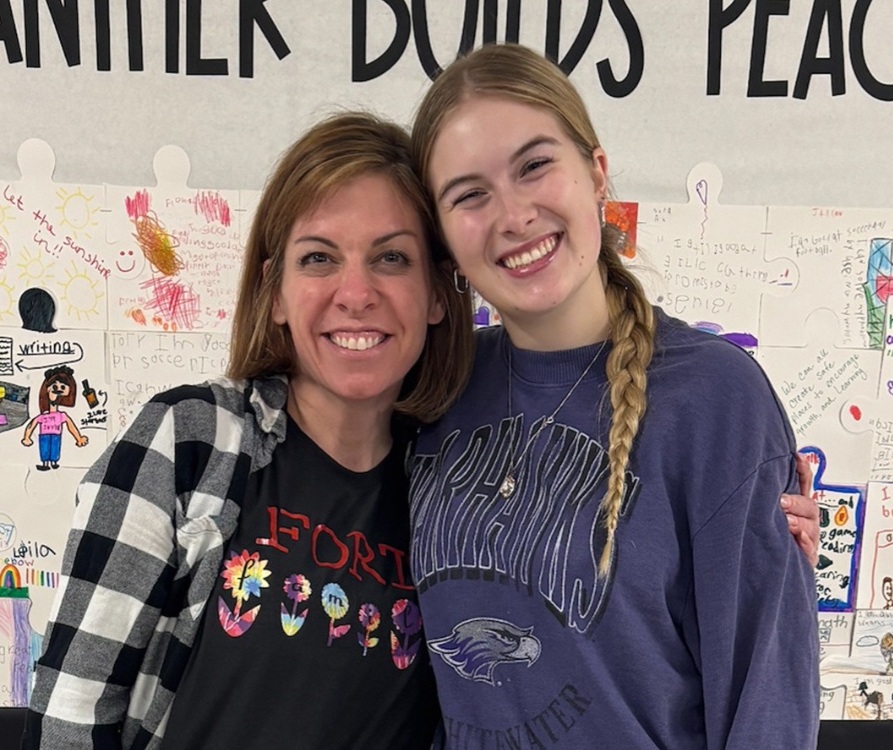
Pictured left: Lillian Groblewski, at right, pictured at Purdy Elementary School, home of Flourishing Next Steps, with program coordinator Molly Fuller. (Submitted photo)
In-school partnership benefits UW-W students, Fort Atkinson community
Written by Abigail Dotzler | Photos by Craig Schreiner, submitted
The best way to learn how to change lives is to start doing it now. For a future speech-language pathologist, there’s a monumental difference between reading about textbook “intervention strategies” and actually helping a child master reading and math.
At Purdy Elementary in Fort Atkinson, college students like Lillian Groblewski are earning real-world experience long before graduation through a unique collaboration between the University of Wisconsin-Whitewater and Flourishing Next Steps. They’re bridging the gap between theory and practice and building their professional confidence one after-school session at a time.
As part of the Communication Sciences and Disorders (COMDIS) program’s emphasis on hands-on learning, students take two credits of an experiential learning requirement, which can manifest as an internship, an independent study, a travel study, or a field study.
While university-facilitated field studies are common in the graduate program, the department is proud to offer a field study for undergraduate students as well. By collaborating with Flourishing Next Steps at Purdy Elementary School, the program is supporting students’ professional development, or “scaffolding student success,” according to Lynn Gilbertson, COMDIS department chair and professor of communicative disorders.
As schools are the top employment setting for speech-language pathologists, Flourishing Next Steps is an ideal fit to introduce students to their most likely professional environment.
The after-school program is for children between kindergarten and second grade in the Fort Atkinson school district, less than 10 miles from campus. The program uses interactive activities and play to promote learning and social and emotional development.
“Students participate in hands-on, applied experiences that are relevant to the field, by working with different kinds of client populations or other professionals that they’ll be collaborating with and teaming with when they are speech-language pathologists or audiologists in the future,” said Gilbertson.
In December 2025, Lillian Groblewski completed her second semester volunteering at Flourishing Next Steps. She assisted interventionalists in developing reading, writing, and math skills in the students.
While weighing the career options of teaching or pediatrics, Groblewski, a junior and a first-generation college student from Lake Villa, Illinois, stumbled upon UW-Whitewater’s COMDIS program, which she sees as the perfect blend between the two.
“It also was really important for me that [I would be] able to give back or have more sense of purpose in my job,” she said, “and I found it with the major.”
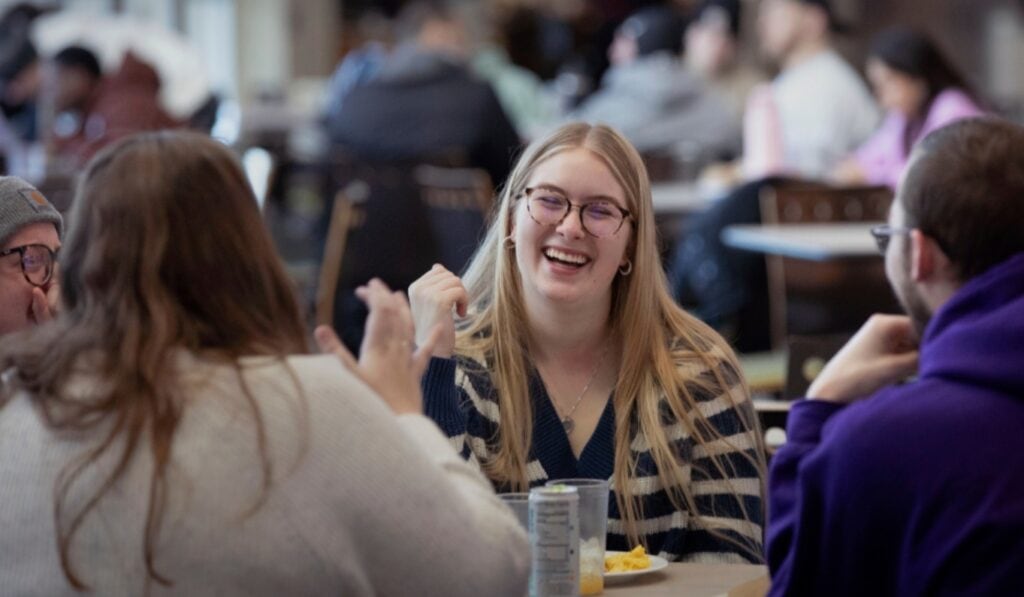
Lillian Groblewski, a communication sciences and disorders student from Lake Villa, Illinois, meets up with friends in the University Center on Monday, Jan. 27, 2025. (UW-Whitewater photo/Craig Schreiner)
She and other “bigs” — as Flourishing Next Steps terms those who work with the children — from the COMDIS department volunteer twice a week at Purdy Elementary School, earning 45 hours of experience per semester.
During twice-daily debriefs, the Flourishing Next Steps coordinators offer feedback and strategies for implementing new tools. They provide the volunteers with learning targets to work toward with the children, and guide the volunteers through the hands-on activities.
Groblewski loves seeing behind the scenes of how a program like Flourishing Next Steps is run, and this real-world experience has given her a new perspective on her coursework.
“I’m not just going to class. I’m going to get something out of this,” she said.
Groblewski sees the strategies she learns in the classroom play out in real life at Flourishing Next Steps as the children’s performance improves. The strategies and techniques students are learning aren’t limited to their field studies — they can apply them in their careers as well.
Gilbertson highlighted the behavior management skills, intervention strategies, and professional connections that students develop through the field study and stressed that each student chooses their own goals for their field study. By collaborating with their supervisors and with Gilbertson and her team, students can individualize their experience and learning.
Beyond the classroom, COMDIS students gain confidence and a sense of community. Groblewski stressed the greater purpose she feels on campus, too, as a result of her field study. Because of the opportunities afforded by their field study, students are able to branch out, get involved, and make a difference in the community beyond the university.
In the spring 2026 semester, COMDIS students continue to work with Flourishing Next Steps, through both the field study and independent studies. The program has become an invaluable partner for the COMDIS department.
Gilbertson and the COMDIS department are open to expanding their undergraduate field studies and encourage those with ideas to reach out.
“We are really excited to work with our communities surrounding us to facilitate career readiness and student learning.”
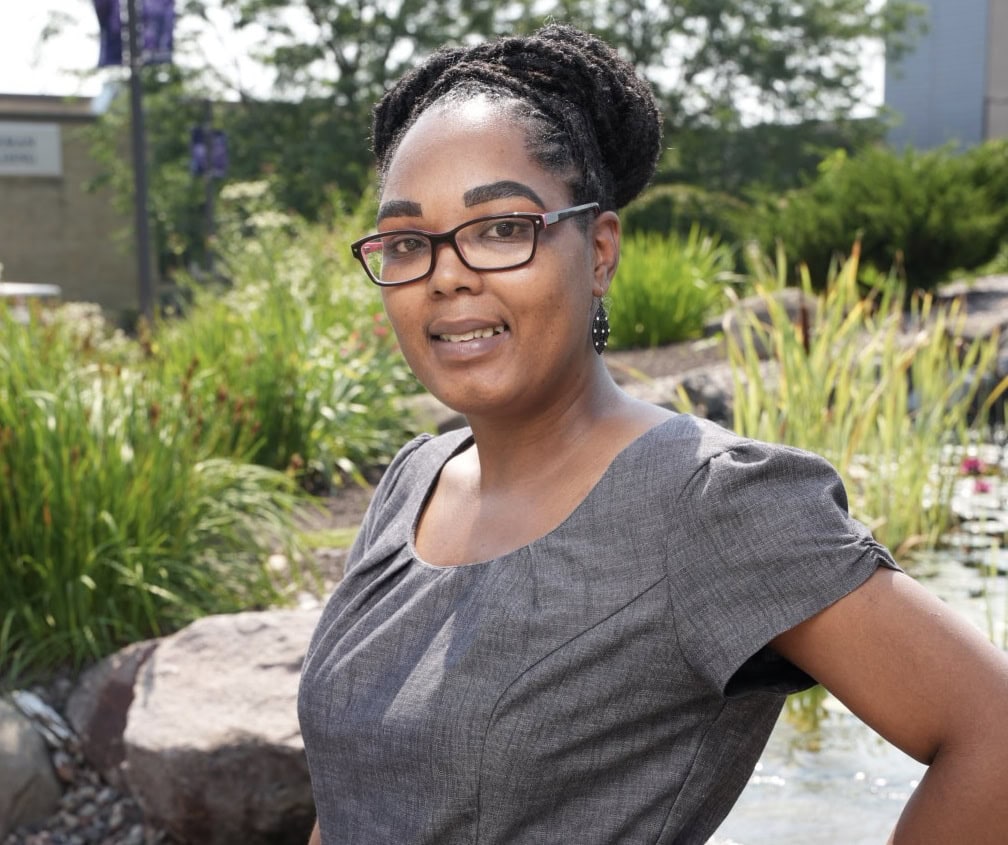
My name is Terri Jones, and I have been proud to call Whitewater home for 24 years. I have served as an educator for more than a decade. I am a two‑time alumna of the University of Wisconsin–Whitewater, where I earned a bachelor’s degree in Broadcast Journalism and a Master of Science in Mass Communication with an emphasis in Higher Education. Throughout my career, I have had the privilege of supporting countless students on their collegiate journeys and celebrating their successes.
I firmly believe that every student deserves equitable access to a high‑quality education. My goal is to support, resource, and advocate for students—especially those who may not have the ability or opportunity to advocate for themselves. As a first‑generation college graduate, I understand the challenges many students face, and that lived experience motivates me as I seek election to the WUSD School Board.
While I do not have children of my own, I bring extensive experience working with students of all ages and backgrounds. For example, I helped initiate the Little Scholars Pen Pal Letter Exchange with Lincoln Elementary School and recently collaborated with the Battle of the Books competition. As an avid reader, I am passionate about promoting literacy and nurturing a lifelong love of learning.
On the UW–Whitewater campus, many know me affectionately as “Mother Hen,” a nickname that reflects the care, mentorship, and encouragement I strive to provide. I support students by attending fundraisers, student‑led events, athletic competitions, and other campus activities. I also prioritize building strong relationships with parents, alumni, and community members to ensure students feel supported from every angle.
I believe I have been called to serve as a steward for this community and to use my skills to advocate for our youth. I stand firmly by the CORE value that students are our number one priority. I also believe deeply in the saying, “It takes a village,” because it truly does. I am ready to connect, partner, and collaborate with anyone who shares the goal of supporting the well-being and education of the children in our district.
If you believe in my commitment and feel I can bring meaningful contributions to the WUSD School Board, I humbly ask for your support in the April 7 election. Please confirm all election details through official sources.
Editor’s note: This announcement was provided by Terri Jones. The Whitewater Banner welcomes a submission to whitewaterbanner@gmail.com from Common Council, School Board or Town Board candidates for the city and nearby towns.
It is never too early to prepare for the aging experience. It is going to happen to all of us and the more prepared we are, the more likely we will age gracefully. A number of doctors and experts were asked to come up with a mantra – a short slogan that encapsulates a core truth about physical and mental health. Here are some of them.
Aging is a good thing.
Getting old makes you wiser, more resilient, more accepting and happier. Do your best when changes and challenges come into your life. Focus on what you can do, not what you can’t.
The way to health is through the gut.
The gut talks to the brain and to the immune system, the two most important organ systems for maintaining health and preventing age-related diseases. Keeping your gut healthy through diet and activity is your best defense.
Sleep is important but not important enough to lose sleep over.
Sleep is when our body pushes the reset button for our brain and prepares it for the next day. But some of us get so anxious that bedtime becomes a battleground. If you can’t stop thinking about your problems, try to find behaviors that turn off your brain and you might nod off, such as deep breathing, reading a few pages of something not too stimulating, tensing and relaxing your muscles, or drinking some warm milk. Don’t hesitate to get professional help when needed.
This article is submitted by Dementia Friendly Community Initiative, a program of Whitewater Seniors in the Park to help educate the community about dementia and to support patients and their care partners. New committee members are very welcome! Call Debbie to volunteer dandrus@whitewater-wi.gov 262 473 0535
Lisa Huempfner Running for Re-Election for Whitewater Unified School District Board
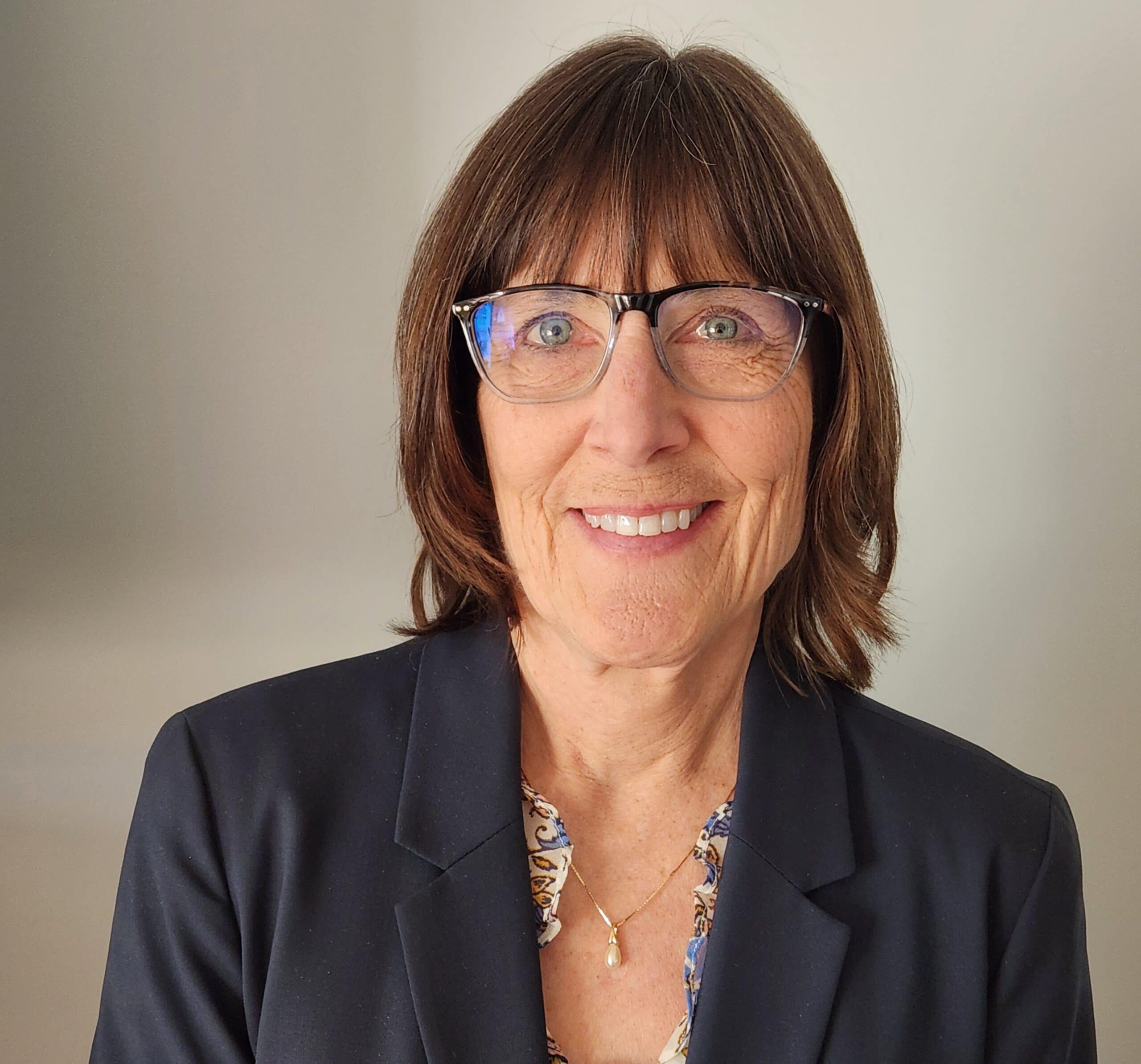
Lisa Huempfner has announced her candidacy for re-election to the Whitewater Unified School District (WWUSD) School Board, reaffirming her commitment to supporting all students and strengthening the community through high-quality education.
A current board member, educator, and longtime community advocate, Huempfner brings extensive experience in education, including a doctorate in Educational Leadership and Policy Studies and a career spanning teaching, assessment development, and teacher training. As an Associate Professor of Spanish at UW–Whitewater, she has also worked closely with local schools, fostering partnerships and supporting bilingual education initiatives.
“Healthy schools are at the heart of thriving communities,” said Huempfner. “I am committed to ensuring that every child—regardless of background—has the opportunity to succeed.” Huempfner cites the district’s evolving needs, including the recent growth of the immigrant student population after the pandemic, as a key motivation for continuing her service. She emphasizes the importance of expanding multi-language programming, strengthening early literacy efforts, and increasing outreach to families. She also prioritizes student mental health, school safety, responsible technology use, and the well-being of teachers.
During her time on the Board, Huempfner has supported the adoption of new reading and math programs and efforts to improve attendance and close achievement gaps. Given the heavy property tax burden felt by many constituents, she has also urged the district to seek ways to cut costs while at the same time advocating for more state funding. She plans to continue building partnerships with the university, local businesses, and community organizations to expand academic and career-readiness opportunities for students.
A dedicated parent and community member, Huempfner has been actively involved in local schools, youth athletics, literacy initiatives, and outreach to Spanish-speaking families. Her background growing up in a working-class Wisconsin family informs her commitment to representing diverse perspectives and finding solutions that benefit all students.
“I believe in listening, collaboration, and leading by example,” Huempfner said. “Together, we can continue to move our district forward.”
Editor’s note: This announcement was provided by Lisa Huempfner. The Whitewater Banner welcomes a submission to whitewaterbanner@gmail.com from Common Council, School Board or Town Board candidates for the city and nearby towns.
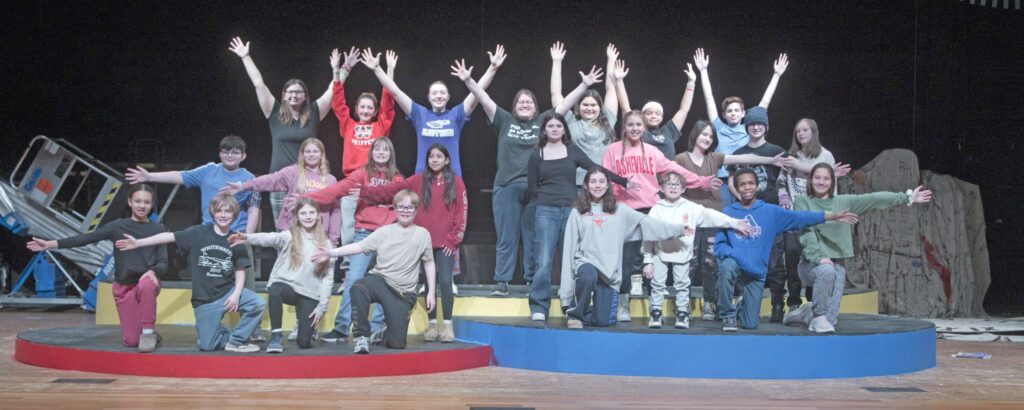
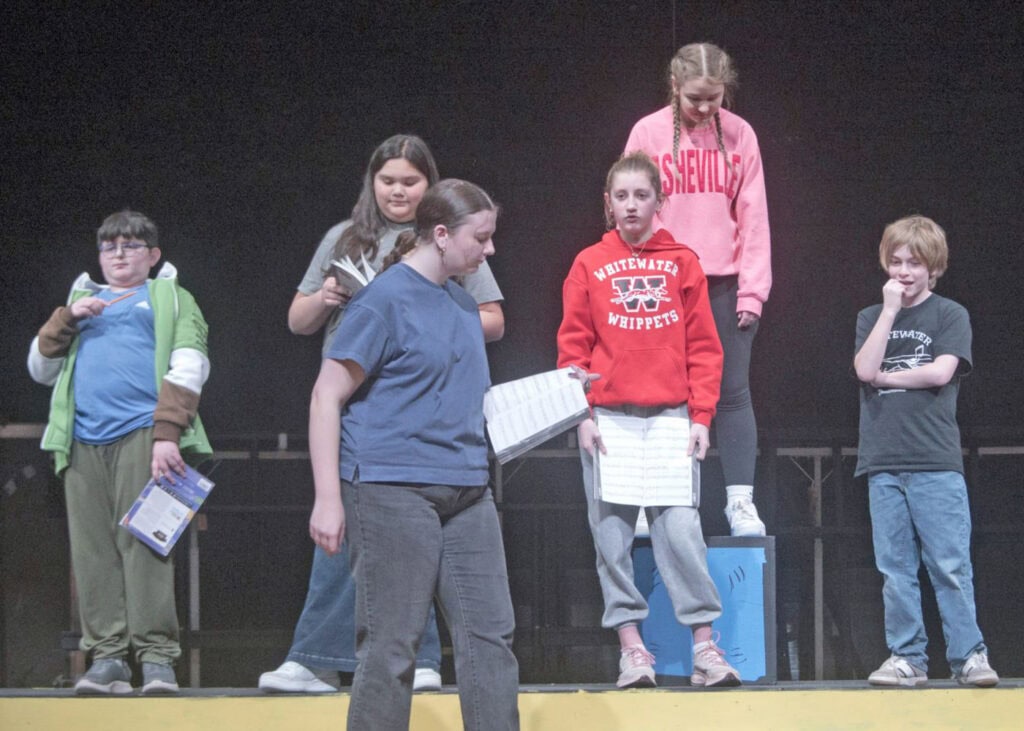
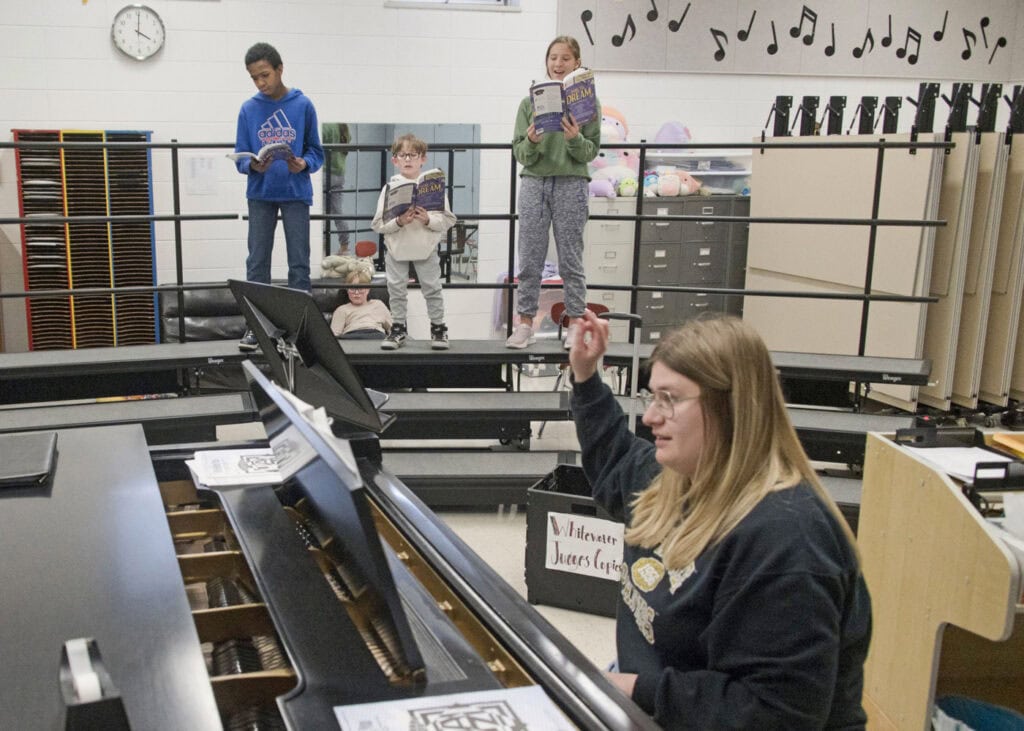
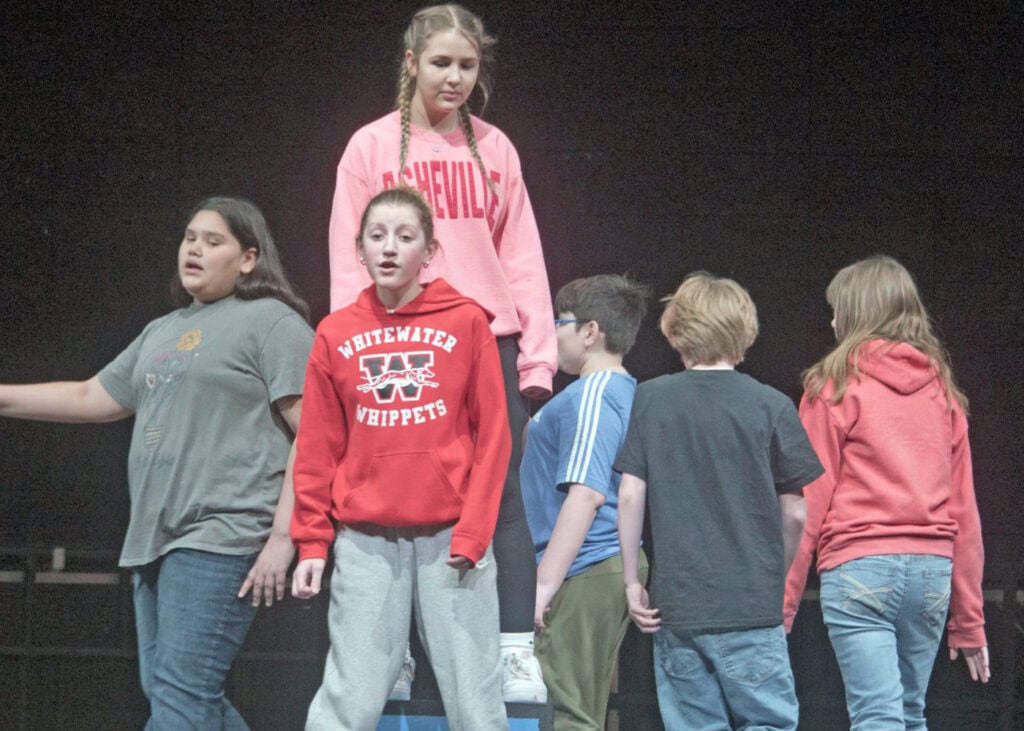
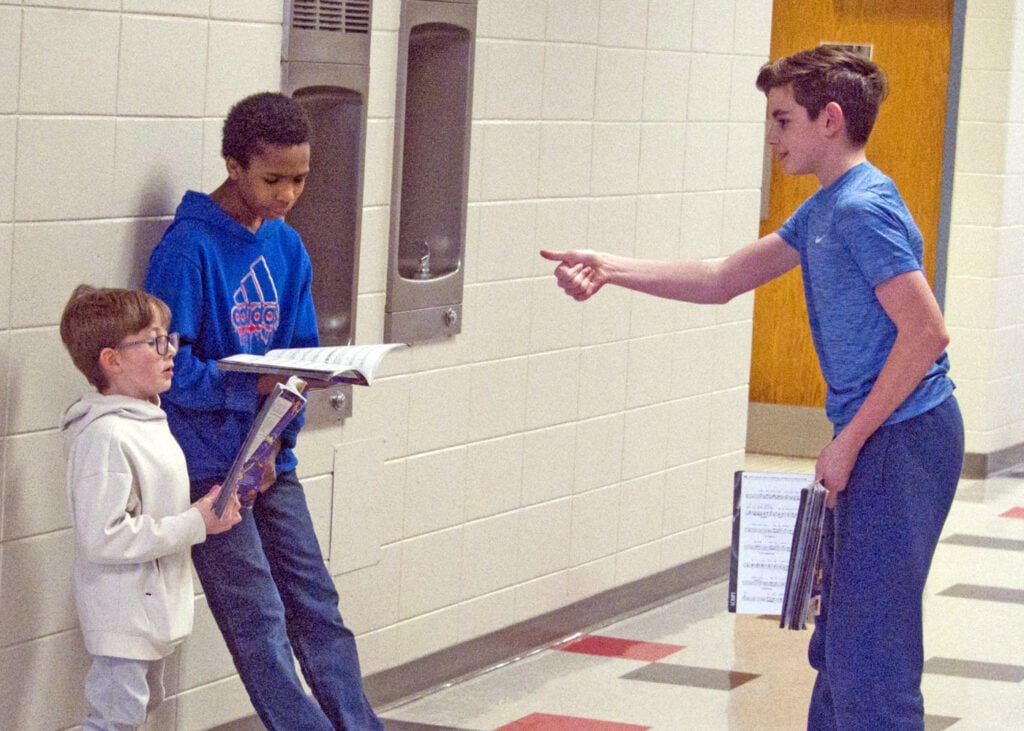
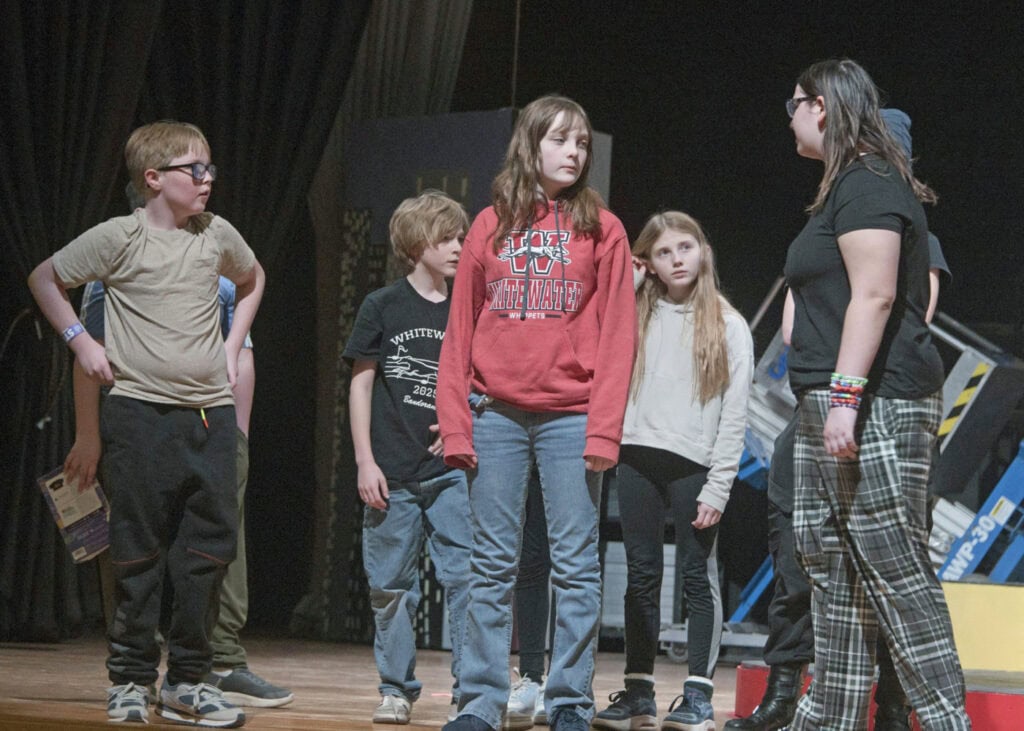
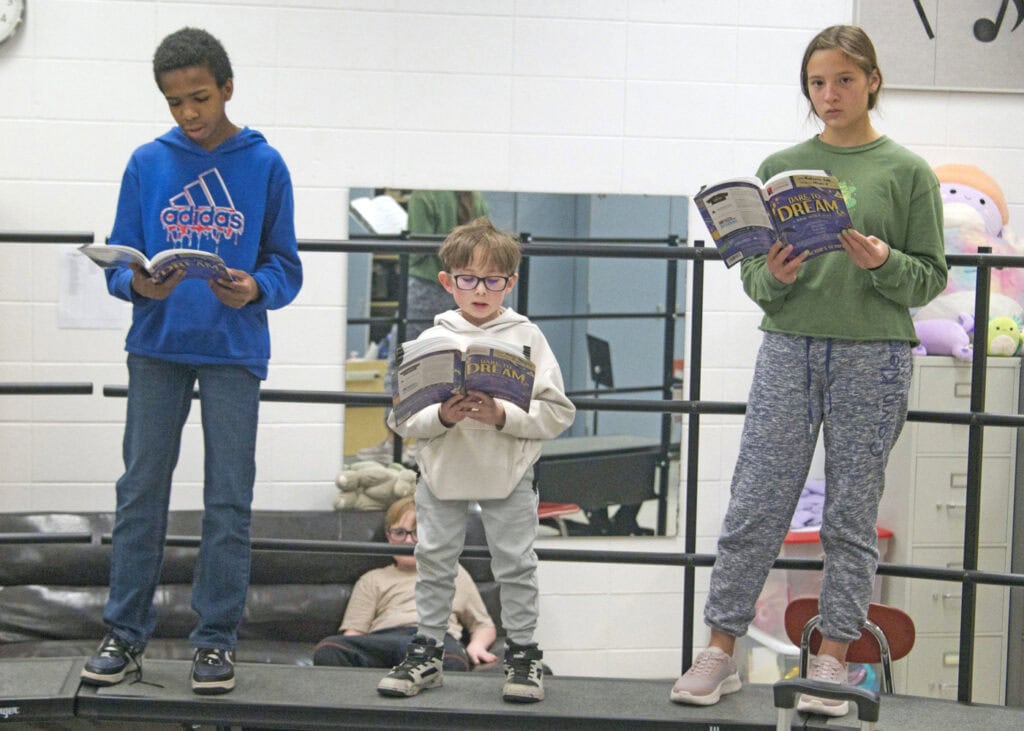
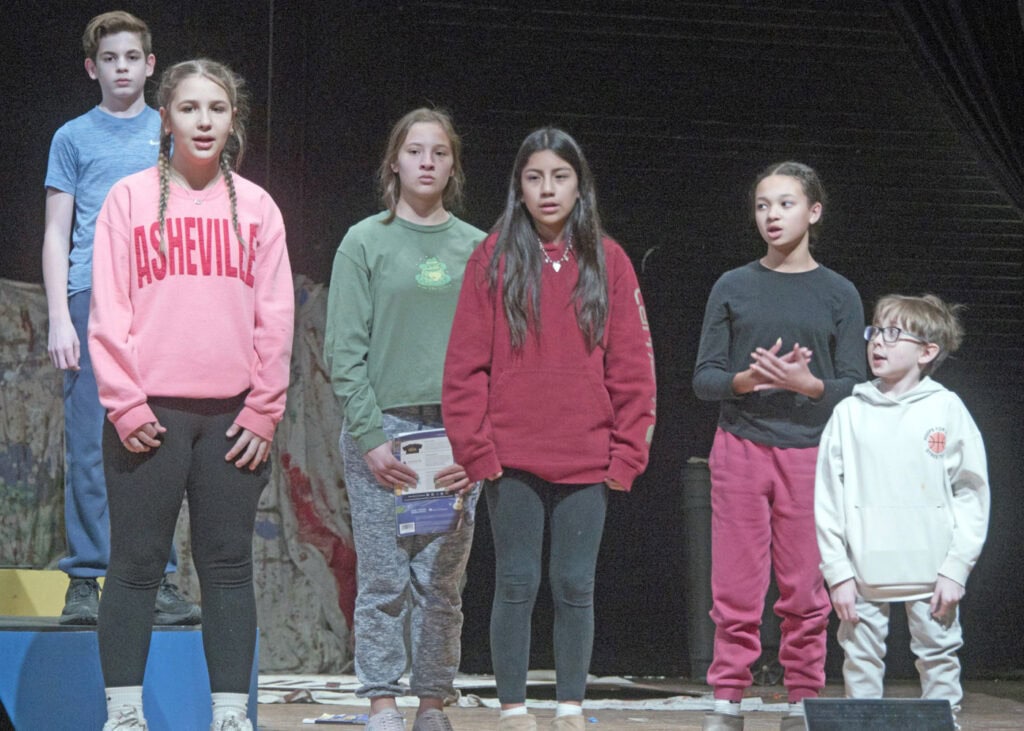
There’s no better way to treat an early case of spring fever than by taking in a performance of Whitewater Middle School’s production of Walt Disney’s “Dare to Dream JR” in the James M. Stewart Auditorium at Whitewater High School on Apr. 9 and 10 at 7 p.m. and Apr. 11 at 2 p.m. Tickets (Apr. 9 – Pay What You Can, Apr. 10 and 11 – $10 adults, $5 students) are available an hour before the performances. Also, 30 minutes before the performances, Tom Ganser’s photos from the WMS productions of “Seussical” (2023), “Far Fetched Fairytales” (2024), and “Annie” (2025) will be shown.
Under the direction of MacKenzie Gehrke and assistant director Alyssa Orlowski, the cast includes Ellie Accetta, Alanna Alaniz, Lucy Baldwin, JJ Boss, Finley Bunger, Evangeline Burdine, Noah Clarksen, Kinleigh Dvorak, Mary Horner, Neema Kejo, Amelia Lefaive, Leah Lenartowski-Schramm, Madalynn Lesar, Rafaela Los, Karlee Luna, Samantha O’Donnell, Laylah Ortiz, Owen Pinzino, Donovan Ross, Elin Rothwell, Avery Schultz-Majkrak, Monserrat Serna, Sylvia Straight, Lily Tranel, Oliver Villanueva, Felicity Volbright, and Aubree Wojtkunski.
Led by Kat Dunham, the crews include Evie Baker, Corbin Bunger, Alejandra Escobar, Tucker Marshall, Anabelle Ries, Rayhane Savadogo, Hannah Scott, Mason Taylor, Angie Zeferino-Hernandez, and Arlo Zotti.
”Dare to Dream JR” is a musical revue that follows an eager group of trainees on their first day at a fictional Walt Disney Imagineering Studio. As the group sets out to help each other discover their dreams, they work together to explore the power of dreams to unite, inspire, and make anything possible.
Drawing from a century of beloved Disney films, “Dare to Dream JR.” includes the classics “Be Our Guest” from “Beauty and the Beast,” “When You Wish Upon a Star” from “Pinocchio,” and “Let It Go” from “Frozen.” Also appearing for the first time in a Disney stage musical are fan-favorites from “The Princess and the Frog,” “Coco,” and “Encanto.”
This musical revue is a thrilling mix of contemporary songs, timeless classics, and brand-new medleys that are sure to surprise and delight Disney lovers of all ages. “Dare to Dream JR” turns a century of Disney magic into a theatrical celebration of music, creativity, and the dreams that live inside us all.
In-person absentee voting for the city at the Municipal Building begins Tuesday, March 24 and is available Monday through Friday from 8:00 a.m. to 4:30 p.m. through April 2, and until 5:00 p.m. on April 3. Go to 2nd Floor, City Clerk’s Office, at 312 W Whitewater St.
Information for in-person absentee voting in the nearby towns may be found in this previous Banner article.
To see who is on your ballot, simply enter your address on this website.