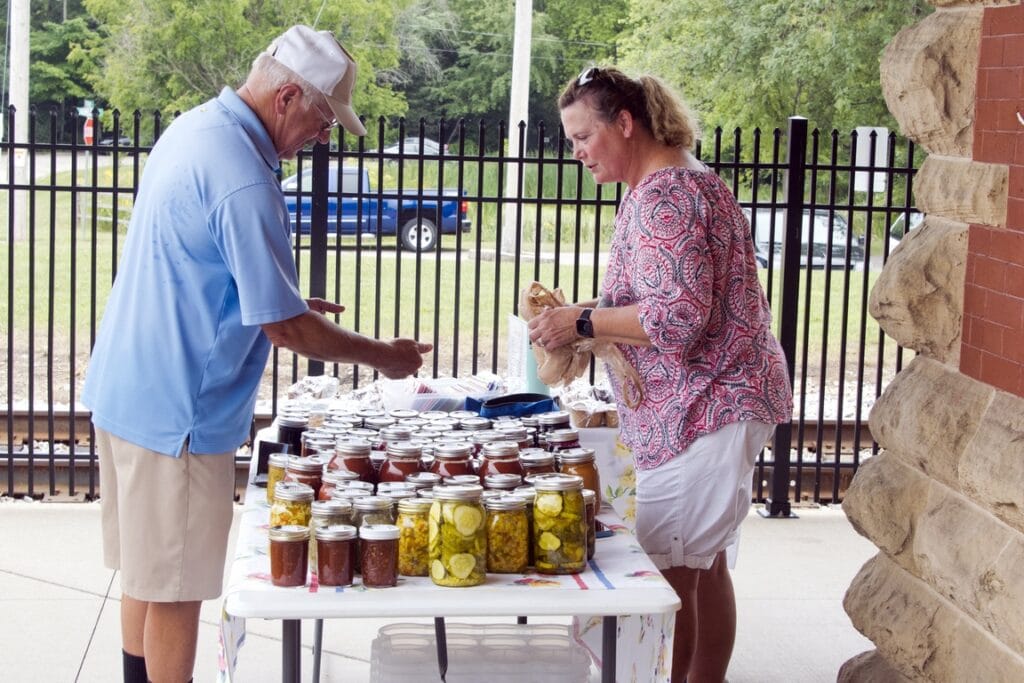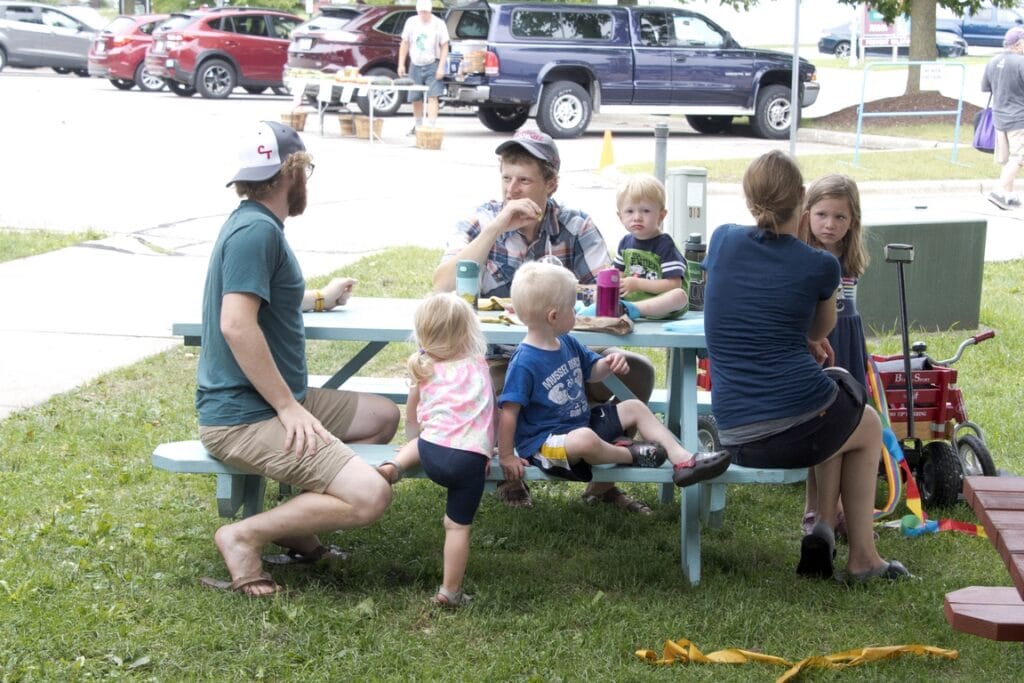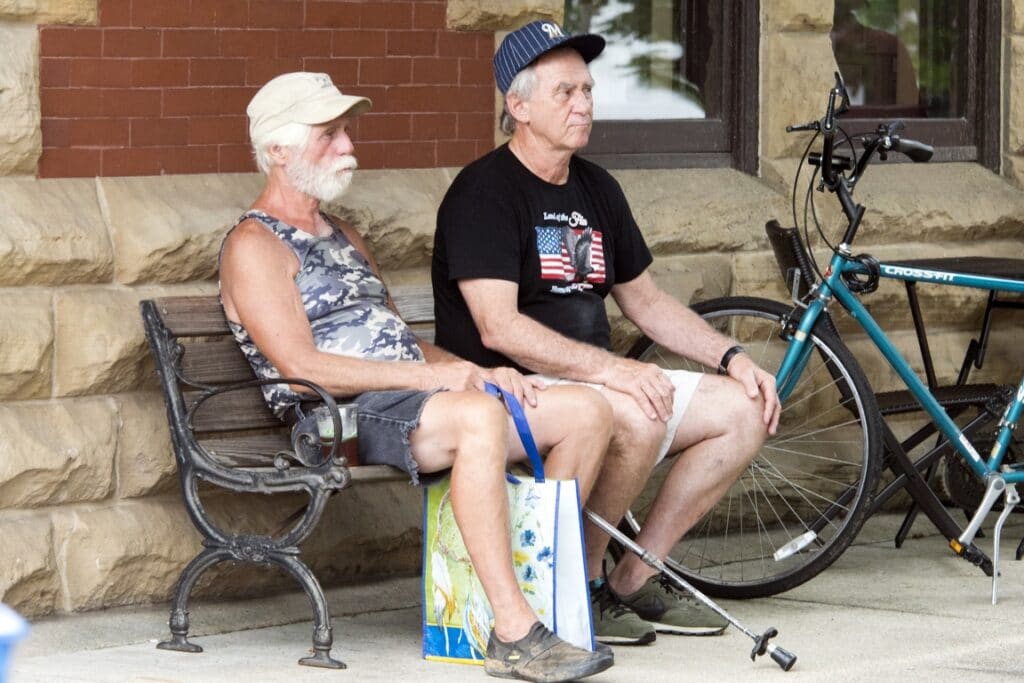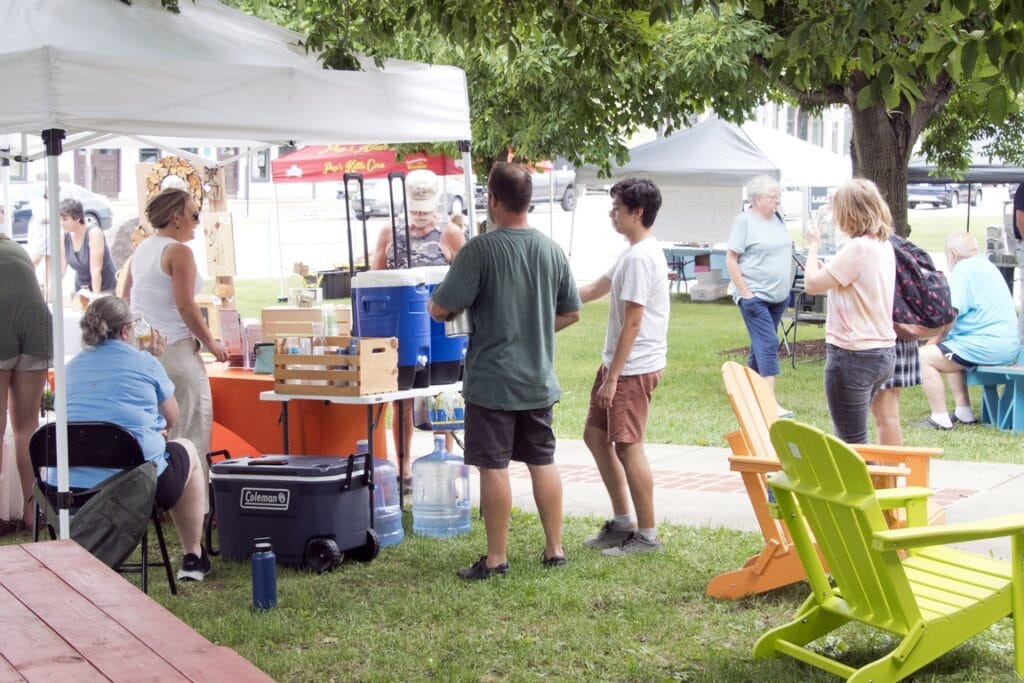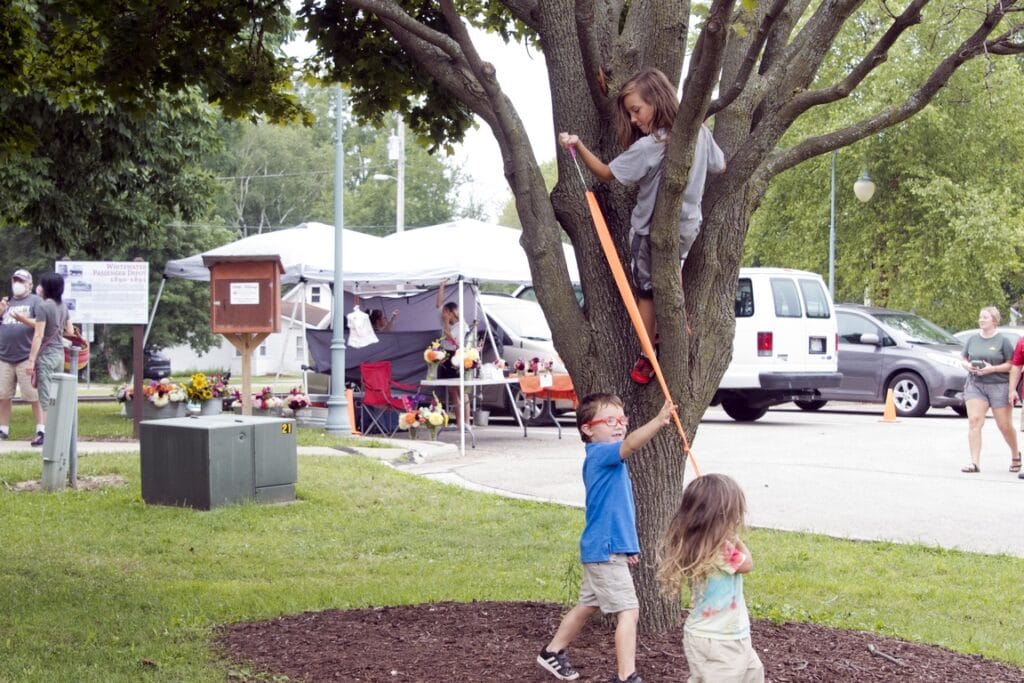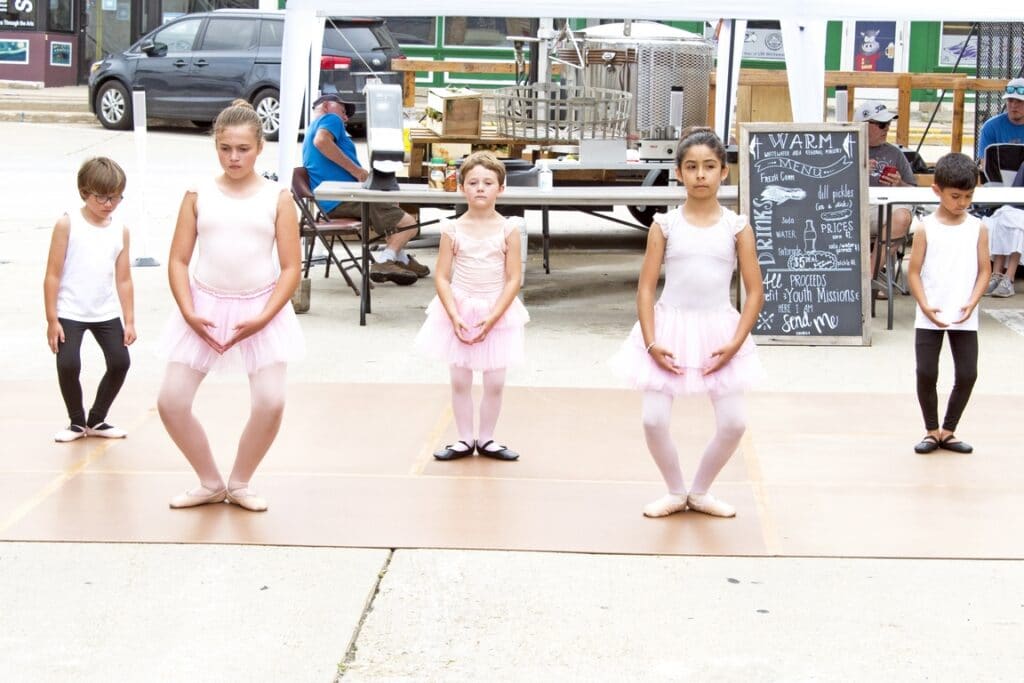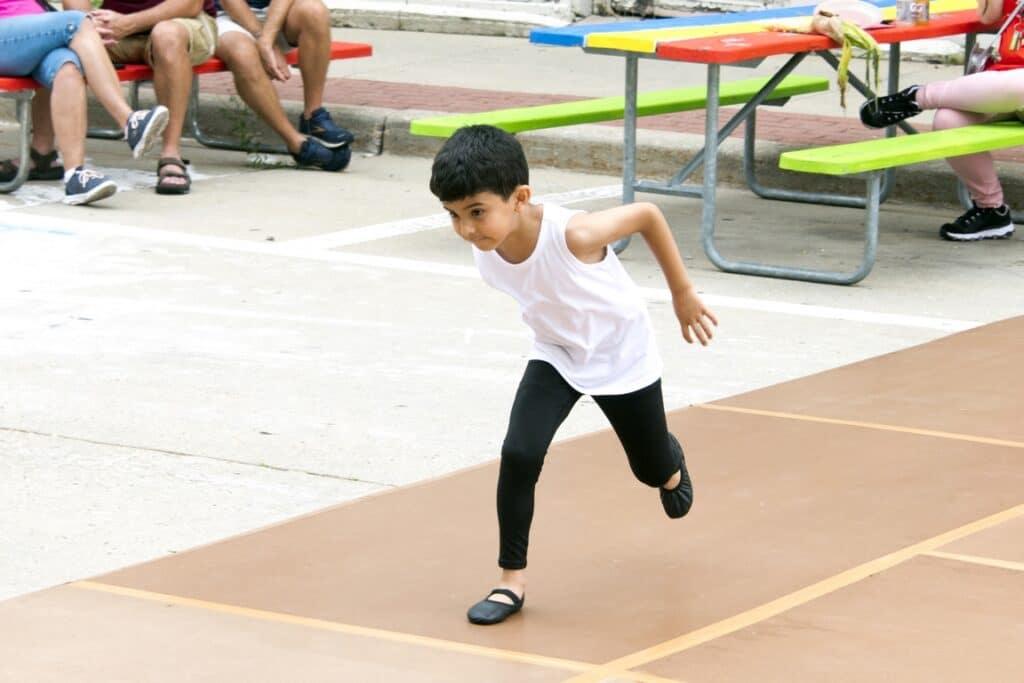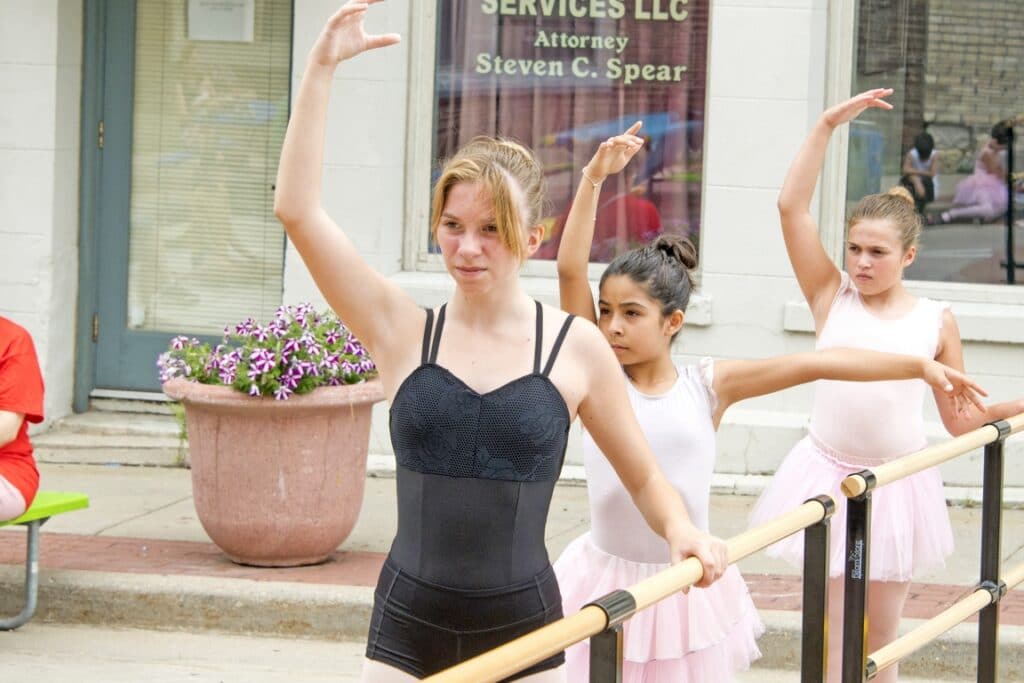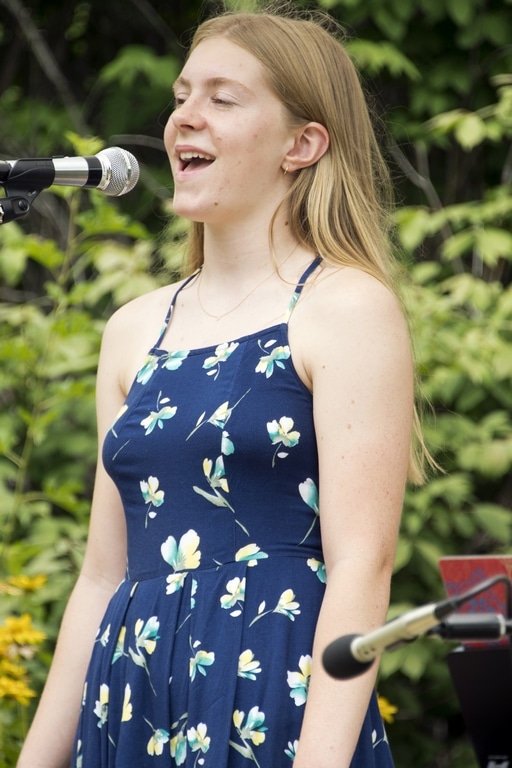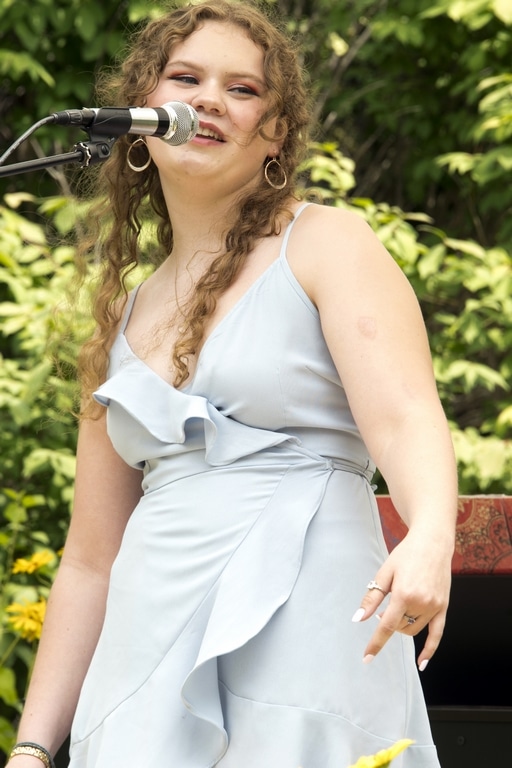




Our thanks to Jeff Bierman for sharing this beautiful photo with us.
— Our Readers Share: We hope that you might have something that you’d be willing to share. Anything that’s been created by someone else should, of course, be credited, and you should ask their permission if you’re able. We cannot post copyrighted material without permission. We can’t guarantee that we’ll have space for all submissions, and contributions will be subject to editorial board approval. The one definite exclusion is anything politically oriented. We will assume that you’re willing for us to include your name as the submitter unless you indicate that you prefer to remain anonymous. Send to whitewaterbanner@gmail.com or click on “submit a story” near the top right of our homepage. Thanks for thinking about this!
By Al Stanek Whitewater Banner volunteer staff whitewaterbanner@gmail.com
The Thursday, April 8 Whitewater Common Council meeting that was moved because of the previous Tuesday’s election resulted in final clarification of an ordinance on smoking in city parks and the announcement that the City is scheduled to receive $1.48 million of federal assistance as stipulated in the recently passed American Rescue Plan Act of 2021 (ARP). The meeting also included recognition of long-time council member Patrick Singer for his 14 years of service.
The issue of smoking in city parks has been confusing to citizens and even some council members for several years. The final resolution of the issue, which was almost not achieved due to one council member’s objections, will focus only on air-quality and health issues within 20 feet of a playground, skate park, or bleacher area as opposed to an earlier ordinance that applied to all city parks.
The issue of the $1.48 million dollars of additional federal funding came in a report from City Manager Cameron Clapper. HR 1319, or the ARP as it is known, was signed into law in mid-March. With a total authorized spending of $1.9 trillion it includes direct aid and economic stimulus funds for local governments. Reimbursed costs related to the COVID-19 pandemic along with economic stimulus funding for allowable “infrastructure improvements” are included.
ARP funding to cities like Whitewater is designated in “Section M” of the bill. That section includes nearly $220 billion of direct state and local government relief and stimulus funding which represents nearly 12% of the ARP’s total budget. More than half that amount ($130.2 billion) is designated specifically for counties, cities and other governments including the City of Whitewater.
City Manager Clapper’s report to the Common Council, based on information provided by the WI League of Municipalities, indicated the funding will be distributed in two different payments which will later be subject to audit. The first payment is expected to arrive by “mid-year.” The “League” cautioned that the US Treasury Department is still developing and issuing guidance on the 242-page legislation which “is expected take several months to complete.”
Eligible uses and restrictions on usage were highlighted in Clapper’s report. Eligible uses included replacement of lost city revenue attributed to COVID-19, reimbursement of premium pay attributed to the pandemic for essential city worker activities, and the cost of city emergency responses to the health and economic impacts of the pandemic. Investments in water, sewer and broadband infrastructure may also be approved.
Restrictions include the stipulation that funds “cannot be used to directly or indirectly offset tax reductions or delay a new tax or tax increase” and “funds cannot be deposited into any pension fund.”
Clapper cited the negative financial impact to the city-supported Aquatic Center as the best local example of COVID-19 impacts. The facility was closed for a time which impacted revenues and is still operating under a modified schedule and COVID-19 mandated restrictions.
Council member and former multiple-term Council President Patrick Singer was rewarded by a City Proclamation plus praise and applause from council members. He was first elected to the Common Council in April of 2007 and has recently run and been elected as one of the two council members elected by city-wide ballot as opposed to the remaining five who only receive votes from one city ward. Singer declined to run for reelection because of the increasing demands of his young family.
(League of Women Voters submission) The League of Women Voters-Whitewater Area invites the public to attend a virtual presentation, “Housing Insecurity,” on Thursday, April 15, 2021 at 6:30 p.m. Join this discussion to learn about the nature and degree of homelessness in the Whitewater and Fort Atkinson area, available resources, and ways in which you can assist in possible solutions for this caring community. This topic is of utmost importance since the eviction moratorium has ended. Panel members will include Kristy Weinberg, Director of Bethel House; Lanora Heim, Director of Pupil Services for the Whitewater Unified School District; Cathy Anderson, Whitewater Economic Development Director; and Sheri Bronstad of the Fort Atkinson Homeless Coalition.
This event will be virtual. To attend live, please join the webinar by using the URL: bit.ly/LWVHousingInsecurity, Passcode: 570079. Or, join us by telephone: Dial (312) 626-6799, Webinar ID: 916 6306 2562, Passcode: 570079. This event will also be livestreamed on our Facebook page at https://www.facebook.com/lwvwhitewater.org and be made available to the public afterwards. The League of Women Voters is a nonpartisan political organization that encourages informed and active participation in government, works to increase understanding of major public policy issues and influences public policy through education and advocacy. Visit our website at lwvwhitewater.org and like us on Facebook!
(Walworth County submission) Getting COVID-19 vaccinations into the arms of Walworth County residents requires an army of volunteers: Some 120 volunteers have donated approximately 2,400 hours of time over the past three months. With more of the population now eligible to receive the vaccination, clinic efforts are picking up speed and more volunteers are needed to keep pace. On any given week, the Walworth County Department of Health and Human Services (DHHS) needs to fill over 40 medical volunteer shifts and more than 30 nonmedical volunteer shifts.
“Our COVID-19 vaccination clinic volunteers have stepped up in a big way,” says Walworth County Volunteer Services Coordinator Colleen Lesniak. “Their dedication and willingness to help others is admirable. But as vaccination efforts have increased so, too, has our need for more volunteers.”
DHHS has an ongoing need for both nonmedical and medical volunteers. The first group consists of those without medical training who perform administrative tasks, such as helping with registration and managing the lines. The second group is made up of Medical Reserve Corps. (MRC) volunteers who have professional medical training and administer vaccinations and monitor patients in the observation area.
“The vaccination for COVID-19 struck me as an incredibly important step in fighting the virus,” says Walworth County MRC volunteer Dr. Julie Klein. “I knew I wanted to be part of this process of vaccinating Americans, which I feel will go down in history as an amazing, lifesaving achievement. In addition, I absolutely love the medical field and feel so honored to be part of the vaccination process.”
Volunteers must be 18-years-old of age and older. Clinics are held three times per week and shifts typically run 8 a.m. to 2 p.m. or 1:30 to 6:30 p.m.
Those interested should contact Volunteer Services Coordinator Colleen Lesniak at (262) 741-4223, clesniak@co.walworth.wi.us.
Whitewater, WI – The Whitewater Unified School District has been honored with the Best Communities for Music Education designation from The NAMM Foundation for its outstanding commitment to music education. Now in its 22nd year, the Best Communities for Music Education designation is awarded to districts that demonstrate outstanding achievement in efforts to provide music access and education to all students.
To qualify for the Best Communities designation, Whitewater answered detailed questions about funding, graduation requirements, music class participation, instruction time, facilities, support for the music program and community music-making programs. Responses were verified with school officials and reviewed by The Music Research Institute at the University of Kansas.
Christine Hayes, music educator at Lincoln Elementary commented, “Involvement in school music programs provides children the social and emotional outlets to express themselves in vital ways that the other academic areas cannot. Music touches hearts and builds relationships. Additionally, students who have opportunities to play an instrument, sing in choir or participate in other musical activities are more likely to perform better in English, math, science and languages. Studies have documented that they are more likely to stay in school. I am so proud to teach in a district that believes all students deserve a chance to experience hands-on music education.”
This is the sixth year Whitewater has won this award. WUSD has previously won this award in 2012, 2014, 2017, 2019, and 2020.
Dr. Caroline Pate-Hefty, Superintendent, is extremely proud of the District’s support for music education. “We are tremendously proud of the people behind the passion that is so clear in our Music Department in WUSD. This is our sixth ‘Best Communities for Music Education’ Award and it shows. This is one of the ways we are reaching Every Student, Every Day in a Unified Way,” Pate-Hefty stated.
The Music Department will be honored at the April 26 School Board Meeting. The following individuals will be recognized: Christine Hayes, Lincoln Elementary; Justin Kamp, Lakeview Elementary; Valerie Troxel, Washington Elementary; Stacey Joseph and Liz Elliot, Middle School; Karen Tordera and Samuel Averill, High School; and Patricia Nielsen, District Strings
Banner note: A supporting organization of NAMM, the National Association of Music Merchants, the NAMM Foundation is funded through trade association activities and donations. A total of 686 school districts were recognized with the honor.
City Clerk Michele Smith told the Banner that “it is highly likely there will be a recount for the Aldermanic District 5 seat.” In Tuesday’s spring election, incumbent Gregory Majkrzak received 62 votes and Neil Hicks, 60 votes. The district consists of the entire portion of the City located in Jefferson County.
The Board of Canvass, which will declare the winners of the Common Council election, meets on Friday, April 9 at 2:00 p.m. in the Municipal Building Community Room. The members are Beverly Stone, Joyce Follis, and Marion Burrows. It is anticipated that as soon as the results are finalized, Neil Hicks will request a recount. The anticipated two vote margin is well within the criteria that allows a candidate to file for a recount at no cost.
(Fort Atkinson Public Library) The Dwight Foster Public Library and the Friends of Lorine Niedecker are happy to announce a reading by Wisconsin poets to celebrate National Poetry Month. The poets featured at this reading are all included in the new anthology “Sheltering with Poems: community and connection during covid,” and the readings will take place on Thursday, April 15 at 7 p.m. on Facebook and live on Zoom. To register go to fortlibrary.org/covidpoetry.
In his foreword to the anthology, former Wisconsin Poet Laureate Max Garland “modestly” proposes “adding poets and artists to the list of essential workers.” While not as vital or heroic as nurses, doctors, teachers and “those among us doing what needs to be done day after day,” Garland says poetry can relate the “ongoing news of what happens in the hearts and minds of ordinary people facing extraordinary peril. News from the front lines of feeling.”
Although the pandemic goes on, in fact, many of the poems were written before the late 2020 surge, they come from the heart of the first reckoning of the otherness and disturbance of our “normal” daily lives, before we (almost) got used to the “new normal” among all the other new vocabulary. Witness these words from Appleton poet Cathryn Cofell’s “Hope is a Force of Nature:” One minute you’re sitting / on a porch enjoying the view / and then bam! Hope turns / yellow sun to bruise // blue sky inside out / porch swing to kindling / and you into your neighbor’s /arbor vitae, ass over teakettle
There are descriptions of the new way time feels, as in Madisonian Jody Murad Curley’s poem, “Pandemimonium:” let the calendar drop its pages / let the phone lose its charge / let passwords pass away as / the clouds drift by above our heads // let us / stop
The poems in the anthology do deal with those new terms and situations: sheltering in place, social distancing, isolation. But it’s not just a bleak world depicted in poems. Madison poet Ron Czerwien poetically describes the proper distance for social distancing in “Where We Stand:” Equal to a man of average height / wearing a Lincoln-esque top hat / while lying on the ground.
There is an ode to soap, a poem that wonders if toilet paper will save us. There are poems that ponder our relationship to hair length and the trajectory of spit. Many poems note the days: “Day Fourteen,” “America in the Third Week,” or other numbers: “One Hundred Thousand and Climbing.” The poets in this anthology are nurses and lawyers, teachers and scientists, artists, students, booksellers and business owners. Their poems speak to all of us going through this pandemic together.
“If there is shelter in poetry, or art itself, it’s a movable shelter,” Garland writes, “an ancient antigen, shelter that preserves, but also reinvigorates; comforts, but also reawakens our latent capacity for healing.”
Fun Facts: The anthology has poems by four former or current state poets laureate, two each former poets laureate from Madison and Door County, and one each from Eau Claire, Sheboygan and Madison.
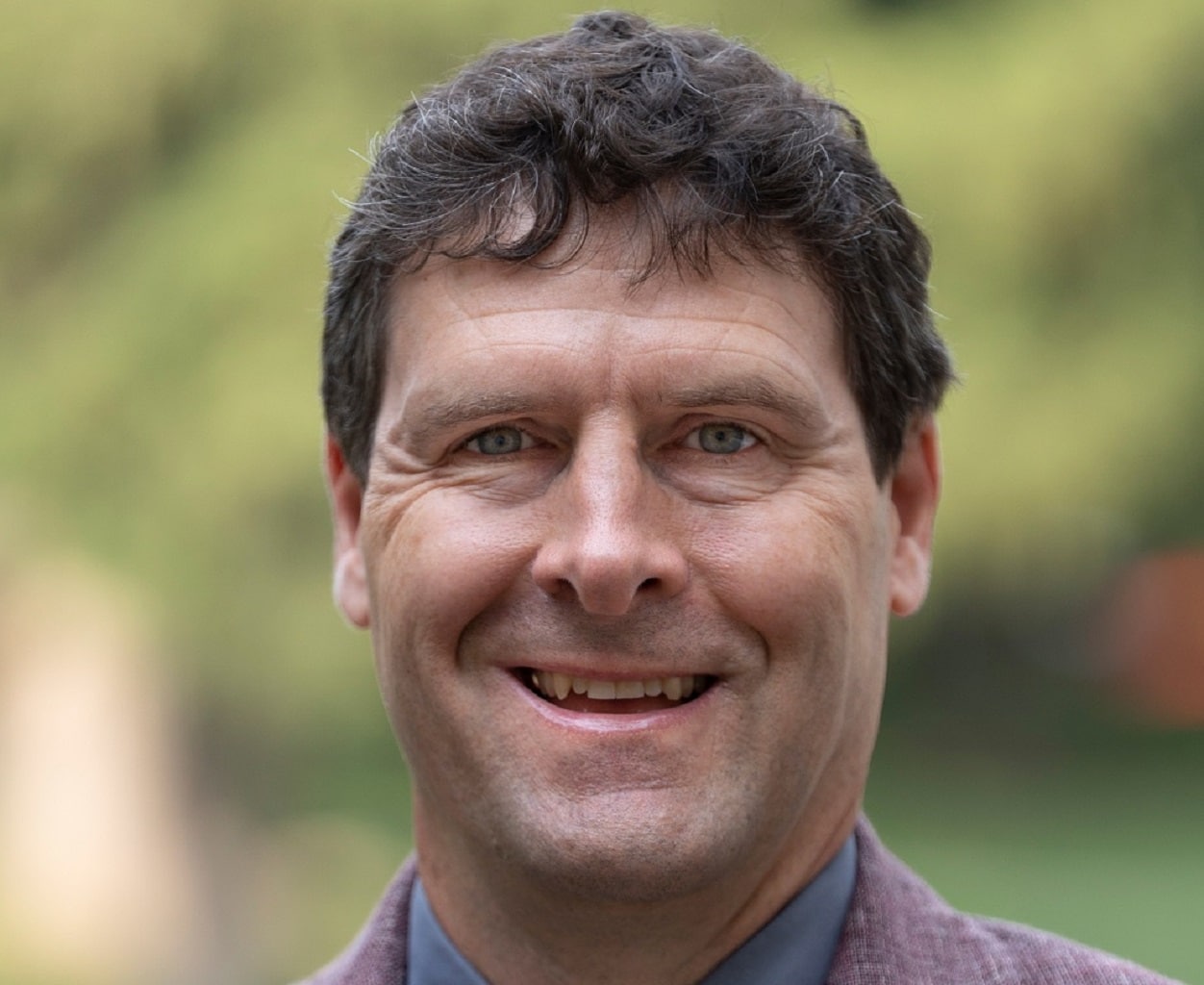
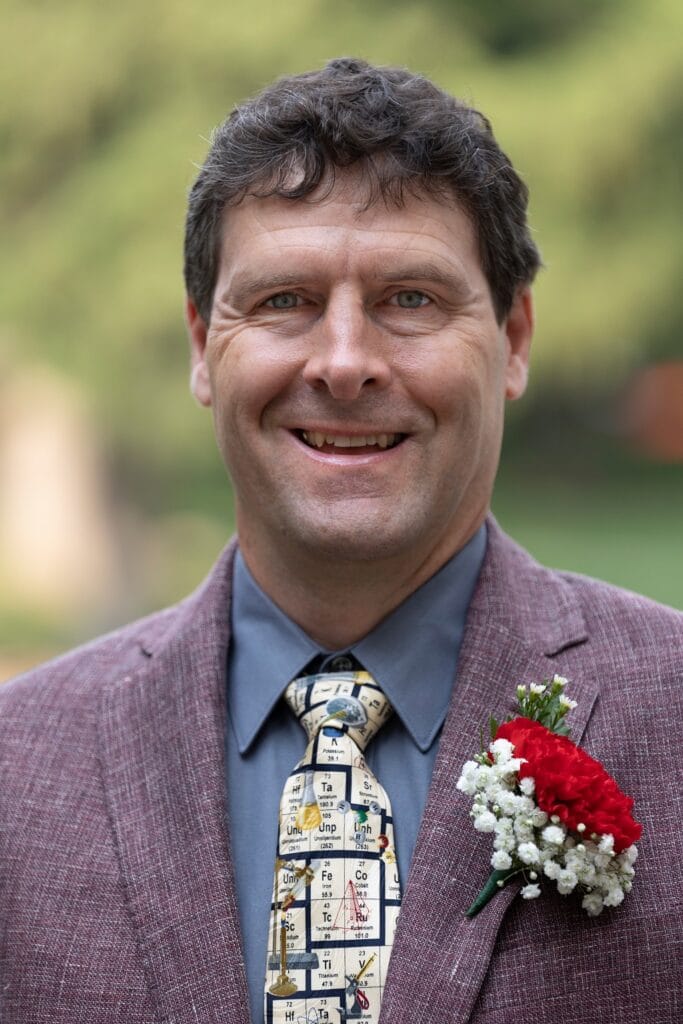
(UW-W press release, April 8) – Chancellor Dwight C. Watson announced the appointment of John Chenoweth as the next provost and vice chancellor for academic affairs at the University of Wisconsin-Whitewater.
“I am so glad that Dr. John Chenoweth has agreed to serve as provost and vice chancellor for academic affairs at UW-Whitewater. Over the years, in his numerous roles, Dr. Chenoweth has become a well-respected member of our university and the greater community,” Watson said. “He is an innovative leader who has continued the tradition of excellence that has made the College of Business and Economics one of the best business schools in the world. This experience — along with Dr. Chenoweth’s passion for UW-Whitewater and his commitment to the Wisconsin Idea — will serve our campuses well as we plan for the future of our university.”
Chenoweth currently serves as dean of the College of Business and Economics, the largest AACSB-accredited business school in Wisconsin. He is responsible for leading 184 faculty and staff in a college with more than 4,000 students enrolled in 15 bachelor’s degree programs, seven master’s degree programs and a doctoral program. His responsibilities include strategic planning, financial management of a $22 million annual budget, fundraising, external engagement, oversight of academic and co-curricular programs, facilities management, college marketing, faculty/staff evaluation and professional development.

Chenoweth will assume the role of provost on July 1.
“I am excited to take on this new role serving the broader university,” Chenoweth said. “The future is bright for both our Whitewater and Rock County campuses and I look forward to helping us deliver on our mission.”
A tenured faculty member in the Department of Information Technology and Supply Chain Management, Chenoweth is an active member of the campus community and has served in many capacities since arriving at UW-Whitewater in 2002. He received his Ed.D. in educational leadership and policy analysis from East Tennessee State University, a master’s degree in computer science from the University of South Dakota and a bachelor’s degree in computer science from Augustana University.
Watson thanked Greg Cook for his outstanding service as interim provost.
“Dr. Cook is an invaluable member of the Warhawk family with a deep understanding of this university, and an unwavering dedication to our students, faculty and staff. At a critical time for UW-Whitewater, Dr. Cook provided excellent and steady leadership as interim provost. I wish him well in his retirement.”
“I would also like to extend my appreciation for Dr. Frank Goza and Dr. Artanya Wesley for their able leadership of the search and screen committee.”
By Al Stanek Whitewater Banner volunteer staff whitewaterbanner@gmail.com
Preliminary vote totals indicate that roughly 43% of ballots cast in the City of Whitewater were cast by absentee ballot Tuesday April 6. Although not as big of a percentage as recorded in the November General Election or the Spring 2020 Presidential Primary, the lack of a major national or statewide contest made for what one long-time poll worker described as “one of the slowest elections that I have ever worked.”
Whitewater City Clerk Michele Smith’s preliminary numbers indicate that 551 of the 1272 votes cast Tuesday in the City of Whitewater were by absentee ballot. That comes close to confirming the observation by the same poll worker that nearly as many people voted by absentee as in person.
The estimated 43% absentee voting percentage compares with what a November 2020 ‘WI State Journal’ article reported as “nearly 60% absentee voting statewide” in November and roughly 75% in the Spring Presidential Primary last year. Early reports from the WI Election Commission indicate that absentee voting was in the range of roughly 30% of all votes cast statewide for this Spring election.
The decline in absentee ballots as a percentage of total ballots cast since last Spring may indicate that relatively successful COVID-19 vaccination efforts may have given many older voters greater confidence in voting in person. Although no age information is gathered at polling places, anecdotal observations by poll workers indicate a large percentage of voters generally appear to be in the 50+ age category.
Voting in Ward 5, which generally includes a larger than normal number of UW-W students, was especially low with only a preliminary total of 125 votes cast and only 2 votes separating the two candidates. Incumbent Greg Majkrzak (pronounced “my shock”) received 62 votes to challenger Neil Hicks’ 60 votes with three write-ins.
Other notable observations from Tuesday’s Whitewater election results are the fact that three of the four open Common Council seats were filled by women and the total number of female members of the seven-member 2021 Whitewater Common Council will increase from two to three as Lisa Dawsey Smith will be joining incumbents Brienne Brown and Carol McCormick who both ran unopposed. Also notable is that for the first time in 14 years the Whitewater Common Council will not include long-time Council Member and past Common Council President Patrick Singer who chose not to run for re-election to spend more time with his young family.
WHS French teacher Alecia Pasdera was one of sixteen secondary educators (grades 9-12) awarded a Fulbright grant and acceptance into the Fulbright-Hays Seminar Abroad Program to Morocco through the U.S. Department of Education, a program with applicants from all around the nation. The four-week program has been postponed until 2022, but Mademoiselle Pasdera will use this time to prepare for her curriculum project that she will work on while abroad. Participants in the program will travel throughout Morocco, learning about various aspects of life in the Maghreb region. Participants will also engage with Fulbright alumni and educators at various schools in the Moroccan education system.
Mademoiselle Pasdera is excited to experience this francophone country firsthand and bring back valuable knowledge and resources to enrich her curriculum. While she loves France, she tries to move away from the narrow viewpoint that French is solely about baguettes and the Eiffel Tower. This invaluable experience will help guide her ongoing curriculum development efforts to make her students more knowledgeable and exposed to the French-speaking world around them.