Roberta’s Art Gallery in partnership with UW Veterans Services is excited to invite you to “Fur, Feathers, and Fidelity: Military Mascots!”
“Fur, Feathers, and Fidelity: Military Mascots,” a traveling exhibit loaned from the Wisconsin Veterans Museum and in partnership with UW-Whitewater Veteran Services honors the animals that have stood faithfully beside service members throughout history. From lions and monkeys to loyal dogs, military mascots have long served as symbols of pride, unity, and morale for troops across the world. This engaging exhibit explores the history of these remarkable companions, featuring mascots dating back to the Civil War and highlighting the deep connection between humans and animals in times of service and sacrifice. The exhibit will be open to the public from Nov. 10 to Dec. 5.
A special reception will be held on Nov. 11 at 9:45 a.m. at Roberta’s Art Gallery., followed by UW-Whitewater’s Veteran’s Day Ceremony at 11 a.m. in the Hamilton Room of the University Center. Light refreshments will be served at both events. Complimentary parking will be available for the events on the 11th and if you have any questions, call the gallery at (262)472-3193 or email ucart@uww.edu.
Visitors to the gallery on days other than November 11 would need to pay for parking. A permit is required to park in university lots during events that take place Monday – Thursday. The closest lots are 12 and 12A.
8. Enter license plate, make, model and color vehicle; Click ADD
9. Follow the remaining prompts to complete registration process
NOTE: Your license plate is your permit; be sure to enter plate correctly to avoid tickets. Plates not entered correctly are subject to $5 tickets. Do not park in stalls with any type of sign. If you need to change your plate, call 262-472-1011 during business hours Mon-Fri 7:30 am to 4:30 pm.
City of Whitewater Plan & Architectural Review – Monday @ 6:00 p.m. Agenda includes public hearings: 1) Discussion and possible approval of a Conditional Use Permit for First Floor Residential Use, Certified Survey Map and Site Plan Review for Habitat for Humanity of Walworth County for Tax Parcel #: /TRA 00003. 2)Discussion and possible approval of a Conditional Use Permit for Whitewater Manufacturing located at 1108 E Bluff Road. Tax Parcel #’s /HAS 00068 and /HAS 00069A. Discussion and possible recommendation to Common Council the Park and Recreation Open Space Plan 2026 to 2031 Whitewater Municipal Building Community Room, 312 West Whitewater St. *In Person and Virtual Citizens are welcome (and encouraged) to join our webinar via computer, smart phone, or telephone. Citizen participation is welcome during topic discussion periods. Please join my meeting from your computer, tablet or smartphone. https://meet.goto.com/642032253 You can also dial in using your phone. Access Code: 642-032-253 United States: +1 (224) 501-3412 Get the app now and be ready when your first meeting starts: https://meet.goto.com/install
City of Whitewater Public Works Committee – Tuesday @ 5:15 p.m. Cravath Lakefront Room, 2nd floor 312 W. Whitewater St. *In Person and Virtual AGENDA includes Discussion and Possible Action regarding street parking restrictions on Elizabeth Street near the Middle School, Discussion and Possible Action regarding granting an easement from Parcel /OT 00037 to 328 W. Main Street (Hamilton House) for a handicap ramp, Discussion and Possible Action regarding hiring a contractor to remove blockage and debris from Whitewater Creek near 220 and 228 N. George Street. Citizens are welcome (and encouraged) to join our webinar via computer, smart phone, or telephone. Citizen participation is welcome during topic discussion periods. Please click the link below to join the webinar: https://us06web.zoom.us/j/81418993720?pwd=R2y1B13qqPZabd6g8sNm4wUlAR7FSg.1 Telephone: +1 (312) 626-6799 US Webinar ID: 814 1899 3720 Passcode: 113075
City of Whitewater Equal Opportunities Commission – Wednesday @ 5:00 p.m. Agenda includes Updates on Sister City from Miguel Aranda. Whitewater Municipal Building City Manager’s Conference Room, 312 West Whitewater St., Whitewater, WI 53190 *In Person and Virtual Citizens are welcome (and encouraged) to join our webinar via computer, smart phone, or telephone. Citizen participation is welcome during topic discussion periods. Zoom link: https://us06web.zoom.us/j/89388150362
City of Whitewater Pedestrian & Bicycle Commission – Thursday @ 5:30 p.m. – CANCELED DUE TO LACK OF QUORUM
The League of Women Voters Whitewater Area is pleased to co-sponsor the public Fair Maps Community Hearing Tour on Tuesday, November 11th, 5:30 PM at the Community Engagement Center Room 106,1260 W Main Street, Whitewater.
Activists across the state are educating the public and looking for input on an Independent Redistricting Commission (IRC) for drawing Wisconsin legislative voting districts in the future. Bill language for an IRC has been drafted, and multiple nonpartisan organizations are working together to gather public feedback.
Wisconsin has fair maps now, but they’re only temporary. Without lasting legislation ahead of the 2030 Census, Wisconsinites risk going back to a system where politicians pick their voters—and ignore the will of the people. That’s why the Coalition has written a draft proposal and is looking for public input.
The Community Hearing will include a presentation on fair maps in Wisconsin, a breakdown of the draft Independent Redistricting Commission (IRC) proposal, and time for questions and input from attendees.
For questions or further information please contact Kristen Burton, fodla333@yahoo.com.
_____________________________________
The League of Women Voters is a nonpartisan political organization that encourages informed and active participation in government, works to increase understanding of major public policy issues and influences public policy through education and advocacy. Visit our website at https://my.lwv.org/wisconsin/whitewater-area and like us on Facebook!
Symphonic Wind Ensemble – Sunday, 11/9 @ 7:30 p.m. The Young Performing Arts Center 930 W Main St, Whitewater, WI 53190 Admission $7 for adults, $4 for those age 65+ or under age 18. Advance tickets may be obtained from Ticket Services. There is a $3 surcharge for tickets purchased at the door. Immerse yourself in the powerful and rich sounds of the Symphonic Wind Ensemble, featuring UW-Whitewater’s finest wind and percussion musicians. This dynamic ensemble performs a diverse repertoire ranging from timeless classics to contemporary masterpieces, delivering vibrant and thrilling performances. Join us for an inspiring evening that showcases the passion and precision of wind ensemble music at its best.
University/Community Band – Monday, 11/10 @ 7:30 p.m. The Young Performing Arts Center 930 W Main St, Whitewater, WI 53190 Admission $7 for adults, $4 for those age 65+ or under age 18. Advance tickets may be obtained from Ticket Services. There is a $3 surcharge for tickets purchased at the door. Note that a parking permit is required; see information at the bottom of this post. Join the University/Community Band for an uplifting concert that brings together talented musicians from both campus and the local community. This diverse ensemble performs a wide range of music, from beloved classics to exciting contemporary works, creating an engaging and spirited experience for all audiences. Don’t miss this celebration of collaboration, music, and community spirit!
Jazz Ensemble II Fall Concert – Tuesday, 11/11 @ 7:30 p.m. Light Recital Hall, 950 W. Main St. Get ready for a lively evening with Jazz Ensemble II as they take the stage for their Fall concert, performing a vibrant mix of classic jazz favorites and fresh new arrangements. This talented group brings energy, swing, and soulful improvisation to every piece, celebrating the rich tradition and evolving sound of jazz. Join us for a night full of rhythm, passion, and unforgettable grooves! Admission $7 for adults, $4 for those age 65+ or under age 18. Advance tickets may be obtained from Ticket Services. There is a $3 surcharge for tickets purchased at the door. Note that a parking permit is required; see information at the bottom of this post.
Fall Combo Concert – Thursday, 11/13 @ 7:30 p.m. Light Recital Hall, 950 W. Main St. Experience the vibrant sounds of the Fall Combo Concert, featuring talented musicians performing a dynamic mix of classic jazz standards and innovative new arrangements. This intimate setting highlights the energy and spontaneity of small-group jazz, delivering an evening full of soulful improvisation and irresistible grooves. Join us for a captivating celebration of jazz’s rich heritage and exciting future! Admission $7 for adults, $4 for those age 65+ or under age 18. Advance tickets may be obtained from Ticket Services. There is a $3 surcharge for tickets purchased at the door. Note that a parking permit is required; see information at the bottom of this post.
Scrooge`s Christmas: A Christmas Carol – November 14-22 Barnett Theatre, 950 W. Main St. Playwright: Charles Dickens, adaptation by Ken Jones Director: Bruce Cohen “Scrooge’s Christmas: A Christmas Carol” directed by Bruce Cohen brings new life to Dickens’ classic tale in a fast-paced, heartfelt adaptation by Ken Jones. Ebenezer Scrooge is confronted by the ghosts of his past, present, and future, who lead him on a journey of redemption and transformation. You are sure to enjoy this fresh, theatrical spin on a timeless classic filled with humor, heart, and holiday spirit. Produced by special arrangement with Heuer Publishing LLC of Cedar Rapids, Iowa. Admission is $18 for adults, $16 for those age 65+ and $13 for under age 18. Advance tickets may be obtained from Ticket Services. There is a $3 surcharge for tickets purchased at the door. Admission for the Saturday 11/15 performance at 2 p.m. is half-price. A permit is required to park in University lots and on Prince Street north of Main Street during events that take place Monday – Thursday. See information at the bottom of this post. The closest lots are Lots 1 and 2.
Sonict Presents the Flannau Duo – Tuesday, 11/18 @ 7:30 p.m. Light Recital Hall, 950 W. Main St. The Flannau Duo ( Flens+Hannau ) is a dynamic, new music loving, tour-de-force ensemble combining piano, percussion, electronics, improvisation, and absurdism. Flannau Duo is pianist Jonathan Hannau and percussionist Kyle Flens. Jon and Kyle first performed together as part of the 2021 Thirsty Ears Festival. Shortly after they schemed to create an official identity for themselves solely out of puns and hybrid names. The duo takes pride in eclectic programming, not adhering to any specific musical aesthetic. Flannau Duo performs in the Chicago area and beyond exploring a multitude of sounds, styles, and moods from composers/artists from every musical corner. Join us for an adventurous evening celebrating bold new music and genre-blurring creativity with the Flannau Duo. Admission $7 for adults, $4 for those age 65+ or under age 18. Advance tickets may be obtained from Ticket Services. There is a $3 surcharge for tickets purchased at the door. Note that a parking permit is required; see information at the bottom of this post.
Benjamin Whitcomb & Diana Shapiro – Saturday, 11/22 @ 7:30 p.m. Light Recital Hall, 950 W. Main St. Join cellist Benjamin Whitcomb and pianist Diana Shapiro for an evening of stunning masterpieces by Beethoven and Shostakovich. Experience the profound emotion and timeless beauty of these iconic composers brought to life through virtuosic performance and deep musical connection. Don’t miss this captivating concert filled with passion and artistry. Admission $7 for adults, $4 for those age 65+ or under age 18. Advance tickets may be obtained from Ticket Services. There is a $3 surcharge for tickets purchased at the door.
Parking information
Parking: A permit is required to park in University lots and on Prince Street north of Main Street during events that take place Monday – Thursday. The closest lots are Lots 1 and 2. Permits may be purchased at the kiosk at the Visitors’ Center on Starin Road. To purchase a permit online, visit uww.aimsparking.com and follow these steps:
1. Select: Purchase UW-W Special Event Permits
2. Agree to Terms of Service
3. Select Event Type: CENTER OF THE ARTS
4. Select the event you are attending
5. Select Permit Type: EVENT GUEST
6. Dates will automatically fill in
7. Click Add Vehicle
8. Enter license plate, make, model and color vehicle; Click ADD
9. Follow the remaining prompts to complete registration process
NOTE: Your license plate is your permit; be sure to enter plate correctly to avoid tickets. Plates not entered correctly are subject to $5 tickets. Do not park in stalls with any type of sign. If you need to change your plate, call 262-472-1011 during business hours Mon-Fri 7:30 am to 4:30 pm.
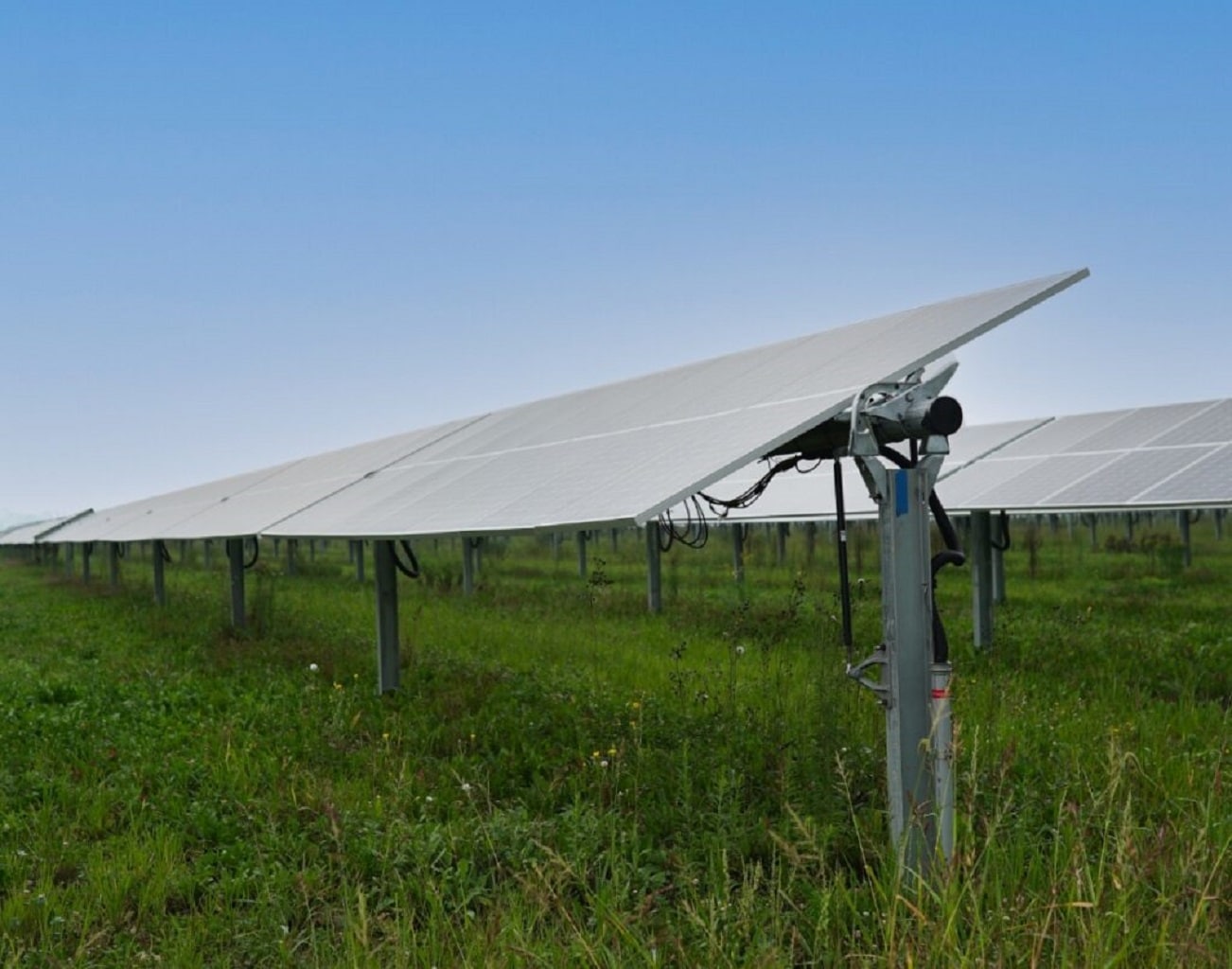
As was previously announced on The Banner, the Wisconsin Public Service Commission voted on September 25, 2025 to approve the application of Whitewater Solar to construct a massive “solar farm” to the east of the city, with connection to the cogeneration plant owned by We Energies, located within the city limits on County U. The developers indicate that the 180-megawatt project will be able to generate enough electricity to power more than 21,000 homes. On November 6, 2025 the Wisconsin Public Service Commission issued the final decision documenting the approval.
Wisconsin Public Radio published the following comments in an online article:.
“Clean energy and environmental groups framed the approvals as wins for the renewable energy sector. ‘Renewable energy generally is facing a lot of threats nationally. Our federal government is taking a lot of creative paths to putting up hurdles for renewables,’ said Chelsea Chandler, climate, energy and air program director for the nonprofit Clean Wisconsin. ‘It’s encouraging to see that projects are still getting permitted here in Wisconsin.’….
The Whitewater Solar project is being developed by Whitewater Solar LLC, an affiliate of New York-based DESRI. It’s a spinoff from the D.E. Shaw group, an investment and technology development firm. The developer estimates the project will create hundreds of local construction jobs.
In a statement, Aileen Kenney, principal of project management and development at DESRI, said the developer is pleased that the project received approval from utility regulators.
“(DESRI) looks forward to working with the communities in Jefferson and Walworth Counties further as the development is finalized and the project is constructed,” the statement reads.
In its application to the PSC, the developer said it hoped to begin construction in April 2026 and complete the project by February 2028. [End of quotes from Wisconsin Public Radio.]
Opponents to the project have cited concerns including the effect on neighboring landowners and on the nearby Kettle Moraine State Forest and Ice Age Trail. This article includes many of the objections. The opponents are still continuing their efforts to overturn the decision, with a twenty-day deadline from November 6 to file an appeal. Contributions towards legal fees are being accepted at the GoFundMe page with the QR code shown below. Thus far $1400 has been raised towards the initial $20,000 goal. The page indicates that “if the lawyers tell us we cannot win, we will not file, and we will return all donor funds.” Yvette Loiselle, one of the intervenors, told The Banner “We need residents to stand up and help us now!!!! PROTECT THE FARMLAND. SUPPORT YOUR NEIGHBOR. SAVE THE KETTLE!”
The City Market, having taken a brief break after the conclusion of the outdoor season, started its indoor season on November 8 at Cravath Lakefront Community Center, 9 a.m. to noon. The market typically features a variety of fresh and prepared food, handmade items, etc.
The Whitewater High School Student Council is proud to announce our first-ever Whitewater Cares Community Food Drive! The Whitewater community has a long-standing tradition of coming together to support one another in times of need, and this event embodies that spirit of generosity and care. All event details can be found on the attached flyer, and a link to sign up is also included below. If you have any questions or concerns, please don’t hesitate to contact cluebke@wwusd.org. We appreciate your support and look forward to making a positive impact together!
A wayward school bus driver (Matthew McConaughey) and a dedicated schoolteacher (America Ferrera) battle to save 22 children from a terrifying inferno, the 2018 Camp Fire, in Paradise, CA, that state’s deadliest wildfire in history. A true story.
Seniors in the Park is located in Starin Park, 504 W. Starin Road. Although there is no charge to attend, regular participants are encouraged to join Seniors in the Park. The annual fee for residents of the Whitewater Unified School District is $10 and non-residents is $15. The funds support about half of the cost of our front desk staff person for 15 hours per week. The rest comes out of our fundraising monies. If you cannot afford the fee, we have a fund that will cover it for you. Fees are accepted at the Starin Park Community Building or online at https://schedulesplus.com/wwtr/kiosk/
Updated 11/7/25 @ 8:55 p.m. to add to the editor’s note that the Trump administration has appealed to the Supreme Court the order to release SNAP funds, even though Wisconsin’s members have already received their funds if they were due.
FoodShare: News for Members
November FoodShare benefits update: Full benefits are now available
Full November FoodShare benefits are now available on all QUEST cards. FoodShare members can check their FoodShare balance by calling QUEST Card Services at 877-415-5164.
FoodShare members will get full benefits instead of partial benefits because of lawsuits brought against the federal government by Wisconsin and other states, municipalities, and nonprofits.
Updates about other state programs
WIC benefits will be available throughout the month of November. You can continue to use your WIC benefits, attend WIC appointments, and do not need to take any action. Contact your local WIC agency with any questions.
Other state programs like BadgerCare Plus, Medicaid, and SeniorCare are not impacted by the shutdown. Members still have coverage to get the care and services they need. For updates, visit the Medicaid News page.
Changes to FoodShare work requirement start to take effect in Wisconsin
When the ‘One Big Beautiful Bill Act’ was signed into law in July, it included an expansion of the federal work requirement for some FoodShare members.
It expanded the age range of members affected from 18-54, to 18-64.
It added parents whose only children at home are 14 and older.
Your local agency will check if you need to meet the work requirement at your next interview. If you need to meet the work requirement, you will get a letter in the mail after your interview from the Wisconsin Department of Health Services (DHS).
Editor’s note: This announcement is from the Wisconsin Department of Health Services website. FoodShare is the name for Wisconsin’s Supplemental Nutrition Assistance Program [SNAP]. Per the PBS Newshour on Friday evening, some states have still not released full SNAP funding to their recipients. According to this news release, Gov. Evers made an executive decision to release the funds on Thursday night. As of Friday evening, the Trump administration has appealed to the Supreme Court the lower court order requiring the release of SNAP funding. The president has indicated that states that issue SNAP funding “prematurely” will not be reimbursed by the federal government. Hopefully individual members could not be subject to having these funds recouped.
Gov. Evers Appoints Samuel Berg to the Walworth County Circuit Court
Gov. Tony Evers announced today his appointment of Samuel Berg to the Walworth County Circuit Court – Branch 4. The appointment will fill the vacancy being created by Judge David M. Reddy’s retirement. Berg will complete a term ending July 31, 2027.
“Samuel Berg’s breadth of experience and commitment to the local community are important qualities for any judge, and I look forward to him continuing to serve Walworth County,” said Gov. Evers.
Since October 2024, Berg has been a senior associate at Gardiner Koch Weisberg & Wrona in Lake Geneva. He handles a general practice, including civil litigation, criminal defense, probate and guardianship, personal injury, estate planning, real estate, contract review, and employment law. Previously, he spent four years as an assistant district attorney in the Walworth County District Attorney’s Office. Earlier in his career, he served as an assistant attorney general in the civil litigation unit of the Wisconsin Department of Justice and as a law clerk for Judge William C. Griesbach of the United States District Court for the Eastern District of Wisconsin in Green Bay.
“Samuel Berg brings to the bench qualities every community hopes for in its judiciary—intelligence, patience, fairness, and an even temperament,” said Walworth County Circuit Court Judge David Reddy. “I am confident he will show respect for everyone who appears before him, and Walworth County will be well served by his leadership.”
“Attorney Samuel Berg will serve Walworth County well as judge,” said Walworth County District Attorney Zeke Wiedenfeld. “He is smart and has a tremendous work ethic. During his four years of service as an assistant district attorney, he handled a high-volume caseload and helped crime victims navigate the court system.”
Berg grew up in Walworth County and lives in Williams Bay with his family. He is a graduate of the University of Wisconsin-Madison and the Marquette University Law School.
“I am very grateful to be able to serve as a judge in Walworth County,” said Berg. “As a judge, I will use my experience in federal, state, and local public service, and in private practice, to promote the common good, and I will be committed to justice, impartiality, and the protection of the rights of individuals and of our communities.”
Editor’s note: This press release was received from the governor’s office.