


The Hidden Command Center
by Neal K. Shah, MD
Last week I was talking with a daughter caring for her father with dementia, and she said something that stayed with me. “I don’t think people understand what I actually do. They see the visits, but they don’t see the command center.”
I had never heard it described that way before, but immediately I knew what she meant, having been there myself. On the outside, caregiving often looks like a series of tasks: driving to a doctor’s appointment, picking up medication, making dinner, sitting together, helping with a shower, or making sure someone gets to bed safely.
But underneath all of that, is something much larger. The doctor’s appointment that has to be scheduled around work. The medication refill that has to be requested before the weekend. The insurance form that no one understands needs to be filled out. The sibling text thread that has to be managed delicately. The refrigerator has to be checked. The behavior change that may or may not mean a urinary tract infection. The care aide who canceled. The bill that looks suspicious. The parent who insists everything is fine, when everyone can see it is not.
I think this is the hidden command center of caregiving. Most people underestimate caregiving because they only count the visible tasks, but not the constant mental inventory that’s running in the background. They do not count the worrying, the anticipating, the double-checking, the emotional translation, or the quiet responsibility of being the person who notices when something has changed.
In my work helping thousands of families caring for aging parents and loved ones with dementia, I have come to believe this is one of the most misunderstood parts of care. The hardest part is often not any single task, errand or appointment, but in becoming the person who holds the entire picture in your head.
Every family has someone doing this work. Sometimes it is a daughter. Sometimes it is a spouse. Sometimes it is the sibling who lives closest. Sometimes it is the one who simply is the most responsible, so the responsibility keeps finding them.
I think America does not have a caregiving crisis because families do not care enough. We have a caregiving crisis because we built a society that assumes someone is quietly running the hidden command center for free.
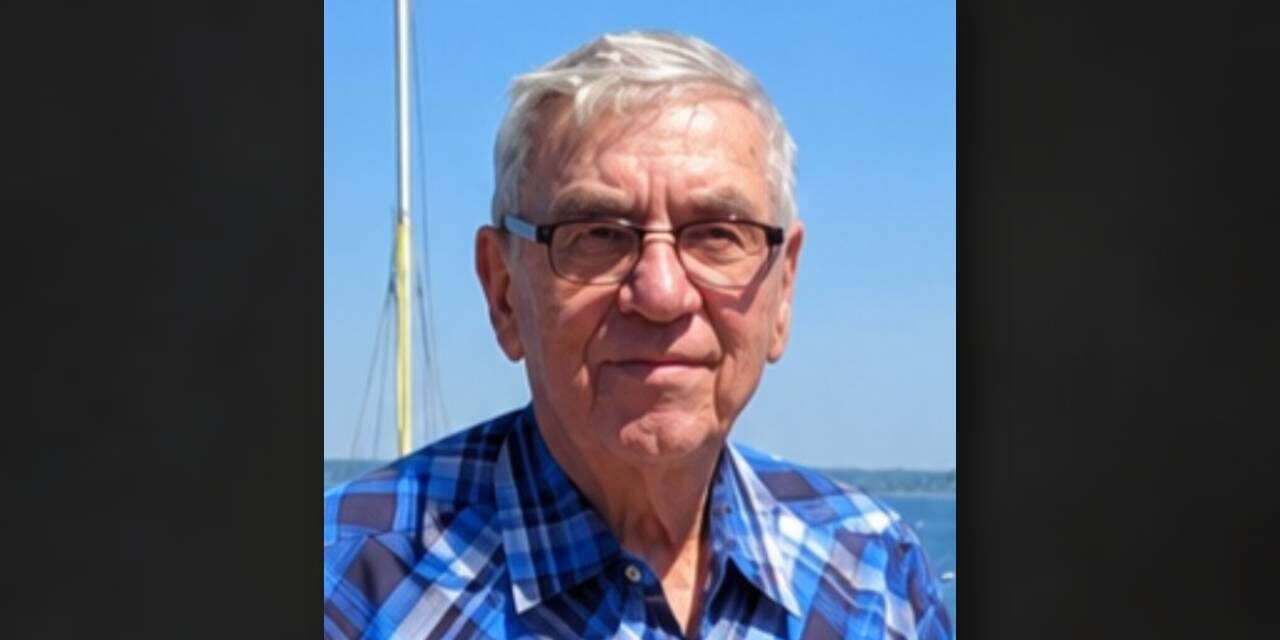
Neal K. Shah, MD, is a healthcare researcher and CEO of CareYaya Health Technologies.
For more info https://www.caringinfo.org/planning/caregiving/caregiver-duties-and-activities/
This article is submitted by Dementia Friendly Community Initiative, a program of Whitewater Seniors in the Park to help educate the community about dementia and to support patients and their care partners. New committee members are very welcome! Call Jennifer to volunteer
262 473 0535 jjackson@whitewater-wi.gov