Whitewater VFW Post 5470 is having a veterans’ lunch/get together at Rosa’s Pizzeria, 180 W. Main Street in Whitewater on October 18th from 11:00-1:00. Pizza and ice cream is provided by the Whitewater VFW Post 5470. All veterans in the area are invited.
Garage sale 1149 E Bluff Rd October 17-19 8:00 a.m. – 6:00 p.m.
Move-in sale with a couple of antique tables, chairs, mirrors, lamps, a chest, and wall decor. Also for sale are some general baby items, kitchen items, and a Hamilton Beach bread maker. If not sold this week items will be going to Goodwill so don’t miss your chance.
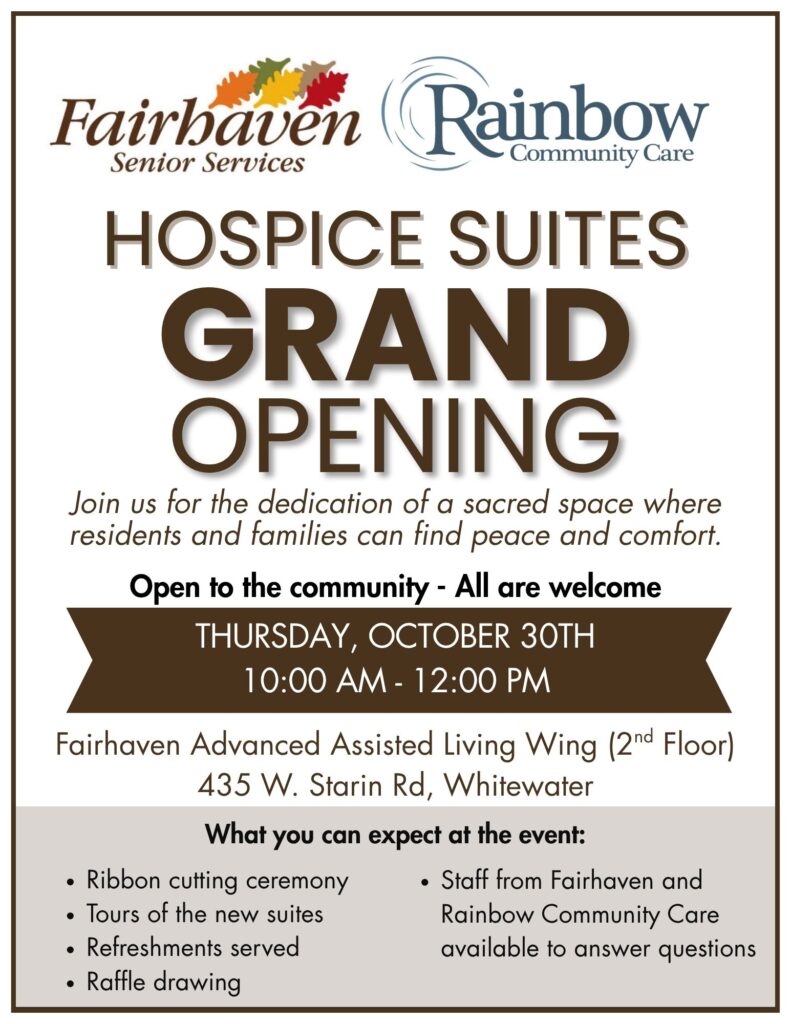
Fairhaven and Rainbow Partner to Open Dedicated Hospice Suites
Fairhaven Senior Services and Rainbow Community Care are proud to announce a new partnership to provide dedicated hospice suites for patients and families on the Fairhaven campus.
The two newly renovated suites, located on Fairhaven’s Advanced Assisted Living Wing (2nd Floor), are designed to offer compassionate and expert care in a peaceful, home-like setting. This collaboration addresses a critical need in the Whitewater and surrounding communities, providing a sacred space where residents and their families can spend quality time together during a challenging phase of life.
Each hospice suite has been thoughtfully customized to create a comforting atmosphere that supports emotional, spiritual, and physical well-being. The space is furnished with a blend of Fairhaven pieces and new furnishings from Rainbow Community Care. Beyond the physical space, this partnership will also bring educational programming to residents and the broader community, creating opportunities for families to better understand how to live well as we age and become seriously ill.
A ribbon-cutting ceremony and grand opening for the suites is scheduled for Thursday, October 30, from 10:00 a.m. to 12:00 p.m. in the West Wing (2nd Floor) at Fairhaven Senior Services at 435 W. Starin Road in Whitewater.
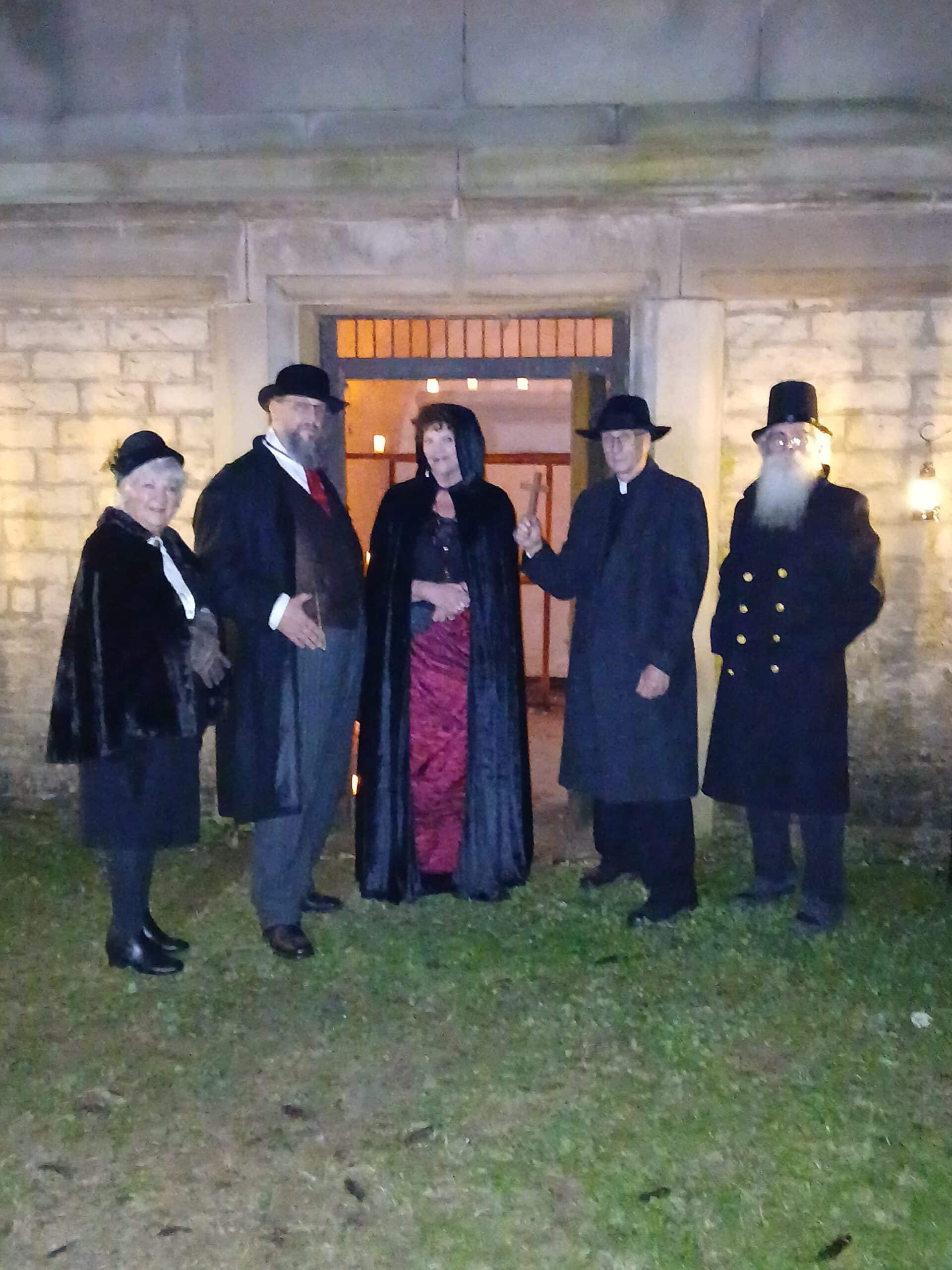
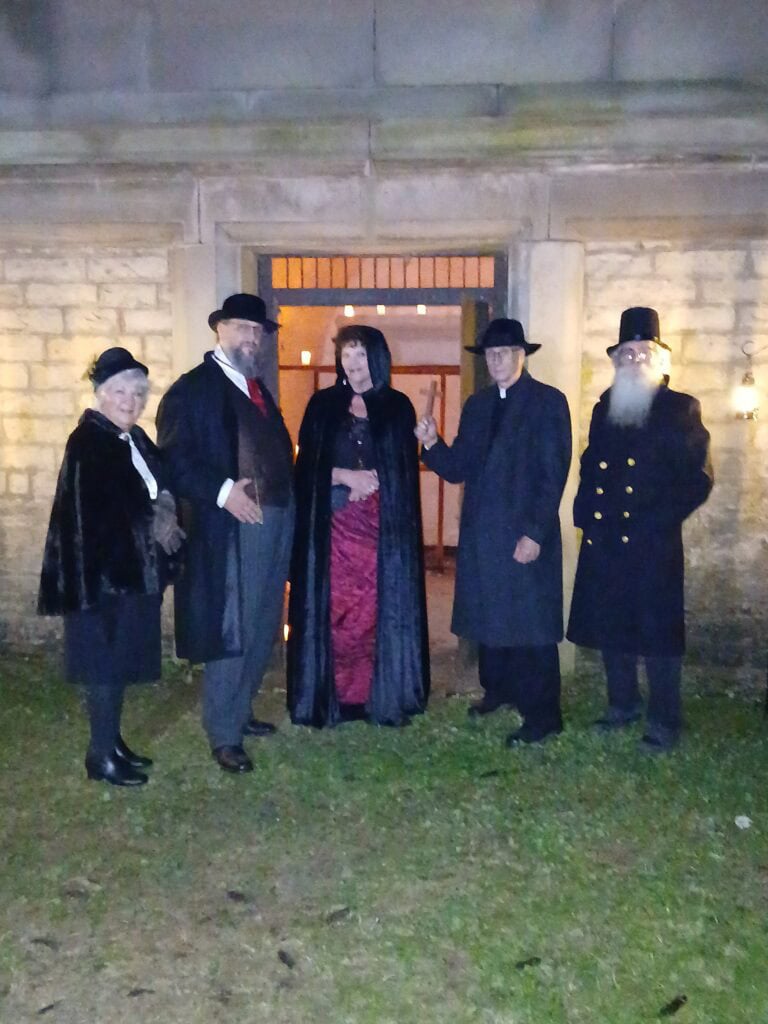
Pictured at Hillside Cemetery Crypt: L -R are Jeanine Fassl, as Myrtle Shaude (aka The Poison Widow), Mike Arroyo, as Zerah Mead, Dana Stricker, as Mary Worth, Dave Saalsaa, committee member and Steve Watson, Water Tower narrator.
Jeanine Fassl writes “Another great weekend for the Whitewater Chamber of Commerce Spirt Tour. Perfect weather for the sold-out bus and walking tours.”
Our thanks to Jeanine Fassl for sharing this fine photo.
LWV Whitewater Area Program on The Art of Healing: Exploring Mental Well-Being Through Creative Expression
The League of Women Voters Whitewater Area and the Whitewater Arts Alliance are pleased to announce a public program on The Art of Healing: Exploring Mental Well-Being Through Creative Expression on Thursday, October 16th, 6:30PM – 8:00PM at the Cultural Arts Center – Whitewater Arts Alliance, 902 W Main Street, Whitewater. Overflow parking is available in the First English Lutheran Church parking lot, 401 W Main Street, and on Park Street.
The program will be a panel discussion on the profound connection between creative expression and mental wellness, moving beyond the traditional framework of therapy to explore the arts as a powerful tool for resilience, healing, and self-discovery. A diverse panel of experts will share their unique perspectives on how engaging in the arts can foster emotional processing and improve overall mental health.
Panelists include: Kristen Monday, pre-K-12th-grade art teacher and certified art therapist; James Olm, composer, lyricist, and librettist; Verónica Soria-Martínez, UWW Assistant Professor of Art Education; Christian Ellenwood, composer, clarinetist, and UWW Professor of Music; Professor Emerita Barbara Grubel, recently retired from 22 years of dedicated service in the UWW Theatre/Dance Department; and, Caleb Flack, Assistant Professor in the School Psychology Graduate Program within the UWW Department of Psychology.
Please join us as the panelists share the therapeutic benefits of creative expression, explore the science behind these benefits, share real-world applications, and discuss how to make the arts accessible to a wider audience for personal and community healing.
You do not need to be a League member to attend and refreshments will be served. For questions or further information please contact Dwight C. Watson, dwight.watsondcw@gmail.com.
The League of Women Voters is a nonpartisan political organization that encourages informed and active participation in government, works to increase understanding of major public policy issues and influences public policy through education and advocacy. Visit our website at https://my.lwv.org/wisconsin/whitewater-area and like us on Facebook.
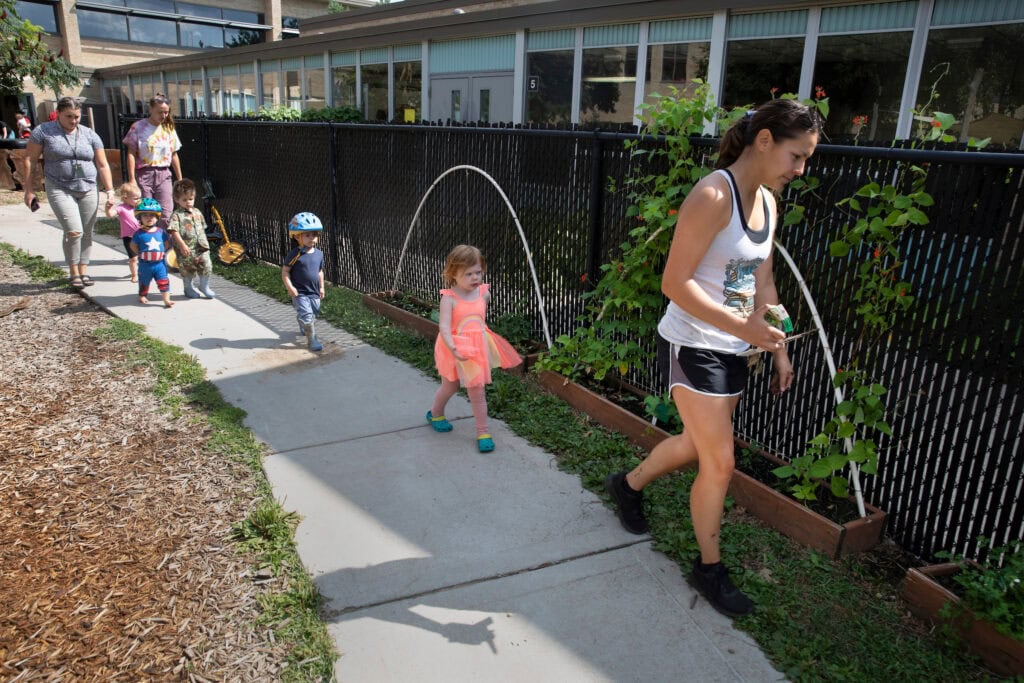
Julia Schultz leads children to a garden box where they will plant beans. (UW/Whitewater photo/Craig Schreiner)
The largest single gift in the history of the city of Whitewater will fund a high-quality childcare center that is expected to expand access to childcare for hundreds of families in southeastern Wisconsin.
The $10 million donation from former residents Billie and Steve Moksnes to the Whitewater Community Foundation is designated to support the planned center, in a location to be determined, that will provide at least 100 additional spots for children with a focus on a high-quality curriculum, exceptional pay and benefits for staff, strong support for the families served, and English as a second language (ESL) support for children in a community where an estimated 40% of families in the school district are Hispanic/Latino.
“Billie and I are thrilled to be able to provide a life-changing educational opportunity for children at the earliest stage of their development,” said Steve Moksnes. “In approaching this gift, we asked ourselves, what is the best way to prepare children for the life ahead of them? Based on research, we are convinced that the first five years are the most critical time to make a positive impact on a child’s life and that early childhood education and care play an important role. A high-quality early childhood education center like this one has the real potential to actually raise the arc of a child’s entire life — with lifelong benefits to them, to their family and to the community as a whole.
“Our goal is that this gift galvanizes additional financing — from an array of government funding sources, business support, and private foundation funding — to make this high-impact program truly affordable for families and businesses in the Whitewater area,” Moksnes said.
Billie and Steve Moksnes
Before moving from Whitewater in the 1990s, Billie and Steve Moksnes were longtime residents and business owners of Accurate, formerly Moksnes Manufacturing Co., before it was sold to Schenck Process Group in 1994 and most recently purchased by Coperion. They were meaningfully involved in economic development in the community, with Billie Moksnes serving on the Community Development Authority and the board of the UW-Whitewater Foundation, Inc., and both volunteered to support newer families in the area, teaching ESL among other efforts. Those experiences led them to focus their gift on early childhood education and care, knowing it could both play a critical role in the educational and social-emotional development of area children and help area businesses recruit more workers.
The Whitewater Early Childhood Education and Childcare Center project is a collaboration of the University of Wisconsin-Whitewater, the Whitewater Unified School District, and the City of Whitewater. Since it began planning in earnest in 2024, the project has been working closely with the Children’s Center, a high-quality facility licensed for 100 children on the campus of the university, which was founded more than 150 years ago as a teacher’s college, graduates the most licensed teachers in the state, and has a national reputation in early childhood education, ESL/bilingual education and special education.
“This is a bold vision for the Whitewater community. The center will be a living learning laboratory, similar to the Children’s Center, and one that expands its capacity to meet regional early childcare needs as it engages faculty, staff and students in community-based learning,” said University of Wisconsin-Whitewater Chancellor Corey A. King. “There will be valuable internship opportunities for our college students — ensuring a pipeline of professionals in a high-demand field. In addition, the center will allow the university to better attract world-class talent to our community with the promise of high-quality education that is continuous from birth through higher education.”
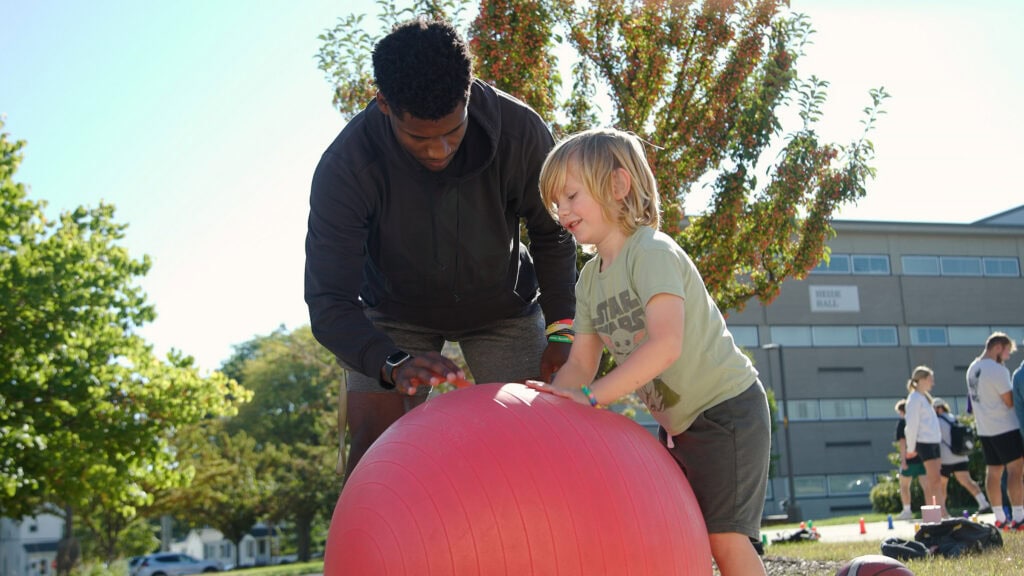
Shelvin Garrett II, a physical education major from Beloit, engages with children outside the Children’s Center as a part of the Teaching PE course on Sept. 25, 2024. (UW-Whitewater Photo/Kyle Winter)
“Collaboration will deepen between the Whitewater Unified School District and the university, especially in our shared efforts of expanding literacy, the science of reading, early childhood education and care, and ESL/bilingual learning.”
Whitewater is located in the northwestern corner of Walworth County, with portions of the community in neighboring Jefferson and Rock counties. A Walworth County child care study prepared in 2022 by the Fiscal and Economic Research Center at UW-Whitewater on behalf of the Walworth County Economic Development Authority indicated that the county is a childcare desert, with the families of more than 2,500 children in the county unable to reasonably access care. The annual economic impact of that gap was estimated to be more than $77 million.
“This early childhood education and care center will help fill that gap and grow our reputation as a family-centric community,” said Whitewater City Manager John Weidl. “Most people looking to buy a home or work in Whitewater have children, and they expect a high-quality education — whether it’s childcare or the quality of our public schools.
“And it’s an important workforce issue. Businesses looking to establish or expand operations in Whitewater tell us that a lack of access to high-quality childcare is what currently prevents them from considering Whitewater. This center will allow us to change that dynamic and showcase the city as one that excels in childcare opportunities from birth on.”
To accommodate the expected demand for care, the center will work closely with area businesses to assess their needs, including coverage beyond traditional hours of care, and to ensure their workforces can fully make use of the opportunity.
The Moksnes gift was made in September 2025 to the Whitewater Community Foundation, which will oversee the investment of the principal and provide an estimated $500,000 a year to the childcare center to support its operations as long as the center achieves and retains a rating of five stars with the Wisconsin Department of Children and Families and “accreditation+” from the National Association for the Education of Young Children.
“We are so appreciative of this generous major gift to the Whitewater Community Foundation,” said Kat Mawhinney, who serves as co-president of the foundation along with Therese Kennedy. “This is a tremendous and unprecedented contribution to our community, and it will make a significant difference in expanding educational opportunities.”
Led by co-chairs Kristine Zaballos and Thayer Coburn, the Whitewater ECEC Center, which will establish as a 501c3 nonprofit, will closely coordinate efforts with the school district to ensure transportation that lessens the burden on area families and a curriculum that prepares the children to excel in school. In close collaboration with both the Children’s Center and the district, the curriculum’s focus will be on playful learning with intent, and developing the whole child. The goal is for each child to learn to control their emotions, interact appropriately with other children, learn how to solve problems and prepare for kindergarten.
“We are eager to be a part of the donors’ vision and are prepared to help champion the goal that all children will be school ready when they enter our doors,” said Whitewater Unified School District Superintendent Samuel Karns. “We also uphold the center’s mission to work with other childcare entities in the community to lift all children and set them up for success in our district.
“We are excited to be working in partnership with the city and the university on this amazing project,” said Karns. “The district looks forward to exploring ways to collaborate on curriculum and resources for the benefit of all children in the community.”
For more information about the Whitewater ECEC Center project, contact co-chairs Kristine Zaballos and Thayer Coburn at WhitewaterECEC@gmail.com or visit whitewaterecec.com
Editor’s note: The above press release was provided by the Whitewater ECEC Center project. The image on the homepage is a UW-Whitewater photo/Craig Schreiner.
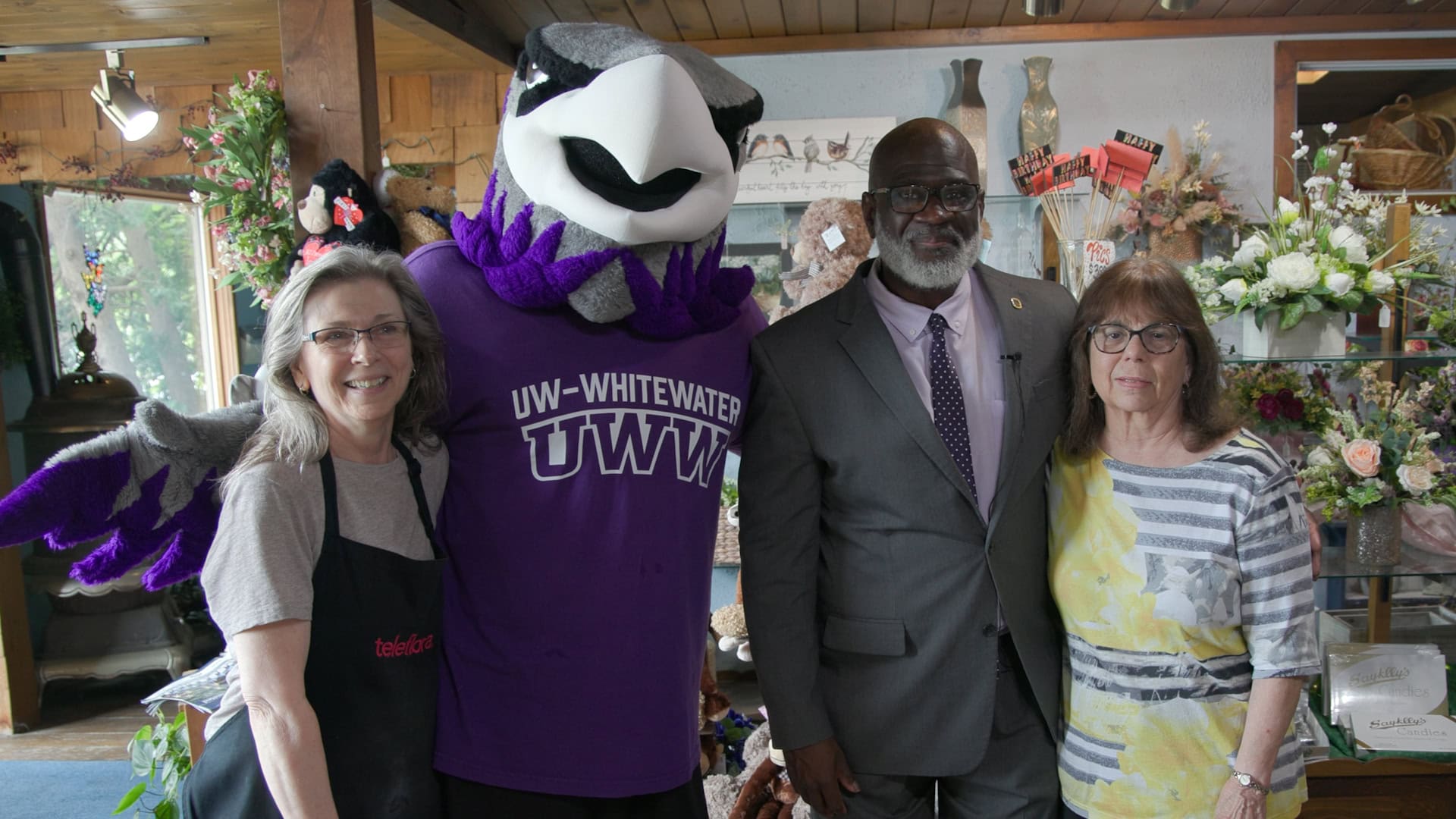
October is a month filled with fall vibes, and there’s a place in Whitewater that has you covered with beautiful autumn flower selections and friendly service. UW-Whitewater’s Mascot on Main campaign with Chancellor Corey King and Willie Warhawk recently highlighted Floral Villa, owned by Pam Kraus, a UW-Whitewater graduate who kept her talent and expertise close to the university. (P.S. — If you’re looking for a local fright this month, Kraus also owns Shockwave Haunts in Whitewater, which runs Friday and Saturday nights through November 1!)
Event Dedicated to Destigmatizing Conversations About Death and End-of-Life Planning
The Aging and Disability Resource Center (ADRC) of Walworth County, in collaboration with the East Troy Area Intergenerational Community Center and Citizens Bank of Mukwonago, is pleased to present Living with Death: A Community Conversation. This free social and educational event is designed to foster open dialogue and reduce the stigma surrounding death and end-of-life planning.
The event will take place on Saturday, October 25, 2025, from 10 a.m. to 3 p.m. at the East Troy Area Intergenerational Community Center, located at 2043 Division Street, Door #7, East Troy, Wisconsin.
Attendees will have the opportunity to engage in meaningful conversations about death, dying, and preparation for the end of life. Keynote speaker, Dr. Janet McCord, a renowned expert in thanatology—the study of death—will lead the discussion. Additional presentations will be offered by a local death doula, the Walworth County Medical Examiner’s Office, and a spokesperson from Hazel Ridge Cemetery.
A dedicated vendor area will feature organizations that provide services related to end-of-life care, including hospice agencies, funeral homes, organ, eye, and tissue donation programs, and more.
“Death, like birth, is a life event we all experience,” says Jake Sawyers, Dementia Care Specialist at the ADRC. “While we celebrate and prepare for birth, our society often avoids conversations about death. This event is about changing that narrative—helping people prepare and feel more comfortable discussing end-of-life matters.”
To register or learn more, please call 262-741-3273 or email Jake Sawyers at jsawyers@co.walworth.wi.us.
The Whitewater High School Alumni Association invites all WHS Alumni to attend its Annual Meeting on Saturday, October 18 at 12:00 p.m. at Jessica’s Family Restaurant in Whitewater.
This yearly gathering is a chance for alumni to reconnect, share updates, and learn about ongoing projects and opportunities to support WHS Alumni scholarships. The group also welcomes anyone interested in helping with future Alumni fundraisers or serving on the Scholarship Committee.
Attendees are asked to RSVP by Facebook Messenger to help plan seating and lunch arrangements.
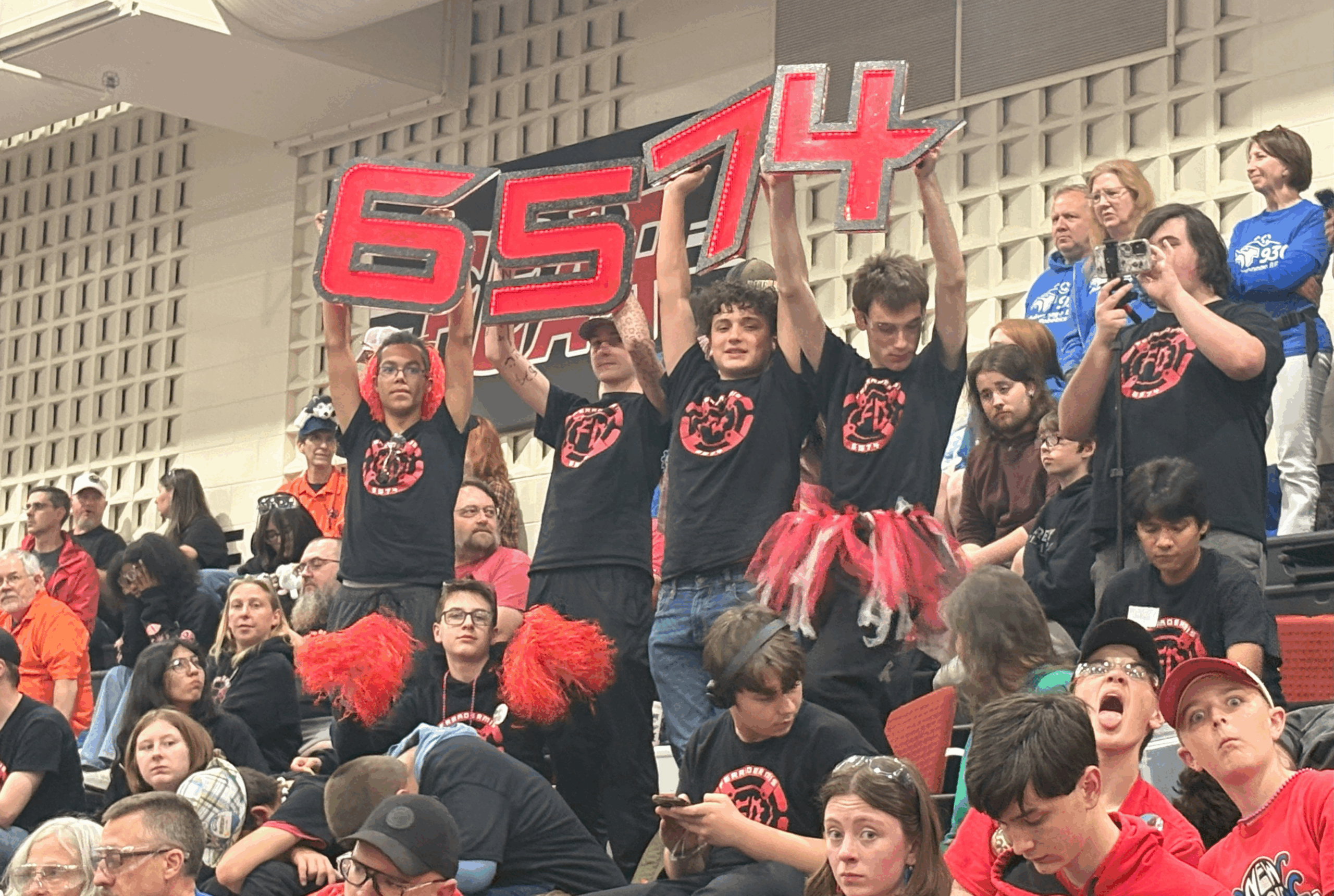
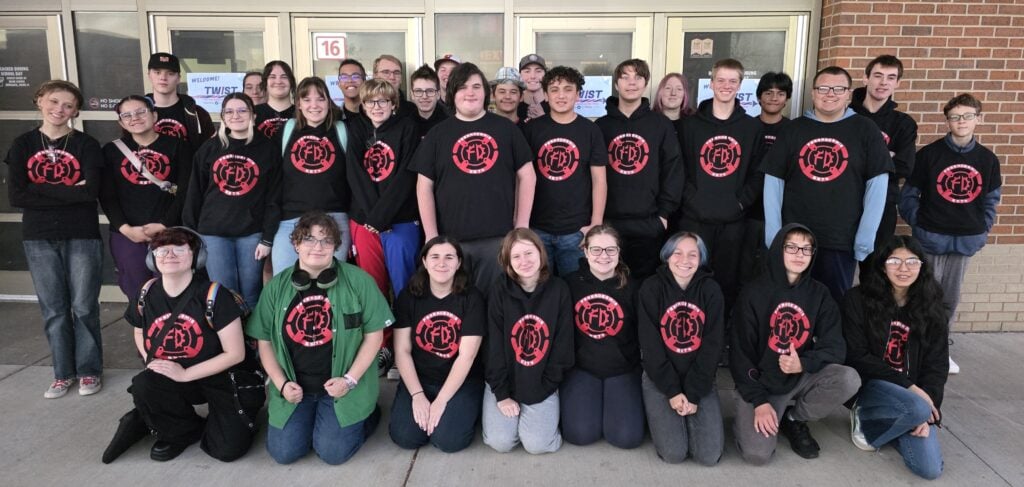
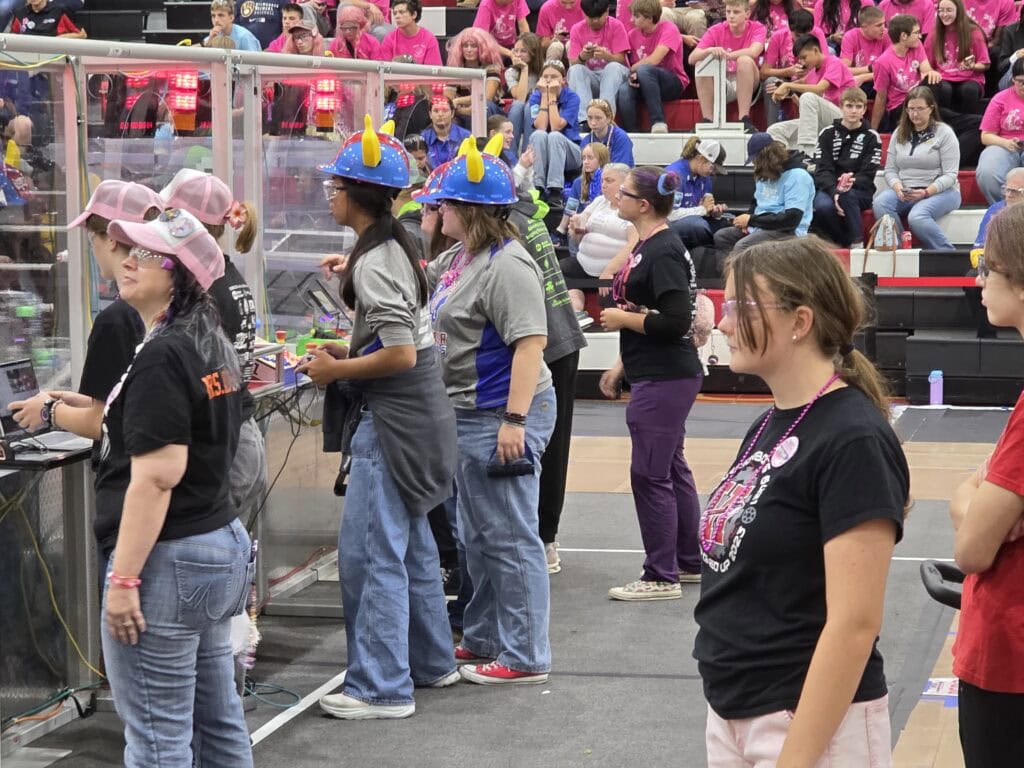
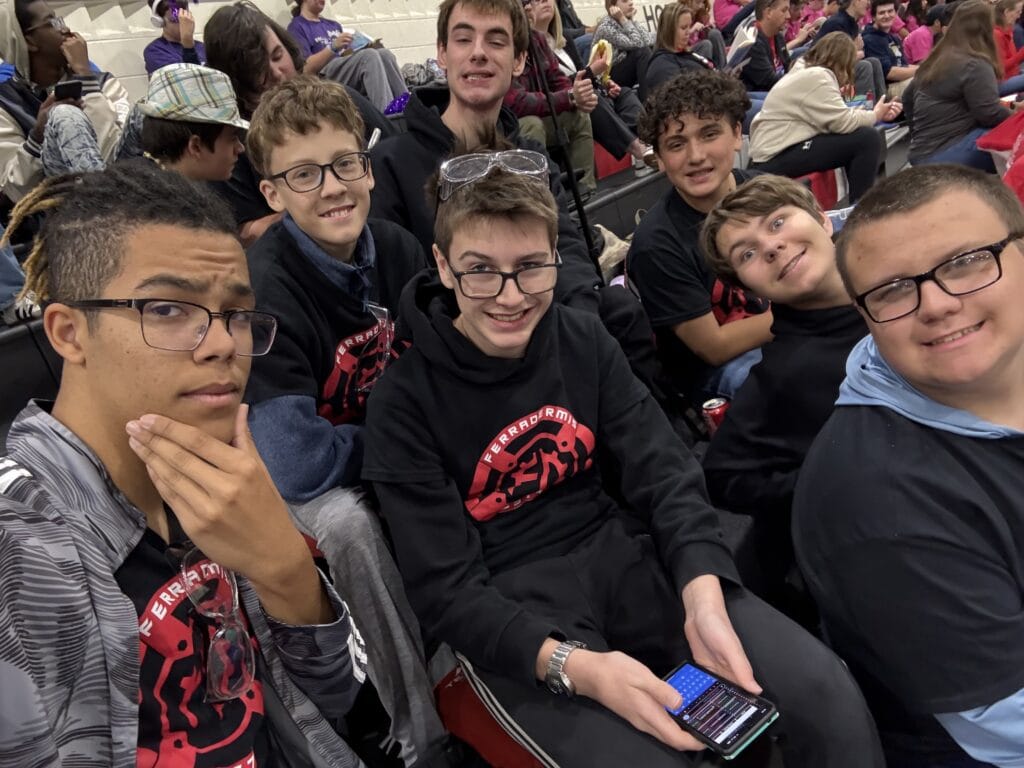
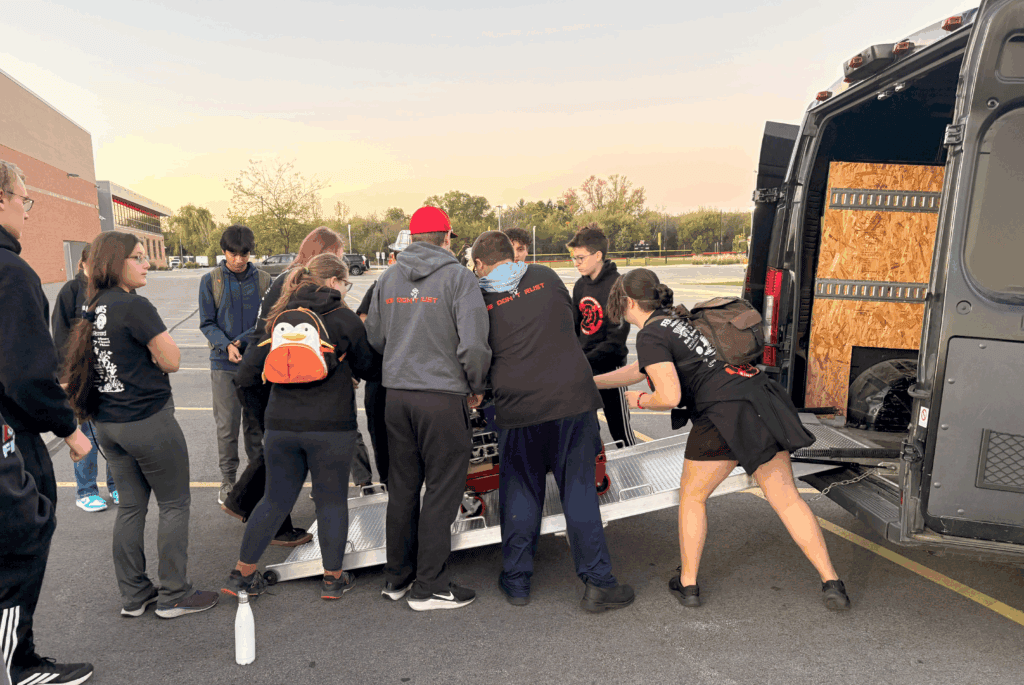
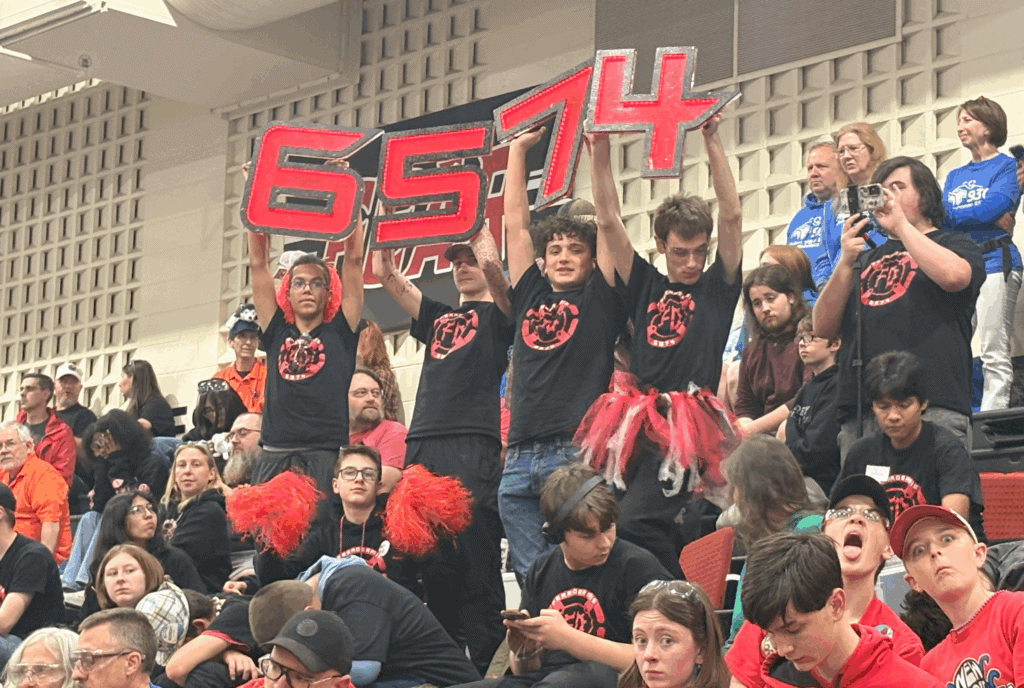
On Saturday, October 11, 32 members of Ferradermis traveled to Muskego High School for the third-annual TWIST FIRST Robotics Offseason Event hosted by Team 6421 WarriorBots.
Ferradermis is 38 members strong in 2025-2026. 32 students were able to travel to TWIST.
TWIST (Together Women in STEM Thrive) is a unique competition meant to help girls step into roles on their robotics teams that they might not otherwise experience, and the event implements one rule to do so – the drive team must be entirely female. Male team members may participate in any other role. Ferradermis has always had a strong female presence and continues to do so in the 2025-2026 school year with 17 females on the team, many more than most teams in the state.
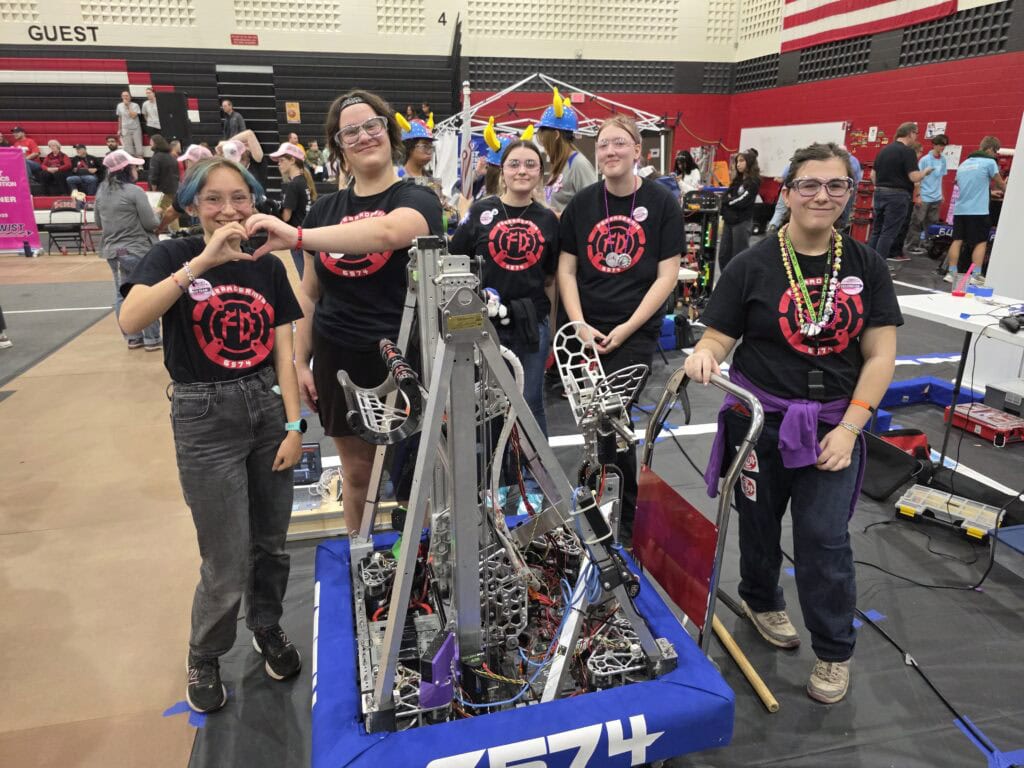
The drive team leading the Ferradermis 2025 season robot Chief of the Reef onto the field at TWIST included Drive Coach Erison Dreksler, Driver Margaret Brown, Operator Alex Nelson, Human Player Vivian Harris, and Technician Zoey Ambrose.
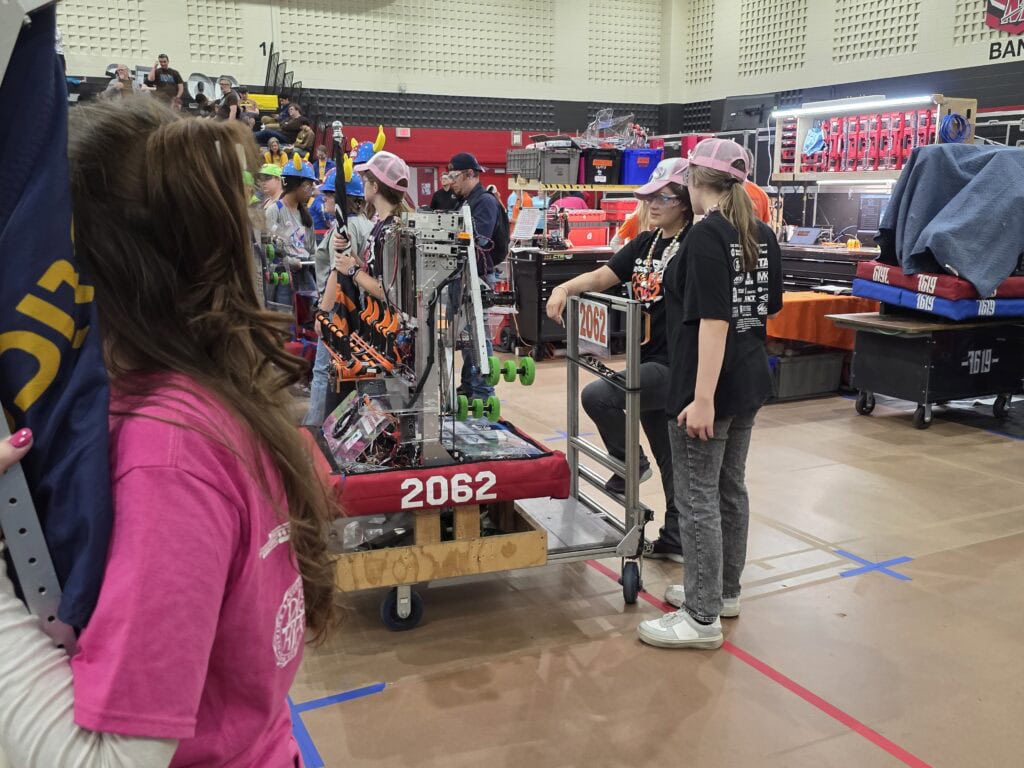
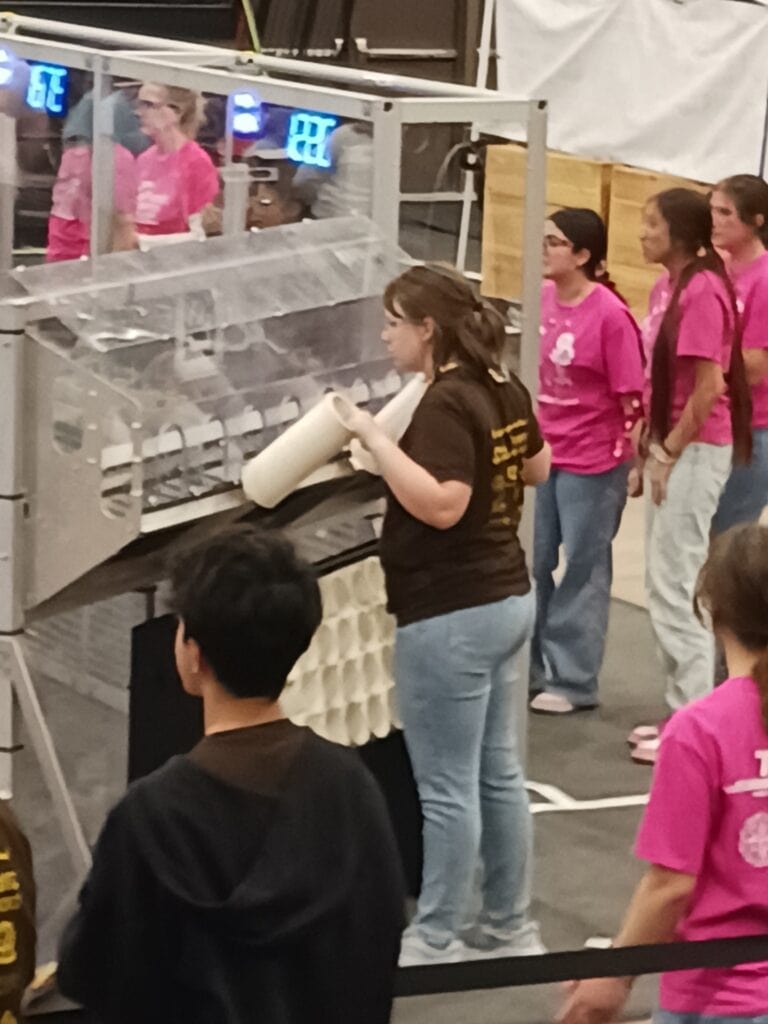
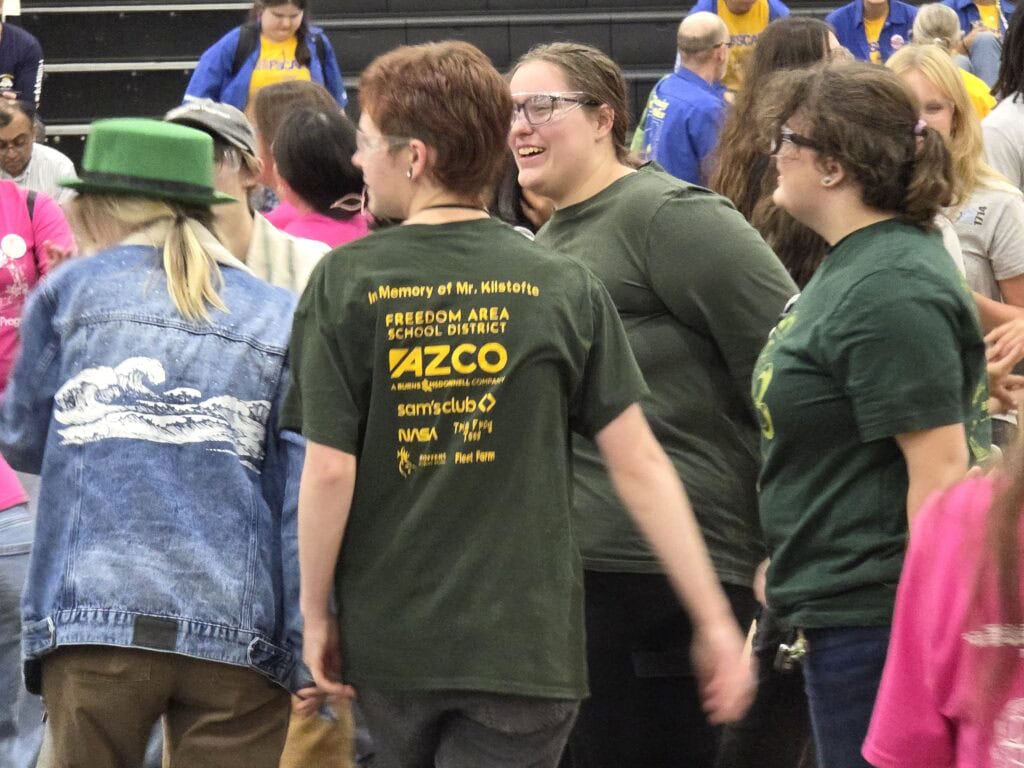
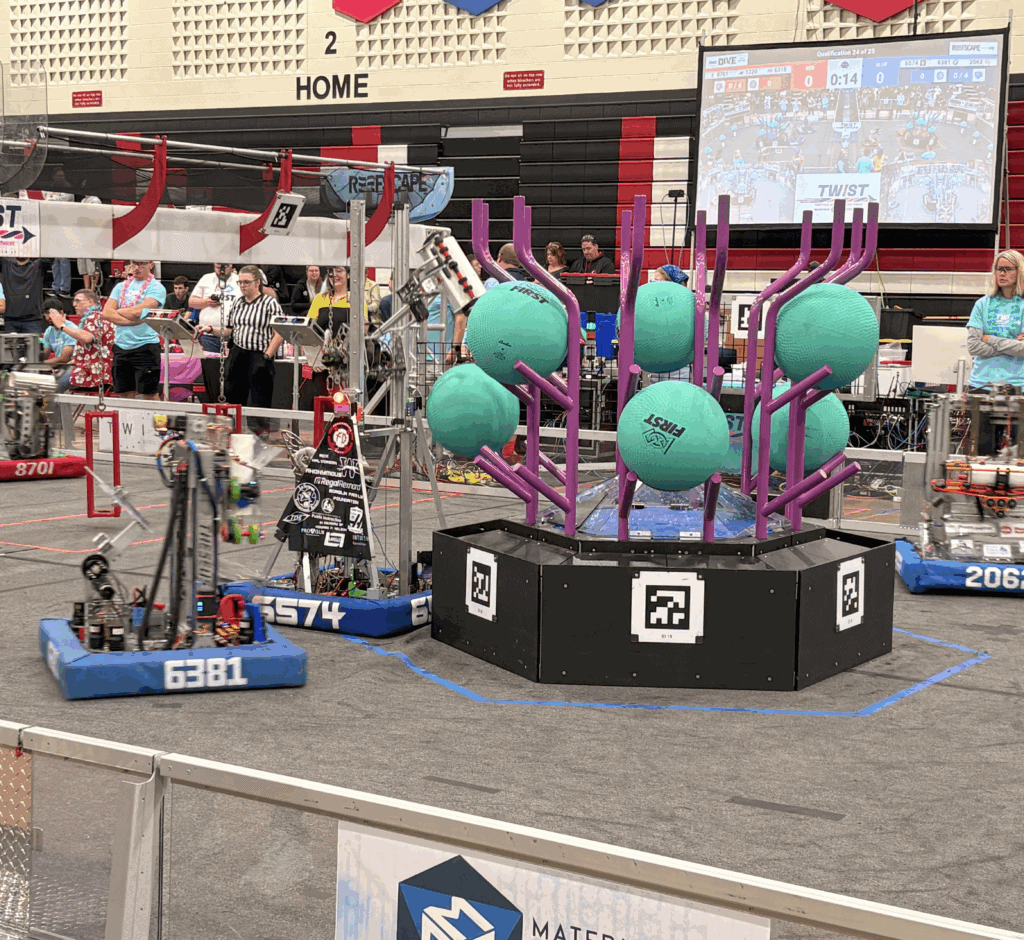
Gracious Professionalism and Coopertition, essentially helping every team be the best they can be, are tenets of FIRST Robotics. In that spirit, 5 Ferradermis members filled in gaps on drive teams for other teams who did not have enough female members to fulfill the all-female drive team requirement. Ferradermis has done this each year of the event, and other teams have come to know they can enter their robots by adopting Whitewater High School students onto their team for the day. Nina Heim alternated as Technician and Drive Coach for Team 8701 GRAFFITI from Greendale High School, and Charlotte Trautman served as Technician for Team 2062 CORE from Waukesha, Wisconsin. Rae Breisath and Shae Onstott served as Drive Coach and Human Player for Team 6318 FE Freedom Engineers from Freedom High School. The Freedom Engineers were a part of the eventual champion alliance, winning their first ever event in their 10-year history. Georgia Esch stepped in as Human Player for Team 1675 UPS (Ultimate Protection Squad) from a medley of Milwaukee High Schools including Bradley Tech and Rufus King. UPS was a part of the eventual finalist (runner-up) alliance. Even though Ferradermis wasn’t playing in the finals, team members had a great time cheering on Rae, Shae, and Georgia, and watching them gain valuable experience, as the event concluded.
Letty Trautman with COREGeorgia Esch with UPSNina Heim with GRAFFITIRae Breisath and Shea Onstott celebrating the championship with Freedom Engineers
Ferradermis finished the qualification matches ranked #2 out of the 30 competing teams from across Wisconsin and Illinois. They were tied with the #1 WarriorBots on ranking points as well as the first tie-breaker, but lost the 2nd tiebreaker of average match points. Ferradermis then became the captain of the #2 seeded playoff alliance and alliance selection representatives Erison Dreksler, Alex Nelson, and Mily Zeferino-Hernandez invited Team 93 NEW Apple Corps from Appleton and Team 1739 Chicago Knights Robotics from Chicago, Illinois to join them.
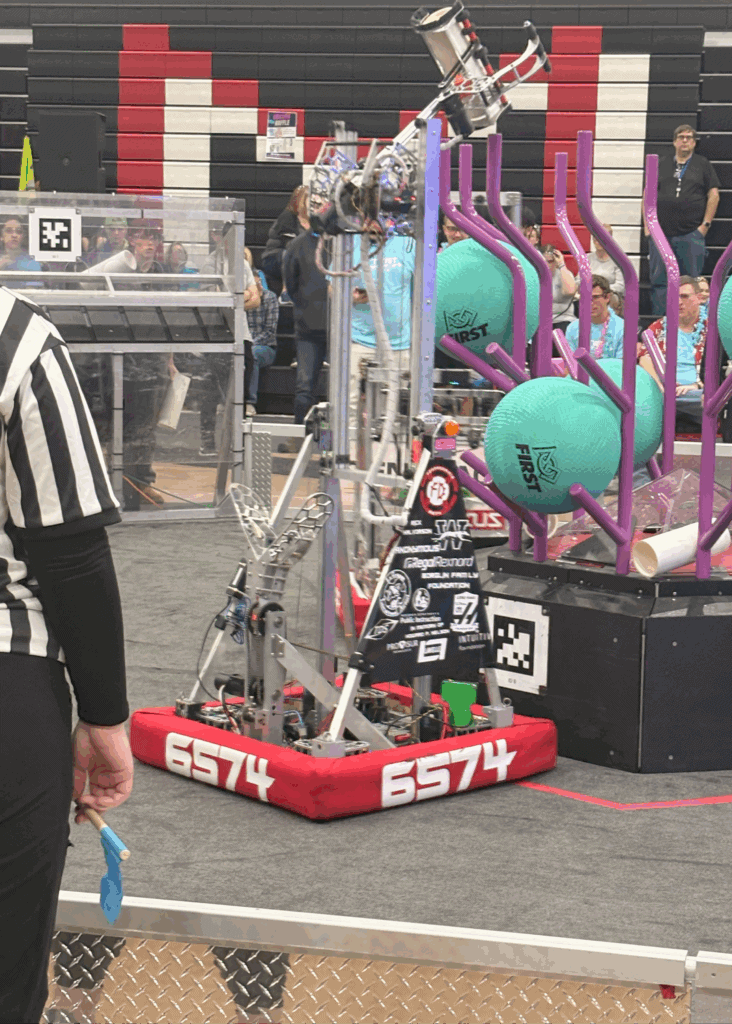
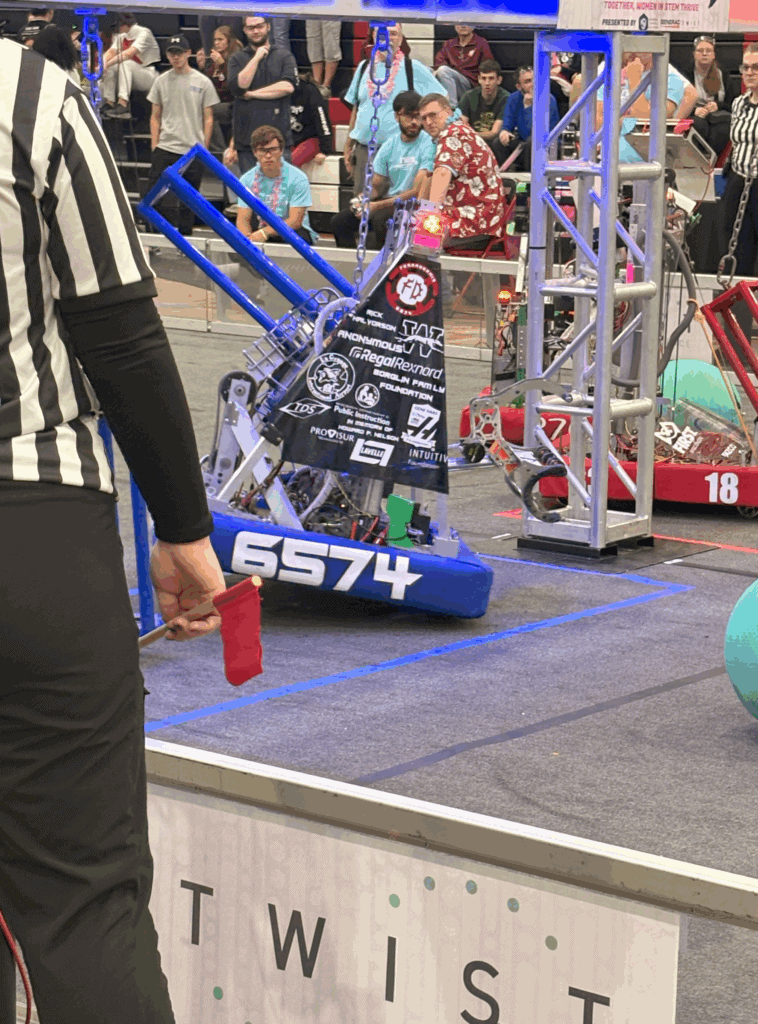
The Ferradermis 6574 robot in all 3 phases of the game – the autonomous period, the teleop period, and the endgame.
The playoff matches were rough for Ferradermis, with multiple alliance robots breaking down or getting temporarily “beached” on top of the large green playground balls that serve as algae in this year’s ocean-themed game. After the first playoff loss, the alliance needed to replace the Appleton robot and were joined by Team 9669 Regina Riveters from Wilmette, Illinois. A second loss quickly knocked the Ferradermis alliance out of the double-elimination playoffs.
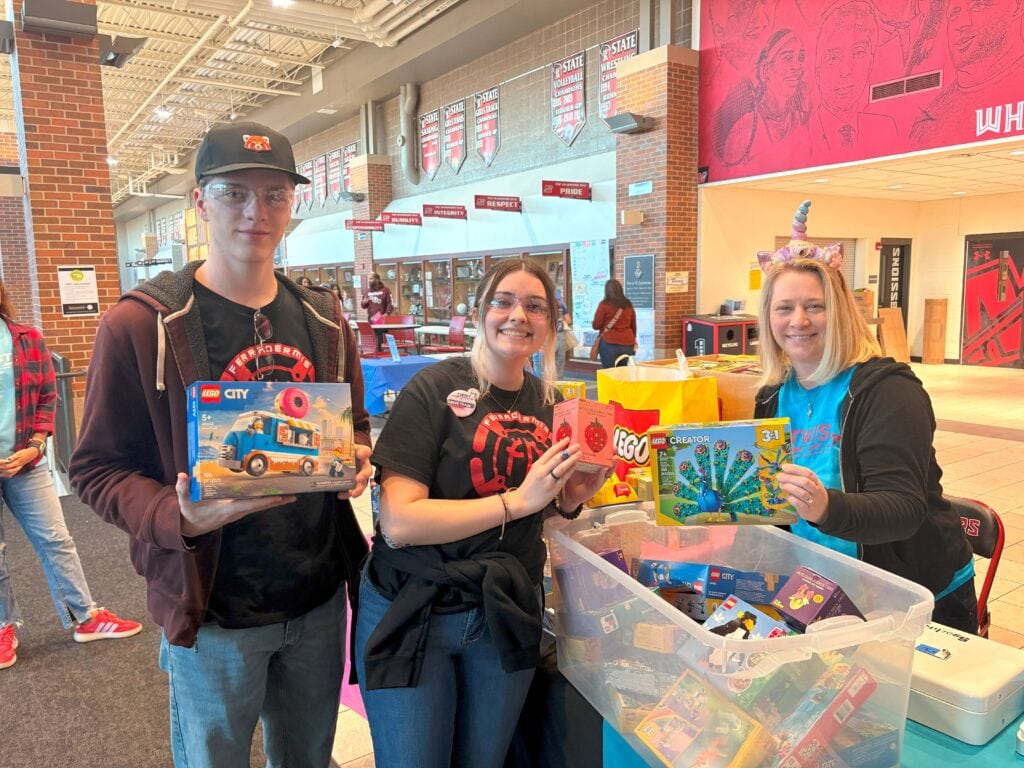
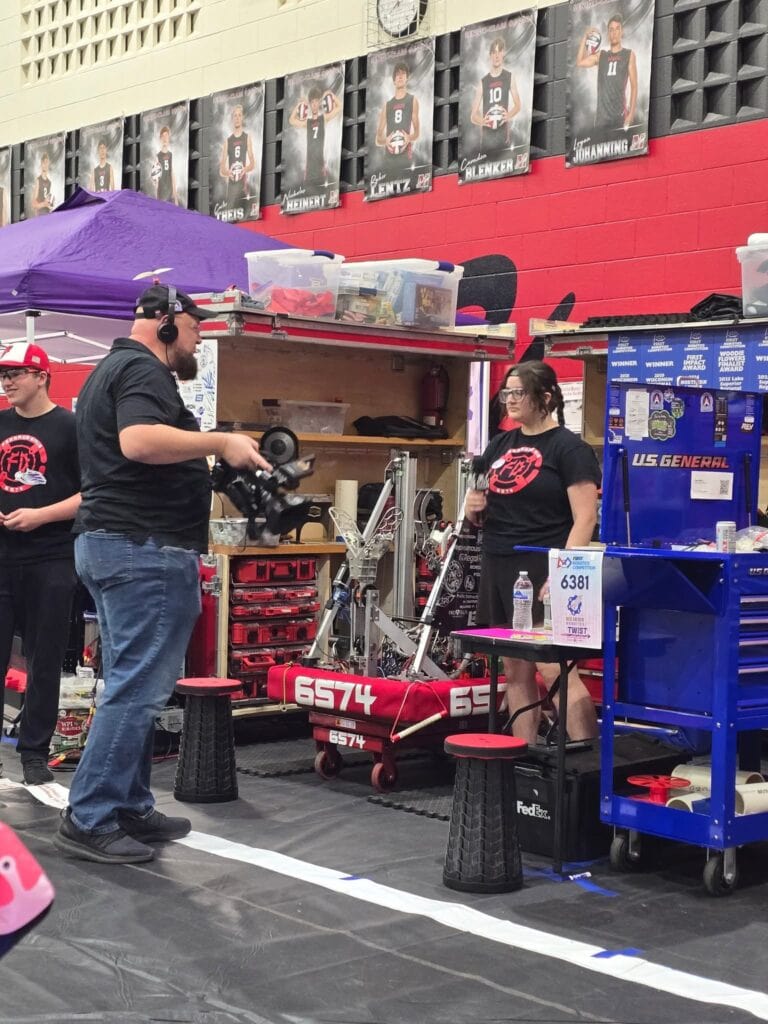
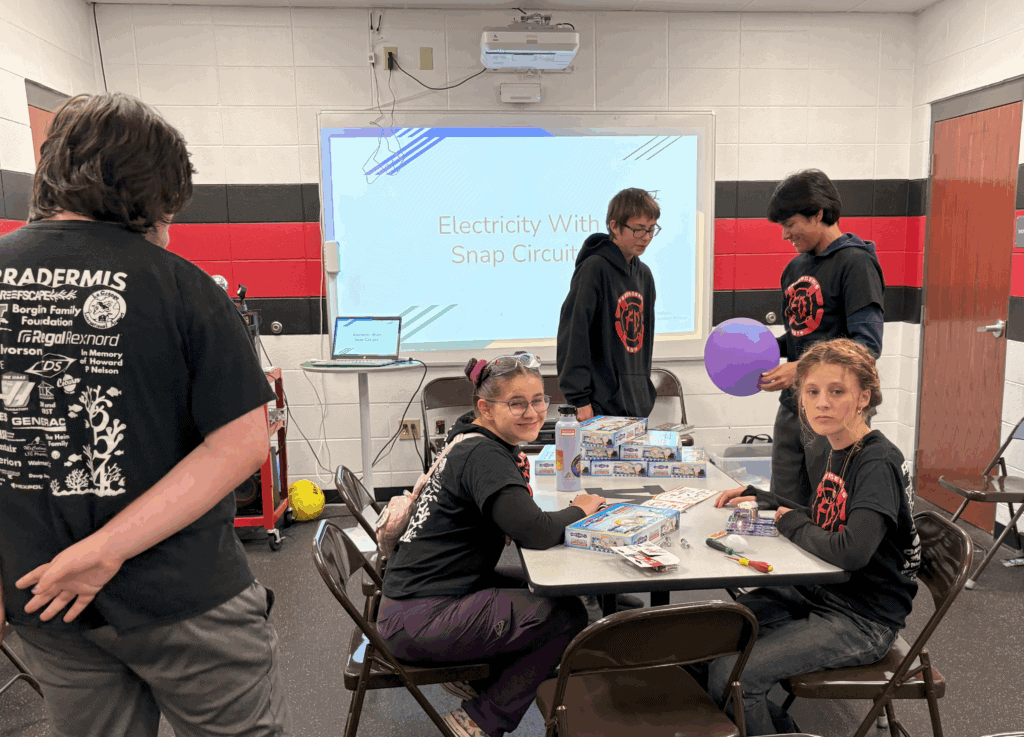
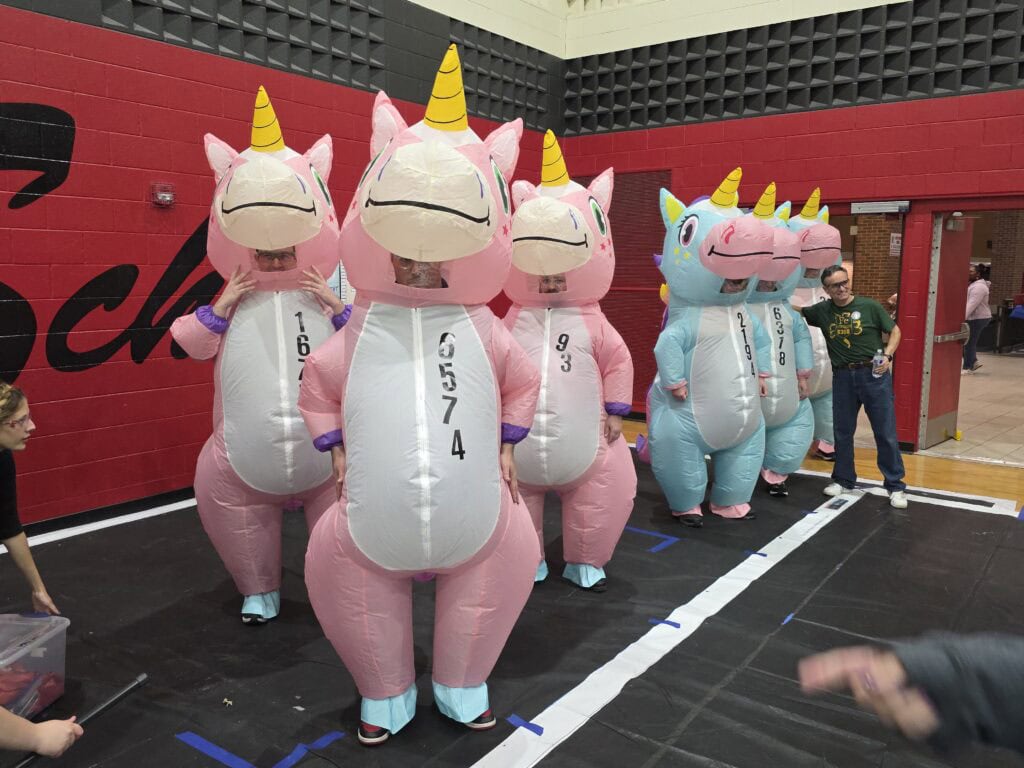
TWIST offers many other opportunities for students including a college fair and the chance to run workshops. Ferradermis members Nina Heim and Cooper Housel offered a workshop entitled “Circuit Playground” where they used SNAP Circuits to allow exploration of electricity. Tyler Olds, CEO of FIRST Updates Now (FUN) Robotics Network, was at the event filming selected teams for his Behind the Bumpers series, and Ferradermis member Margaret Brown was asked to do an interview. Ferradermis collected donations of new LEGO Kits prior to the event for a donation for Children’s Hospital. The teams that brought in the most donations were able to have one of their mentors don an inflatable unicorn costume for a human match, and Ferradermis Head Coach Mark Zimmermann was a good sport for the second year in a row. In the FIRST Robotics Competition, a unicorn match occurs when all available ranking points are earned by both alliances, and TWIST has adopted that theme for its charity matches.
FIRST Robotics Competition events are run entirely by volunteers, and Ferradermis provided several for the event. Mentor Tori Breisath worked the pit administration table, parent Sarah Downs worked on the field reset crew, and Team Advisor Laura Masbruch served as a judge.
Throughout the day, judges roamed the pits interviewing teams for a variety of awards. Ferradermis members were pleased to get multiple visits from teams of judges interested in hearing about their robot. Programming Subteam Lead Ace Hudec enjoyed explaining the team’s new button board to the judges. The button board, a summer team project first tested at the MROC offseason event in July, allows the drive team to execute autonomous alignment routines during matches by making use of a vision system utilizing April Tags (similar to QR codes) on the field.
Additional Ferradermis members rotated through other roles throughout the day including pit crew, scouting, safety, and media. Chacha Binagi, Emilie Bruns, Asher Downs, Alex Fletcher, Mason Genung, Eli Gonsior, Jayden Kehrer, Colby Long, Wyatt Meyers, Carson Miller, Preston Miller, Alex Perez-Aguilar, Sam Raupp, Julian Rennells, Johan Servin, Owen Taylor, Elora Wildermuth-Breitzman, Talon Wildermuth-Breitzman, and Paxton Wilson all contributed to the team’s success at TWIST.
Ferradermis will take part in a training day at Waukesha County Technical College in Pewaukee next Saturday, where they will also offer two presentations for other teams. The following weekend, they will travel to Tremont, Illinois for Roboteer Rumble, an event that will feature 36 teams from across the Midwest.
On Saturday, November 15th, Ferradermis looks forward to hosting the second annual Whitewater FIRST LEGO League Challenge Regional, and on Sunday, December 7th, they’ll host the first annual Whitewater FIRST Tech Challenge Qualifier. Look for robotics teams from the Whitewater elementary schools and Whitewater Middle School to compete at these events which are free and open to the public.
Article Submitted by Laura Masbruch Whitewater High School Robotics Advisor lmasbruch@wwusd.org Photos Courtesy of Sam Raupp, Tori Breisath, Kat Dunham, and Laura Masbruch