




Editor’s note: The following recommendations are provided by the city’s Urban Forestry Commission.
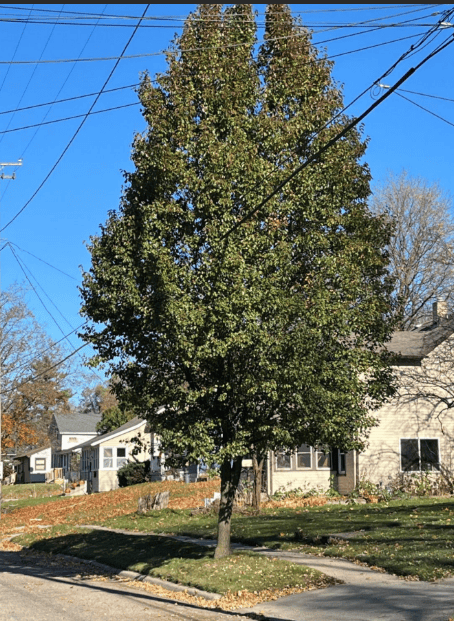
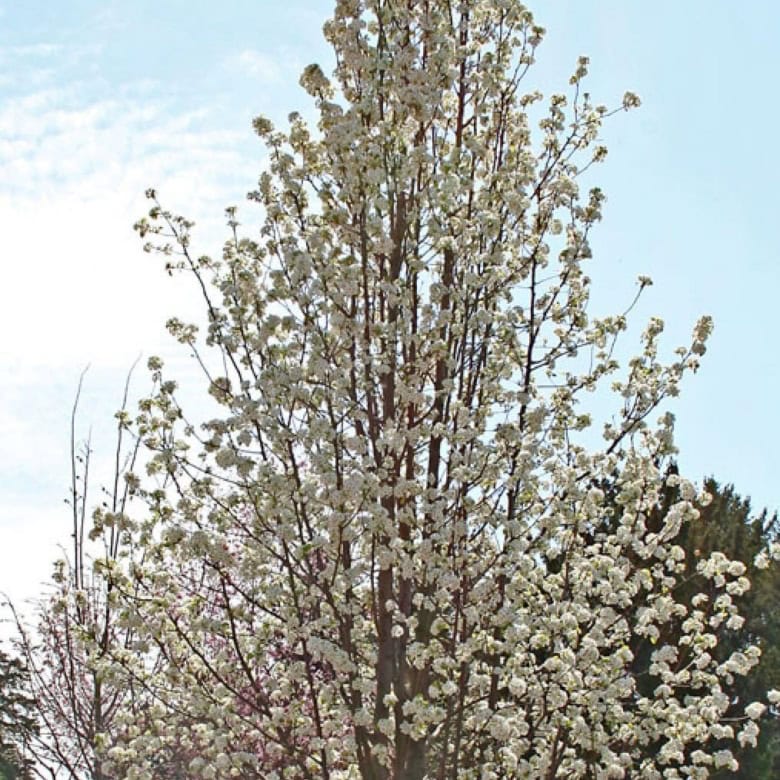
Bradford pear trees are often planted for their rapid growth and showy white spring flowers, but research and local experience have shown they are a poor choice for Walworth County and the City of Whitewater. Although once widely recommended as an ornamental tree, Bradford pears have significant structural and environmental drawbacks. They are short-lived, prone to severe branch breakage during storms and winter weather and frequently fail just as they reach maturity. Their weak branch structure results in higher maintenance costs and increased risk to property and public safety.
In addition to structural issues, Bradford pear trees are widely known for the unpleasant odor produced by their spring blossoms. While visually striking, the flowers emit a strong smell that many residents find offensive, particularly when trees are planted near homes, sidewalks, parks, or downtown areas. This odor, often compared to rotting fish or other decaying organic matter, can linger for days during peak bloom and significantly detracts from the perceived benefit of the tree’s short-lived floral display.
Beyond these concerns, Bradford pear trees pose a serious environmental threat. While individual Bradford Pear trees are often marketed as sterile, they readily cross-pollinate with other pear varieties, producing viable seed. These seeds spread into natural areas, parks, roadsides, and woodland edges, where they establish aggressively. Once established, Bradford pears form dense stands that displace native plants, reduce plant diversity, and degrade habitat. The loss of native vegetation directly affects insects, birds, and pollinators that depend on specific native plants for food, reproduction, and shelter. For these reasons, they are now considered highly invasive.
Fortunately, there are many native tree species well suited to Whitewater’s climate and soils that provide spring interest while supporting local ecosystems. These native trees offer attractive blooms, early foliage, and habitat benefits without the long-term problems associated with Bradford pears.
Native trees evolved alongside Wisconsin’s wildlife and climate, making them far more beneficial than non-native ornamentals. Native insects rely on native plants to complete their life cycles, and birds depend on those insects to feed their young. A single native oak can support hundreds of insect species, while non-native trees often support very few. Native trees are also better adapted to local soils and weather patterns, meaning they typically require less maintenance, are more resilient to pests and disease, and contribute to a stronger, more sustainable urban forest over time.
Residents interested in planting native trees will have an opportunity to do so through the City of Whitewater Urban Forestry Commission Tree Sale. The sale begins the last Friday in April at Starin Park and offers a selection of native, regionally appropriate trees while supplies last. Choosing native trees helps strengthen Whitewater’s urban forest, protect nearby natural areas, and ensure that spring beauty enhances the community without unintended environmental or quality-of-life impacts.