























Early City Motto "The Banner Inland City of the Midwest"
The Banner has been serving Whitewater, Wisconsin since August 1, 2006
Today is Saturday, October 10, 2026



News & Events
To add an event, click here to go to the Community Calendar. Then, click on Submit Event.
Helpful Links


Search our Archives
To search our archives, enter a search term in the search box, then press enter to search.
The Walworth County Drug Enforcement Unit, with the assistance of the City of
Whitewater Police Department and the University of Wisconsin-Whitewater
Police Department, conducted an investigation that involved the sale of illegal
controlled substances and fraudulent identification documents in the City of
Whitewater. The investigation included controlled buy(s) of fraudulent documents, [and] illegal controlled substances and culminated with a search warrant.
On July 17, 2025, at approximately 7:19 a.m., the Walworth County Drug
Enforcement Unit, assisted by the City of Whitewater Police Department, the
University of Wisconsin-Whitewater Police Department, Homeland Security
Investigations (HSI), United States Marshal Service (USMS), Federal Bureau of
Investigations (FBI), and Immigration and Customs Enforcement (ICE) executed
a drug search warrant at the residence of 645 E. North Street, in the City of
Whitewater.
While searching the residence, cocaine, drug paraphernalia, and one firearm was
located and seized. Also located was a computer and printers used to manufacture fraudulent photo identification cards and Social Security cards. Additional fraudulent documents were also located during the search.
Two residents were arrested during the search warrant and transported to the
Walworth County Jail:
Freddys Manual Gaitan Ruiz, DOB:12/26/2000 (AKA Freddys M. Moreno
Ruiz) and Anner Amilkar Bustamante Talavera, DOB: 11/28/1994.
Gaitan Ruiz was arrested on the following charges:
Maintaining a Drug Trafficking Place – 961.42(1)
Delivery of Cocaine – 961.41(1)(cm)1g
-Within 1000 feet of a School – 961.49(1m)(b)6
Delivery of Cocaine – 961.41(1)(cm)1r
-Party To A Crime 939.05
Possession With Intent To Deliver Cocaine – 961.41(1m)(cm)2
– Within 1000 feet of a School – 961.49(1m)(b)6
Possession of Drug Paraphernalia – 961.573(1)
Child Neglect – 948.21(2)
Bustamante Talavera was arrested on the following charges:
Maintaining a Drug Trafficking Place – 961.42(1)
-Party To A Crime 939.05
Delivery of Cocaine – 961.41(1)(cm)1r
Possession of Drug Paraphernalia – 961.573(1)
Misdemeanor Bail Jumping – 946.49(1)(a)
Bustamante Talavera also had active warrants and had been out on bond in the
following criminal cases: Fond du Lac County 24CT122 and Walworth County
Cases 2023CT000689, 2024CT000211, 2024CT000228, and 2024CM000202. [All of which are traffic or bail jumping offenses.] Information is being provided to Walworth County District Attorney’s Office and federal authorities for consideration of additional charges.
Pursuant to the directive of the Wisconsin Supreme Court, as found in Supreme
Court Rule 20:3.6, Trial Publicity, you are advised that a charge is merely an
accusation and that a defendant is presumed innocent until and unless proved guilty.
Editor’s note: The above press release was received from the Walworth County Sheriff’s Department.
By Lynn Binnie
Whitewater volunteer staff
whitewaterbanner@gmail.com
Whitewater police officers are reportedly increasing their enforcement of the “thru traffic” prohibition due to road construction on the entirety of Walworth Avenue. According to Police Chief Dan Meyer, the “bond deposit” portion of a citation can double in a road construction area, which could make for an unusually expensive ticket.
“Closed to thru traffic” means that a road is temporarily not open for people just passing through — it’s blocked off to non-local drivers who don’t need to stop in that area. The main reasons for such a closure are for the safety of the construction workers and to reduce interruptions to their work.
In this case, here are some examples of drivers who are allowed to use Walworth Avenue:
– Residents of Walworth Avenue using the street for a minimal distance to get to/from their home.
– Trucks with deliveries to Walworth Avenue addresses.
– Drivers needing to get to/from the high school or Aquatic/Fitness Center. They may only drive across Walworth at Elizabeth St. (unless they’re Walworth Ave. residents.) Reportedly the west entrance to the high school is currently closed.
– Emergency personnel.
– Construction workers on the project.
Here are examples of illegal uses of Walworth Avenue:
- Anyone turning right onto Walworth Avenue from Indian Mound Parkway. There are no homes or businesses in that section.
- Driving from Highway 12 to Indian Mound Parkway.
- Anyone driving on Walworth Avenue simply to avoid the detour.
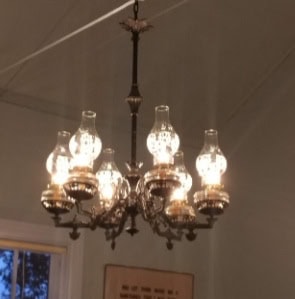
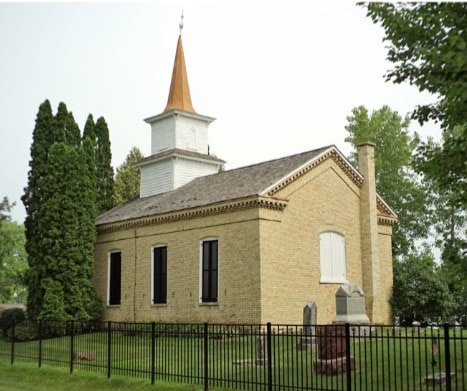
Historic Heart Prairie Church, located at W8136 R and W Townline Rd, on Whitewater Lake, is holding its second Oil Lamp Service of the summer. Please join us on Sunday, July 27th, at 7:30 pm for an evening of fellowship and refreshments. At 8:30 pm, the oil lamps inside the church will be lit for Hoisse Masse, our historic Norwegian liturgical service, translated into English.
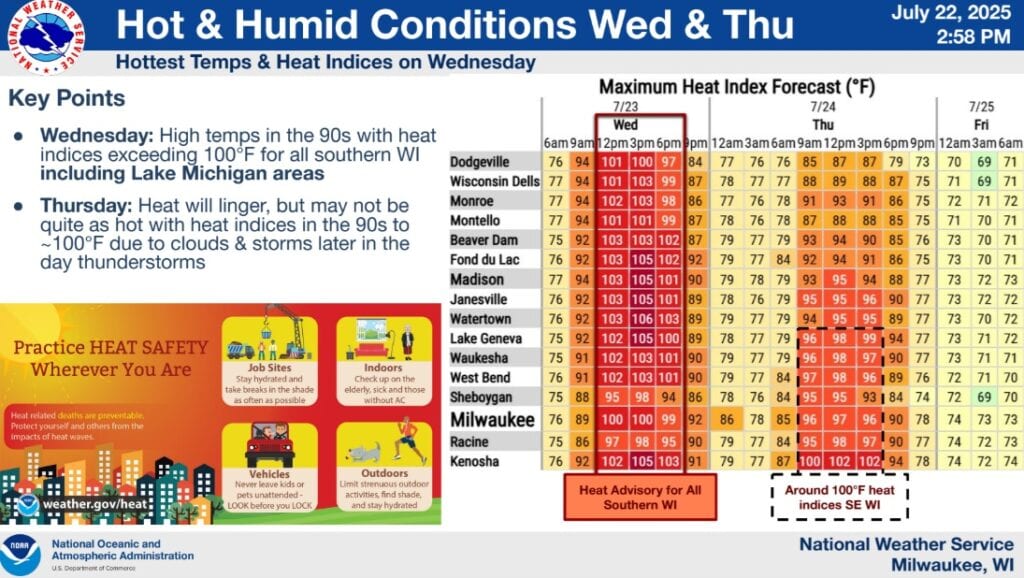
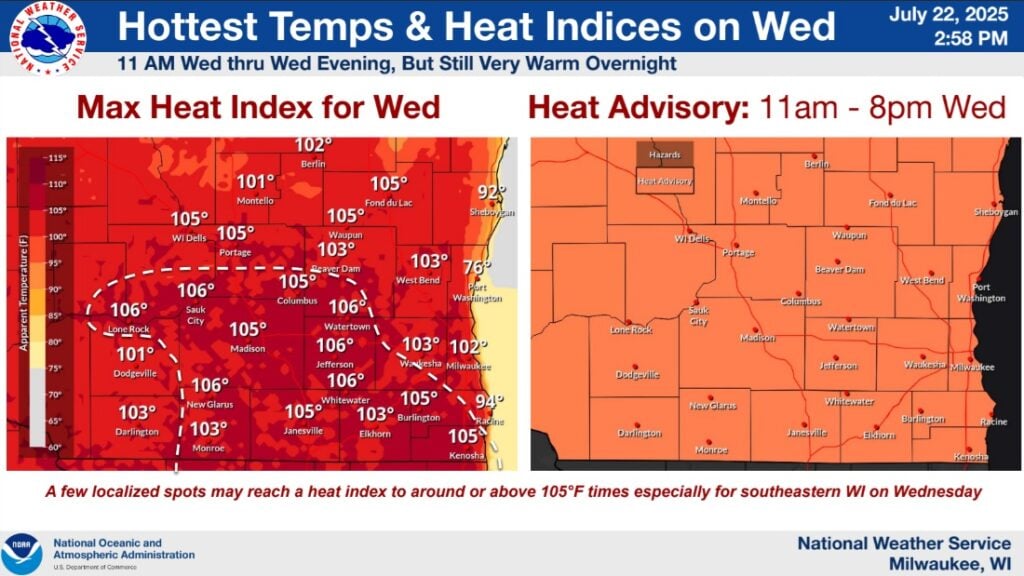
The National Weather Service Milwaukee/Sullivan Weather Forecast Office has upgraded their Extreme Heat Watch to a Heat Advisory for Wednesday from 11 a.m. – 8 p.m. Our area is projected to have a maximum heat index of 106 degrees F. It will be important to remain inside as much as possible and to drink lots of water.
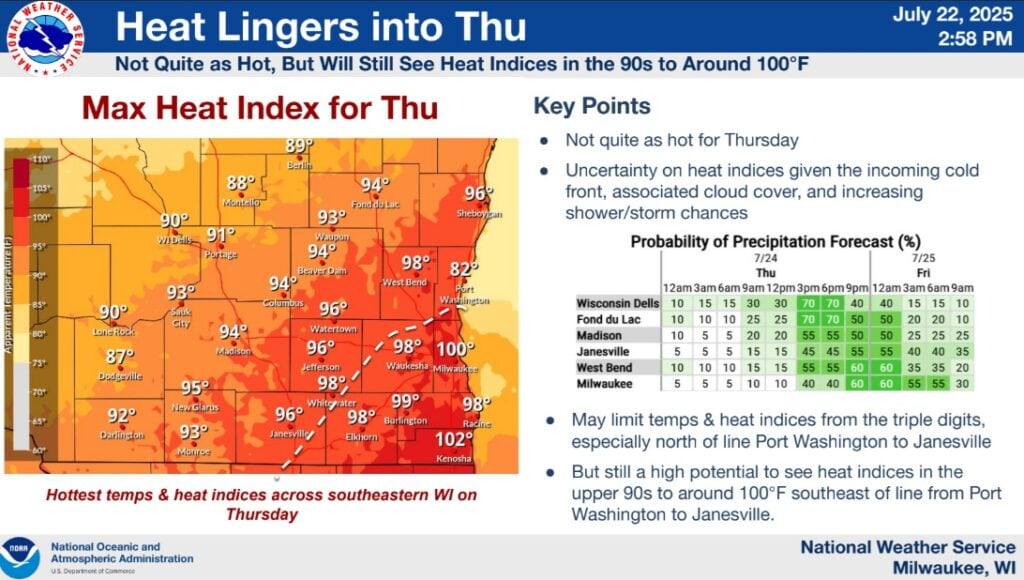
Increased clouds and rain chances on Thursday are expected to moderate the heat index somewhat, but in our area it’s still expected to reach a maximum of 98 degrees.
Anyone who may need to cool off might consider the following locations:
The Community Space, 834 E. Milwaukee St., is open 3:30 – 7:00 p.m.
The UW-W Library, 750 W. Main Street, is open 8 a.m. – 6:00 p.m. Parking on campus is not free; however, there is street parking across Main Street.
Editor’s note: The Banner appreciates having permission to use the image on the homepage by cloud_purple from Pixabay.
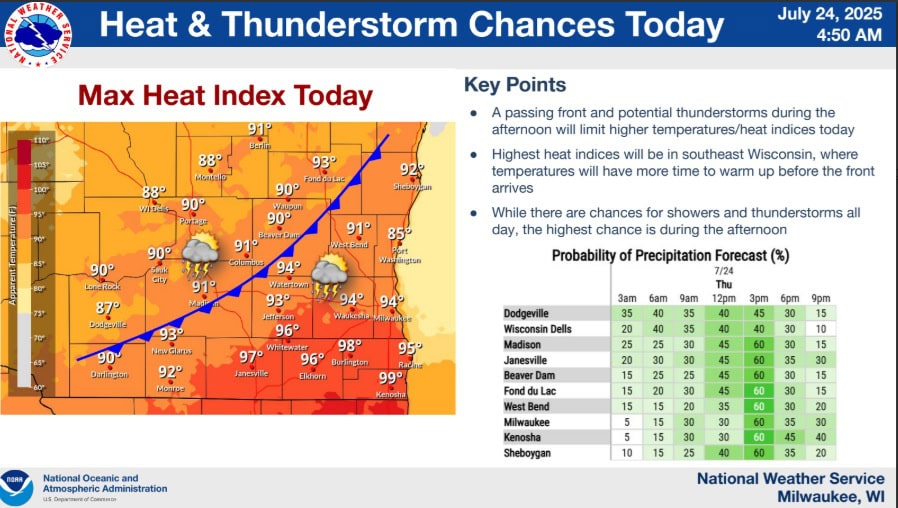
Update 7/24/25 @ 8:45 a.m. – The National Weather Service [NWS] Milwaukee/Sullivan Weather Forecast Office indicates that they will not be issuing a heat advisory today, as the heat index is not expected to exceed 100 degrees. They downgraded the heat index prediction for the Whitewater area from 99 to 96.
NWS states “The chance for thunderstorms remains conditional today. If there is a long period of sunshine, strong storms are possible within the vicinity of a front that will drop through southern Wisconsin this afternoon. Gusty winds and frequent lightning are the main concerns, but we cannot rule out a severe thunderstorm or two.”
Editor’s note: The Banner appreciates having permission to use the image on the homepage by Francis Liagre from Pixabay.
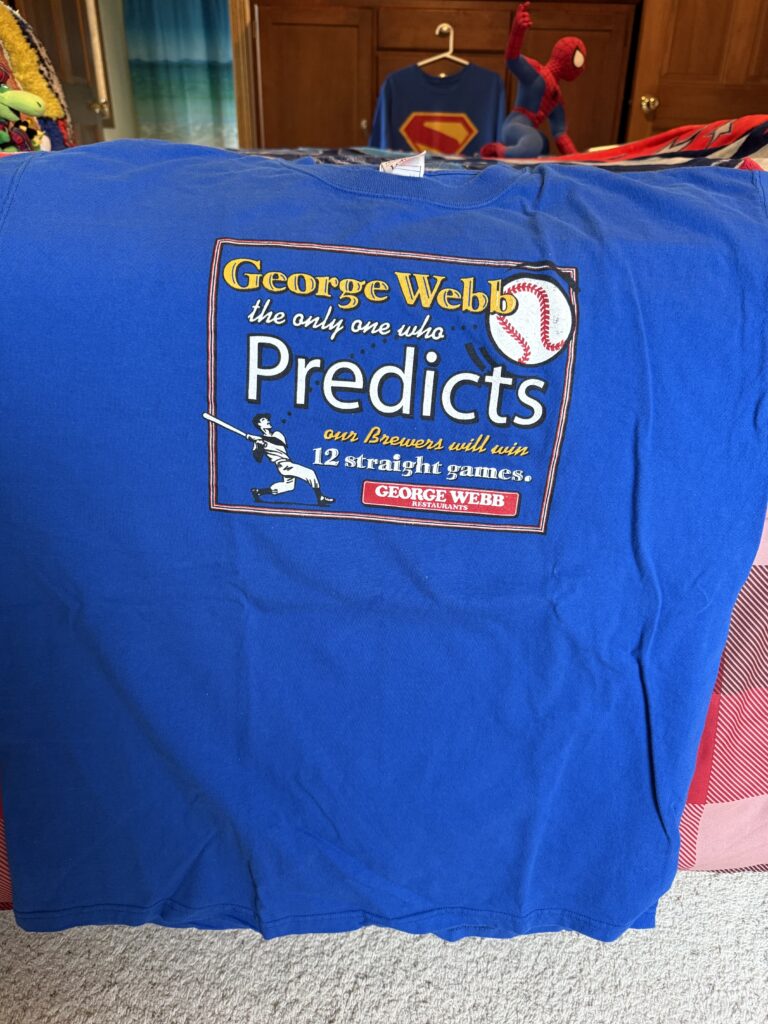
Yesterday the Milwaukee Brewers won their 11th consecutive game, and tonight at 8:40 CDT they hope to extend their streak to 12 as they play the Seattle Mariners in an away game. They’re currently at the top of the MLB, with a 60-40 record. [The Cubs are at 59-41.] The game is broadcast on Fanduel, TDS channel 252 or Spectrum channel 29.
Today Mark Dorn is wearing the above T-shirt that dates to 1987! He says “I was in line in Milwaukee to get my free George Webb for several hours, back in the day.”
The longest winning streak in Milwaukee Brewers history is 16 games, spanning from October 3, 1986 to April 20, 1987. That run started with a win over the Toronto Blue Jays to close out the ’86 season and continued into the start of the ’87 campaign, famously dubbed “Team Streak.” Then in the 1987 season they had a 13 game streak, and in 2021 (and 2025, thus far) they had 11 game streaks.
The 1987 streak triggered Milwaukee’s legendary George Webb burger giveaway, a quirky local tradition that promises free burgers if the Brewers win 12 straight.
The Milwaukee Journal Sentinel has published the article at the following link. George Webb ready to give 100,000 free burgers if Brewers win tonight. Ryan Stamm, vice president of George Webb, describes in the article the many contacts he’s had in recent days with vendors, distributors and franchise owners to ensure that they’ll be ready to keep their promise. He indicates that “If the Brewers do beat the Mariners, George Webb will announce the date of the giveaway, something that Stamm said will have been decided in a meeting hours before the game’s first pitch. And while it won’t happen the next day, Stamm said the goal is to get burgers in hands as fast as possible.”
The tradition began in the 1940s, when George Webb predicted the [minor league] Brewers would win 12 straight games. It became official in 1987, when the Brewers hit that mark and George Webb handed out over 168,000 burgers. The only other time it happened was in 2018, when fans received 90,000 burgers and 100,000 vouchers.
Our thanks to Mark Dorn for sharing this photo of his priceless T-shirt.
Celebrate community, canines, and cold drinks on August 3.
Rotary Botanical Gardens is excited to host the first ever Dog Days of Summer on Sunday, August 3, 2025, from 11 AM to 2 PM. This new dog-friendly event invites guests of all ages two and four-legged to enjoy a lively day of outdoor fun, food, music, and community.

Held on the scenic 20-acre garden grounds at 1455 Palmer Drive, Dog Days of Summer will feature food trucks, vendors, a pet photo booth, lawn games, dog cooling stations, and goodie bags for the first 100 guests. Attendees can shop at the local pet vendor marketplace, enjoy live entertainment, and take part in interactive dog-friendly games like bobbing for tennis balls and a dog/owner look-a-like contest.
Adding to the festivities is a custom beer release by Good Works Brewing Co., specially crafted and labeled for the event. This exclusive Dog Days of Summer brew will be available during the event alongside non-alcoholic options and treats from participating vendors.
Admission is $10 per person and includes full access to the gardens and all events. Children 6 and under enter free, and dogs are welcome at no additional cost (must remain leashed and follow posted guidelines).
“This event is all about enjoying the gardens in a new, playful way,” said Laura Kenyon, Community Engagement Manager. “We’re excited to bring the community together for something fresh, fun, and dog friendly.”
For full event details, visit:
https://rotarybotanicalgardens.org/event/dog-days-of-summer/
About Rotary Botanical Gardens
Rotary Botanical Gardens is a 20-acre non-profit botanical garden featuring 20 unique garden styles and over 4,000 plant varieties. Located in Janesville, WI, the Gardens provide a serene and inspiring space for visitors to connect with nature, engage in educational programs, and support conservation efforts. The Gardens rely on community support, donations, and events like Dog Days of Summer to continue their mission of horticultural excellence.
The following area student completed degree requirements at the University of Wisconsin-La Crosse in May.
The University of Wisconsin-La Crosse, founded in 1909, is one of 13 four-year institutions comprising the Universities of Wisconsin. UWL offers 130-plus degree programs from undergraduate to doctoral levels in arts, social sciences and humanities; science and health; business; and education. UW-La Crosse – www.uwlax.edu – is a top-ranked university. It is the No. 1 public university in Wisconsin with fewer than 25,000 students, according to Niche’s Best Colleges ranking.
Students earning degrees in May include:
Whitewater, WI
Catherine Skindingsrude, Bachelor of Science, Biology Major, Highest Honors
Obituaries

Sally A. Schutte, age 73, of Whitewater, went home to be with her Lord and Savior on September 21, 2026, while at Hearthstone Memory Care in Whitewater. Sally was born on November 6, 1952, to Roy and Elsie (Rohloff) Haas. Sally married William Schutte in the spring of 2003. Sally grew up on the family farm in the Town of Hebron and graduated from Jefferson High School. She dedicated nearly her entire career to Fort HealthCare, where her hard work and versatility shone through various roles. Over the years, she served in housekeeping and medical records, Center for Dermatology. Sally … Read more
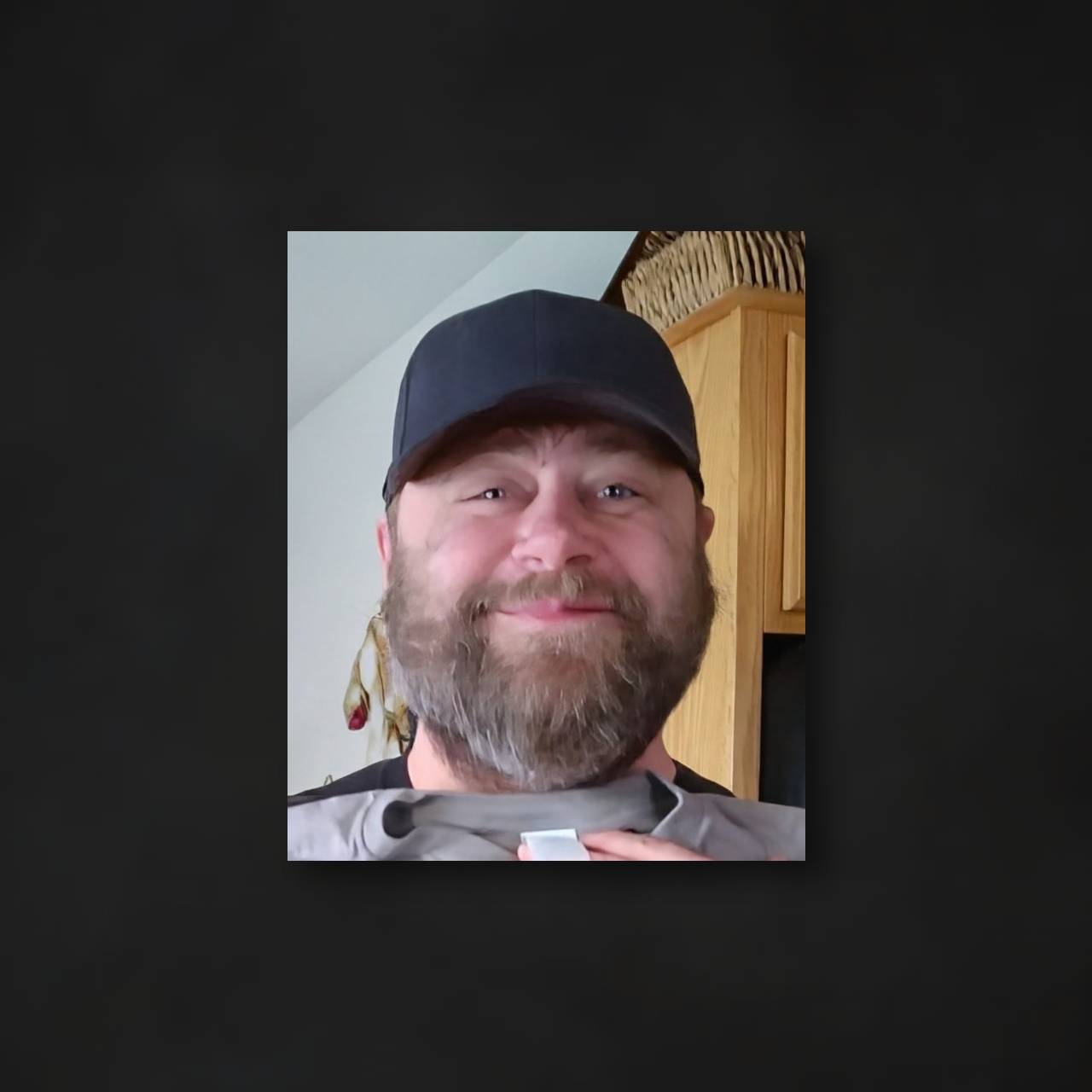
Zachariah “Zach” Schoenke, 41, of Whitewater passed away peacefully on Tuesday, September 22, 2026. He was born April 4, 1985, to Keith W. Schoenke and Kathleen Schoenke in Fort Atkinson, WI. He grew up and graduated from Whitewater High School in 2003. Zach worked various jobs over the years but was currently working at Cracker Barrel in Janesville. He was a big Packers Fan and liked to play fantasy football. He enjoyed reading, cooking, and watching horror shows. Zach fiercely loved his son, Lincoln, his sisters, Cami and Cary, his mom and stepdad, and his aunt Robin. He will be dearly … Read more
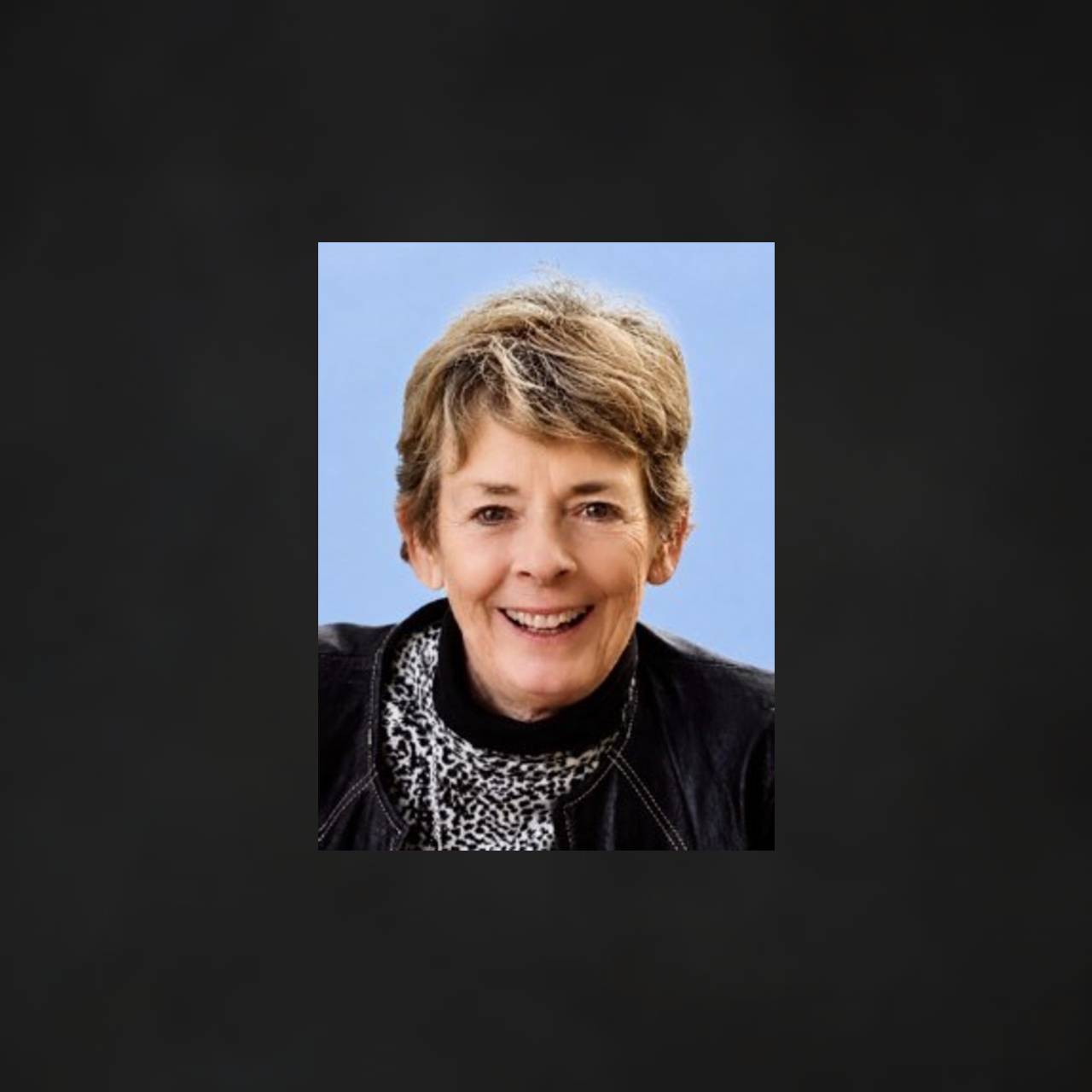
Carla Winn, 82, died September 5, 2026. Funeral Service will be at 12:00 PM, Saturday, September 12, 2026, at East Heights United Methodist Church, 4407 E Douglas Ave, Wichita, KS 67218, followed by a burial at 2:00 PM at White Chapel Memorial Garden 1806 N Oliver Ave. Carla is preceded in death by her parents, Vivian Dwight and Wilma Lois Krehbiel; and sister, Jennifer Krehbiel. She is survived by husband, Stephen; daughter, Ashley (Clint) Gagel, of Overland Park; siblings, Paul (Kay) Krehbiel, of Socorro, NM, Lynn (Bill) Oetting, of Wichita, Ellen (John) Querner, of Wichita, Teresa Woodson, of Lawrence, KS, … Read more

Susan Miller Celebration of Life There will be a gathering of friends and acquaintances at Susan’s Farm Store to celebrate Susan’s life on Saturday, September 19th from 2-5 p.m. at N6623 Lake Lorraine Rd., Delavan, Wisconsin
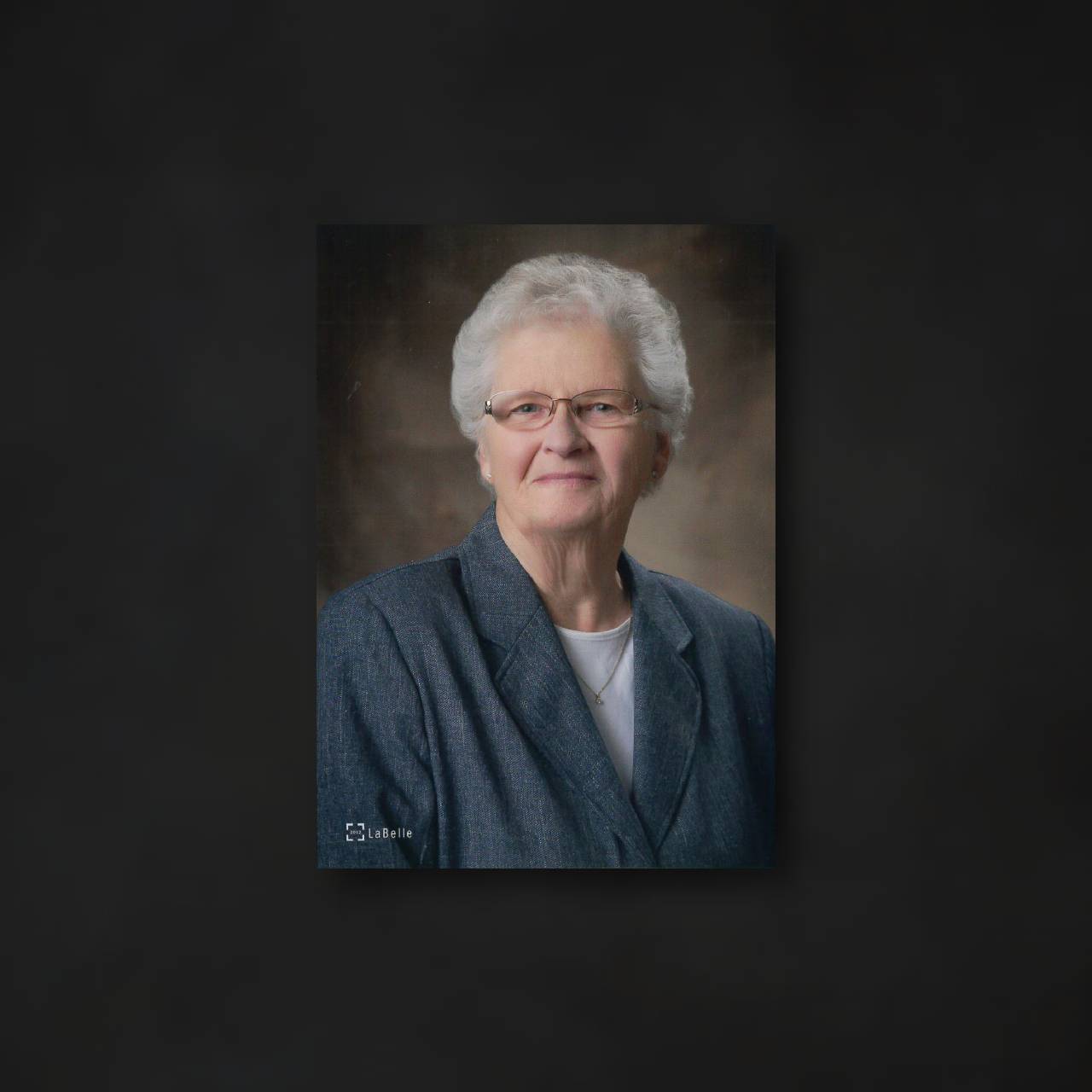
Our loving mother, JoAnn E Harrop, age 95, passed away on September 11, 2026. Our sorrow is deep, but we are filled with gratitude for the many years we had with her. Even as her mind was failing, she remained strong and appreciative of all who cared for her. JoAnn was born on January 13, 1931, daughter to Fred Braun and Evelyn Braun {Storck). She was raised in Whitewater, Wisconsin by her grandparents, Otto and Edith Storck. She attended Whitewater High School and helped at the Storck tavern where she met her husband Earl C. Harrop. They married on November … Read more
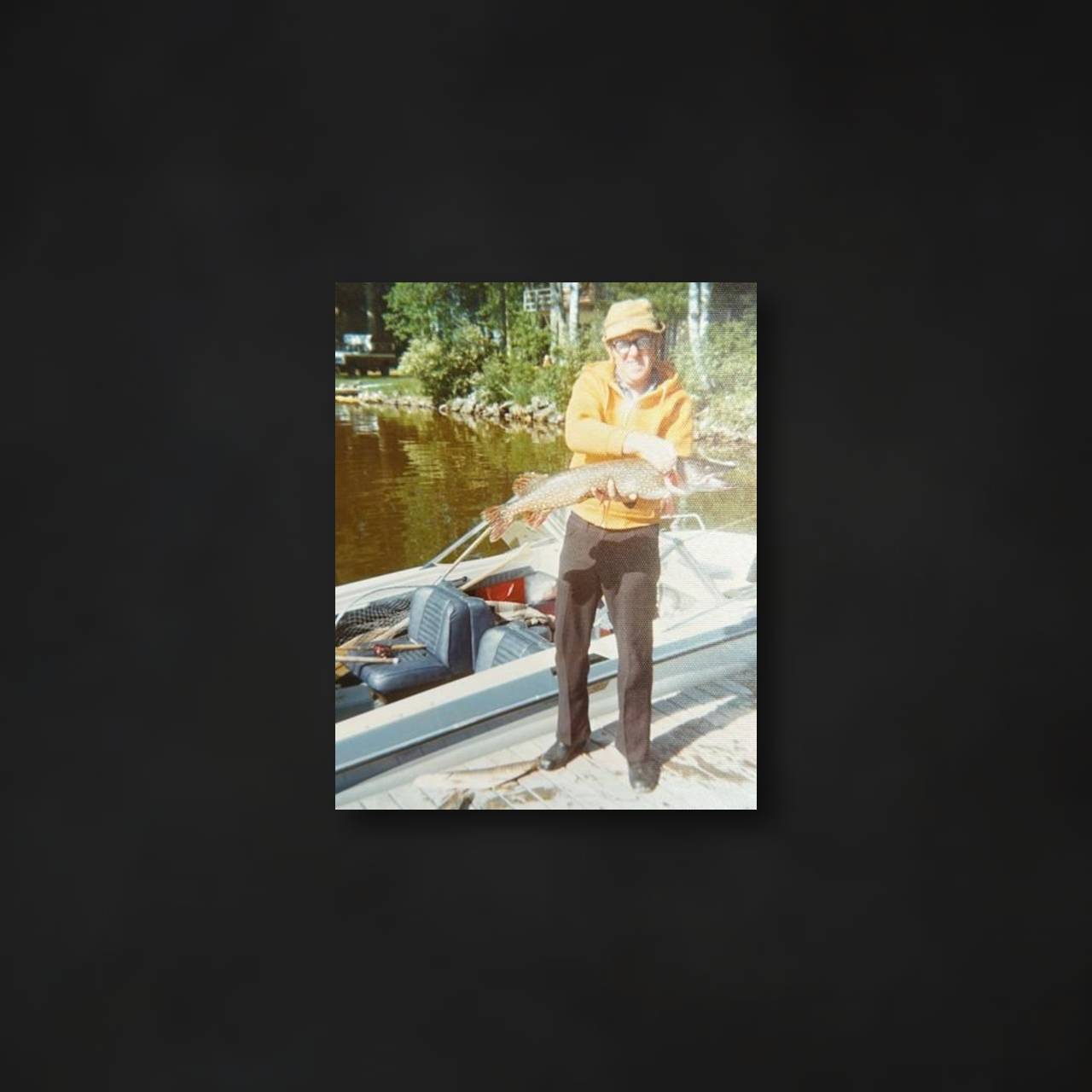
Russell O. Johnson “Russ,” 88, passed away on September 4, 2026 in Whitewater, Wisconsin. Russell was born on July 12, 1938, in Janesville, Wisconsin. Russ grew up in Janesville, and after high school he joined the Air Force on May 1, 1958, serving as an aircraft mechanic until June 12, 1962. He then worked at Parker Pen in Janesville for a time, where he met his future wife, Avis. After marrying Avis Mason in April 1964, Russ worked for Gillman Manufacturing for a time, then began a career at Dana until its closing in 1980. In 1981, Russ started working … Read more
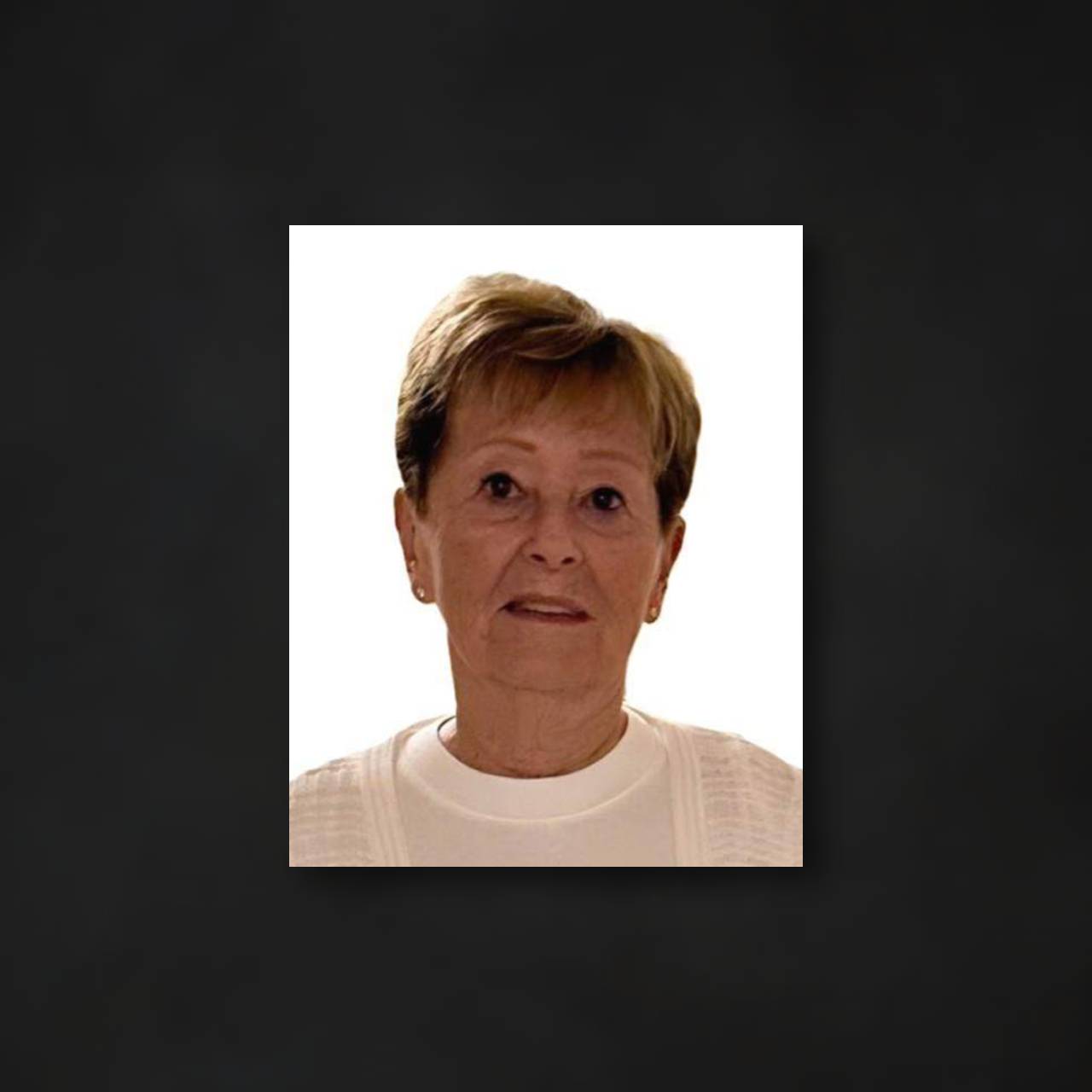
Marcia Zingg, beloved wife, mother, grandmother, businesswoman, and friend, passed away peacefully on September 1, 2026, at the age of 75. Marcia will be remembered for her unwavering love, remarkable strength, generous spirit, and lifelong devotion to her family. She shared 40 wonderful years of marriage with her husband, Jeffrey Zingg, who considered her not only his wife but also his best friend, business partner, and the love of his life. Together, Marcia and Jeffrey built a successful life rooted in perseverance, hard work, laughter, and love. As entrepreneurs in Whitewater, Wisconsin, they owned and managed new car franchises and … Read more

Amanda Jean Hunter was born to Ralph and Malinda (Thomas) Hunter of Whitewater, Wisconsin, on October 6, 1976. She passed away on August 4, in Fort Worth, Texas, where she lived with her family. Amanda passed peacefully in the hospital, surrounded by her loved ones. Amanda was a kind-hearted free spirit with an unmistakable hippie warmth. Generosity, spontaneity, a quick wit, a macabre sense of humor, and an open heart were traits that she embraced. She was a tireless champion of those in need, an innate characteristic that became among the best of her qualities. She proved to be a … Read more
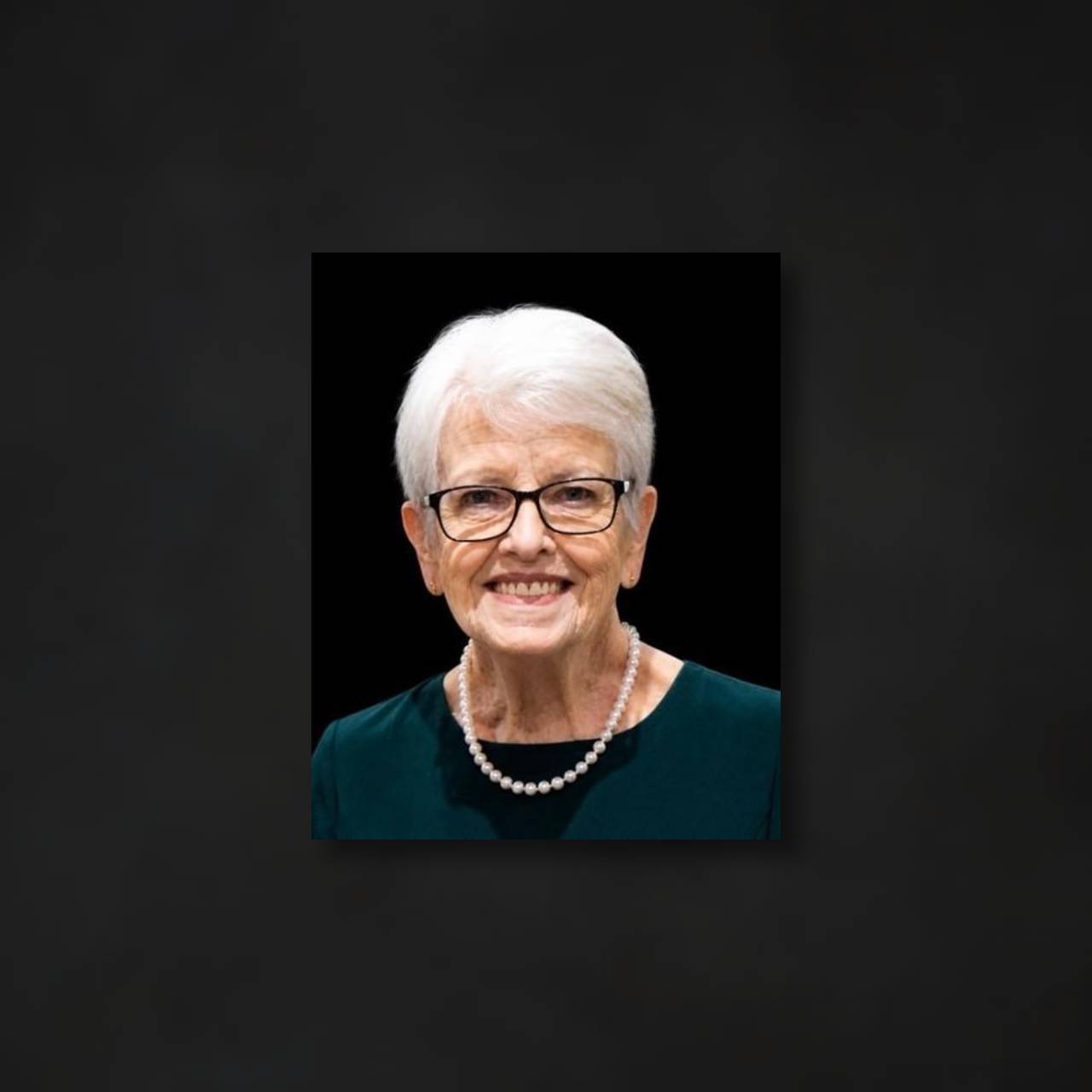
Ellen Eichmiller, 82, of Whitewater, Wisconsin, passed away on Saturday, August 22, 2026. Ellen was born on September 10, 1943, in Monroe, Wisconsin, to Chester “Guy” and Irene (née Holmen) Steig. She married the love of her life, Paul Eichmiller, on December 7, 1963, and together they made their home in Whitewater, Wisconsin. Ellen spent much of her working life as a secretary at the University of Wisconsin–Whitewater, where she formed many lasting friendships and memories. Ellen cherished her family and friends and treasured the time she spent with those closest to her. She was known for her love of … Read more
Janet Quinn, age 71, of Jefferson passed away on Thursday, August 20th. Janet was born on December 22nd, 1954 in St. Joseph, MI to Robert Mounsey and Edith Christison Mounsey. She was a granddaughter to Herbert Bragg Mounsey, Charlotte Mounsey, and Ester Christison West. She married Michael Durden in 1979 and later married Eury Quinn Jr. (J.R.) in 1988. Janet grew up in Benton Harbor, MI, and subsequently lived in New York and Arkansas before moving to Wisconsin in 2016. She was a dedicated caregiver to her disabled Mother, and worked as a custodian for various employers over the years. … Read more
Other Recent Posts
Click on the title to view the post. To open the post in a new tab, press Ctrl (Cmd on a Mac) while clicking on the title.
