












Early City Motto "The Banner Inland City of the Midwest"
The Banner has been serving Whitewater, Wisconsin since August 1, 2006
Today is Friday, October 9, 2026



News & Events
To add an event, click here to go to the Community Calendar. Then, click on Submit Event.
Helpful Links


Search our Archives
To search our archives, enter a search term in the search box, then press enter to search.

Live Life Spiritual Direction Hosts “Stress Management for the Holidays” Workshop in Whitewater
December 3 Event Offers Accessible, Science-Based Tools to Support Emotional and Mental Wellbeing During the Holiday Season
Live Life Spiritual Direction will host Stress Management for the Holidays on Wednesday, December 3, 2025, from 5:30–6:30 PM at The Sweet Spot Café in Whitewater.
This empowering, community-centered workshop is donation-based (pay what you can), ensuring that everyone—regardless of financial circumstances—can access tools for greater peace, clarity, and resilience during the busy holiday season.
“The holidays are beautiful, but they can also be overwhelming,” said Denise Maple, Chief Spiritual Officer of Live Life Spiritual Direction. “People face increased demands on their time, energy, and emotional bandwidth. This workshop gives participants simple, science-backed strategies to manage stress, support their nervous system, and approach the season with more calm and intention.”
About the Workshop
Participants will explore practical and spiritually grounded techniques drawn from mindfulness, neuroscience, and mind-body practices. The class includes guided reflection, stress identification exercises, and easy-to-use tools that attendees can apply immediately—whether navigating family dynamics, work pressures, or personal expectations.
After completing the workshop, participants will be able to:
- Identify core stressors in their daily life
- Understand the power they have over their mind, health, and emotional environment
- Shift stressors into opportunities for insight and resilience
- Reduce anxiety-producing behaviors and thought patterns
- Apply practical steps to create a more balanced, peaceful state of being
Event Details
Event: Stress Management for the Holidays
Date: Wednesday, December 3, 2025
Time: 5:30–6:30 PM
Location: The Sweet Spot Café, 226 W. Whitewater St., Whitewater, WI
Cost: Donation-based (pay what you can)
Registration: https://livelifespiritual.com/events/holiday-stress-management/
About Live Life Spiritual Direction
Live Life Spiritual Direction is where soul-centered wisdom meets practical, grounded guidance. Led by Denise Maple a mind-body-spirit coach who serves as a spiritual life coach, bioenergetic testing practitioner, Reiki Master, and holistic business coach—this work is rooted in the belief that you deserve to live authentically, vibrantly, and in alignment with who you truly are. Denise welcomes clients at her cozy office on Main Street in Whitewater, Wisconsin, as well as
virtually.
Denise founded Live Life Spiritual Direction to help people move beyond merely surviving and step into a life where they can thrive physically, mentally, emotionally, and spiritually. Her approach blends deep spiritual training with over 30 years of business leadership and teaching experience.
As a former Clinical Assistant Professor of Finance at the University of Illinois, honored as a Teacher Rated as Excellent by Students and a Dean’s Impact Award recipient, Denise brings a rare blend of heart, intuition, and grounded expertise. She serves as a compassionate guide to help you unearth and live the Song of Your Soul—so you can expand into your fullest potential with clarity, joy, and confidence.
Editor’s note: Whitewater Unified School District Superintendent Samuel Karns is providing a monthly newsletter which is designed to keep not only parents/guardians and district staff informed, but also the entire community. Shown below are some highlights from the October newsletter. Our apologies for the delay in getting this posted. The entire newsletter may be viewed here.

WUSD Strategic Priorities


Pupil Services
Supporting Students Experiencing Homelessness: Understanding the McKinney-Vento Act
November is designated as National Homeless Awareness Month. In honor of this, I wanted to take a moment to reflect on the homelessness experienced by children and families in the Whitewater Unified School District.
Over the past decade, WUSD staff have been working daily to provide support to students and families experiencing homelessness. In fact, in a school district of roughly 2,000 students, nearly 80 students, or 4%, experienced homelessness for part or all of the school year.
Every child deserves a stable and supportive education, regardless of their living situation. Unfortunately, many students face housing instability due to circumstances beyond their control. The McKinney-Vento Homeless Assistance Act ensures that these students have equal access to the same free, appropriate public education as their peers.
The McKinney-Vento Act provides federal protections and resources for students experiencing homelessness, which may include those living:
- In shelters or motels
- With relatives or friends due to loss of housing or economic hardship
- In cars, parks, or other public places not meant for regular sleeping
- Unaccompanied youth who lack a fixed, regular, and adequate nighttime residence
Under this law, students are entitled to:
- Immediate enrollment in school, even without typical documentation (such as proof of residency or immunization records)
- Transportation assistance to remain in their school of origin, if it is in the child’s best interest
- Access to school meals, extracurricular activities, and support services that promote academic success and stability
- Confidential support through a designated McKinney-Vento liaison, who helps families navigate enrollment, transportation, and community resources
WUSD is committed to identifying and supporting students who may be experiencing homelessness. Staff members receive training to recognize signs of housing instability and to connect families with the district’s McKinney-Vento liaison. The liaison works closely with families to remove barriers to education and link them to additional community supports such as food, clothing, and housing referrals.
If you know of a student or family who might be experiencing homelessness, please reach out to the district’s McKinney-Vento liaison, school principal, or me. Together, we can ensure that every child has a safe, consistent place to learn, grow, and succeed.
With kindness,
Dr. Lanora Heim
Director of Pupil Services


Free Guided Journaling Workshop
Community members are invited to a free guided journaling workshop led by local writer Katy Daixon Wimer. Enjoy reflective journaling prompts and inspiring, lively conversation. Get to know your mind, body, and spirit through writing prompts and oracle cards so you can move towards greater clarity and a deeper sense of self. Bring your own journal or a small one will be provided. Please bring your own pen or favorite writing implement.
Due to library construction, this event will be held at the Cravath Lakefront Community Center at 341 S. Fremont St. in Whitewater on Thursday, December 4 at 6:00-7:30 p.m. This program is for adults. Teens are welcome with a participating adult. Registration is required as space is limited. Visit whitewaterlibrary.org/events to register in advance. You may also email sfrench@whitewater-wi.gov or call 262-458-2782 to register, or with any questions.
Whitewater Unified School District Policy Review Committee – Monday @ 4:30 p.m.
Whitewater Unified School District Central Office
419 South Elizabeth Street, Whitewater, Wisconsin
Whitewater Unified School District Board Governance Workshop – Monday @ 6:00 p.m.
Whitewater Unified School District Central Office
419 S. Elizabeth Street
Whitewater, WI 53190
City of Whitewater Common Council – Tuesday @ 6:00 p.m.
Agenda includes public hearing regarding 2026-2027 City of Whitewater Budget and first reading of Ordinance 2025-O-30 an Ordinance to Amend Section 1.28.020 Access to Exterior Property
Whitewater Municipal Building Community Room, 312 West Whitewater St.
*In Person and Virtual
Citizens are welcome (and encouraged) to join our webinar via computer, smart phone, or telephone.
Citizen participation is welcome during topic discussion periods.
Please click the link below to join the webinar:
https://teams.microsoft.com/meet/27662257587781?p=Qkz979CTOrCvXvbead
Editor’s note: City staff indicates that the “teams” product does not provide a phone number to access the meeting. Citizens may dial (262) 473-0108 to listen to the meeting or to make a comment via the phone in the Community Room.
2025 TIF [Tax Increment Financing] Joint Review Board – Wednesday @ 3:00 p.m.
Agenda includes Review Annual PE-300 Reports and performance and status of the City’s active Tax
Incremental Districts as required by Wis. Stat. § 66.1105(4m)(f).
Whitewater Municipal Building City Manager’s Conference Room 2nd Floor, 312 West Whitewater
St., Whitewater, WI 53190
*In Person and Virtual
Wednesday, December 03, 2025 – 3:00 PM
Citizens are welcome (and encouraged) to join our webinar via computer, smart phone, or
telephone. Citizen participation is welcome during topic discussion periods.
https://us06web.zoom.us/j/82938304198?pwd=IcMJBLehYU6jXCatkgjkRCMBzfwwEX.1
Passcode:989714
Join via audio:
+1 312 626 6799 US
Webinar ID: 829 3830 4198
Passcode: 989714
City of Whitewater Landmarks Commission – Wednesday @ 6:00 p.m.
Agenda includes Update and discussion regarding Starin Park Water Tower and Update and possible action regarding the current condition of the Birge Fountain.
Cravath Lakefront room 2nd floor 312 West Whitewater St
*In Person and Virtual
Citizens are welcome (and encouraged) to join our webinar via computer, smart phone, or
telephone. Citizen participation is welcome during topic discussion periods.
Please click the link below to join the webinar:
https://teams.microsoft.com/meet/21004329372178?p=vErVBqanXnYQ5cCxCQ
Editor’s note: City staff indicates that the “Teams” product does not provide a phone number to access the meeting. Citizens may dial (262) 473-0107 to listen to the meeting or to make a comment via the phone in the Cravath Lakefront Room.
The City of Whitewater – Department of Public Works will deliver sand on Monday, December 1, 2025.
Key Details:
- Residents who want sand for use on public sidewalks during winter should:
o Place a sturdy container (not a cardboard box) at the curb by 7:00 a.m. on Monday, December 1. - If weather or other conditions prevent delivery that week, sand will be delivered as soon as weather permits.
- Reminder: Per City Ordinance 12.20.020, the owner, occupant, and person in charge of any building or lot fronting upon or adjoining any sidewalk shall remove all snow and ice from the sidewalk no later than twenty-four hours after a snow or ice event. The full ordinance can be found at this link.
For questions, contact the Department of Public Works at (262) 473-0560.
Brian Neumeister
Superintendent – Streets/Parks/Stormwater Utility

In nearly whiteout conditions at Perkins Stadium Saturday, the UW-Whitewater football team fell to DePauw 26-23 in the second round of the NCAA Division III Football Championship.
The snow started early this morning and only got heavier as the game went on. UWW’s hard-working field crew had plows out before the game and a contingent of shovelers clearing lines at nearly every break in play.
The Tigers, with the top rush defense in Division III, limited the Warhawks to just 20 yards on the ground, but UWW picked up 221 yards in the passing game. However, it was penalties that proved costly for UW-Whitewater. The Warhawks were flagged for eight penalties for over 100 yards in the contest. DePauw posted 357 yards of total offense including 175 on the ground.
After a scoreless first, the Tigers broke the stalemate with a three-yard rush up the middle for the score. The kick sailed through the uprights for a 7-0 Tiger lead. The Warhawks responded on the next drive. After picking up a first down on three consecutive runs, UWW went to the air — Justin Klinkner dropped back and lofted a ball deep down the middle of the field. Blake Haggerty hauled in the over-the-shoulder catch in stride at the 11 and waltzed into the endzone. Seth Adams hit the point after to tie the game 7-7.
DePauw put together a long drive to set up a Matthew Berry 21-yard field goal with just seconds before halftime. The Warhawks took a knee with just two seconds on the clock to head into the locker room trailing 7-10.
The UW-Whitewater defense provided a spark on the other side of the break. On DePauw’s first drive of the second half, Karsten Libby jumped a passing lane on third down for the pick-six. Libby reined in the interception at the 29 and took it to the house with the extra point giving UW-Whitewater its first lead, 14-10.
The Tigers reclaimed the advantage on the next drive. DePauw hit paydirt on a Ballentine to Ballentine connection from 12-yards out. The extra point made it 14-17 DePauw with less than eight to go in the third.
Adams capitalized on a long drive for the Warhawks, splitting the uprights from 40 yards out to knot the game at 17 as the clocked ticked down to the end of the third quarter.
The offenses kept rolling despite the deteriorating field conditions as the Tigers scored on their next drive. This time the DePauw quarterback lofted a ball to the back pylon. UWW’s defensive back had great coverage, but the receiver tipped the ball and ended up hauling in the catch as he fell to the ground near the sideline, his back clearly out-of-bounds. The side judge was moving toward the play, looking to the back judge to check for a foot down and inbounds. After a second, the back judge threw up his hands to signal a touchdown. Noah Moris got a mitt on the point after attempt, knocking it to the ground near the line of scrimmage. With the failed point after, DePauw led 17-23 with under 12 minutes to go.
The Tigers capitalized on a three-and-out for UWW with another field goal, this time from 24-yards out for a 26-17 lead.
UW-Whitewater responded once again. Klinkner hit Ethan Mitchell on a pass up the middle for 20 yards. Two plays later, Klinkner launched a deep ball to the far hash marks. Jacques Brooks showcased his prowess on the tip drill as the DePauw defender got a hand on the ball, tipping it up for Brooks to pull it down at the Tiger 18 and scamper in for the 45-yard score. The kick was no good as UWW narrowed the gap to three, 23-26 with less than five to play.
The Warhawk defense came up with a huge stop on third down, standing up the Tiger running back at the line of scrimmage to force a punt and get the UWW offense back on the field. The DePauw punt sailed out-of-bounds at the Warhawk 35 as the offense came on with 2:15 left.
A pass interference had the Warhawks at the 50 and another Klinkner to Brooks completion saw UWW into Tiger territory. DePauw stopped the UW-Whitewater drive in its tracks with an interception with less than two to play to seal the game.
Klinkner completed 16 of 22 for 221 yards with a pair of touchdowns and an interception. Haggerty and Vasey each hauled in five catches combining for over 100 yards. Defensively, Ethan Gallagher paced UWW with 11 tackles including a tackle for a loss. Efrein Ramirez joined Gallagher in double figures with 10 tackles. Libby had a phenomenal game with eight tackles, a sack for a loss of two, a pick-six and a pass breakup.
DePauw Postgame Press Conference: https://vcloud.hudl.com/broadcast/embed/3168711
UW-Whitewater Postgame Press Conference: https://vcloud.hudl.com/broadcast/embed/3168712
Editor’s note: The above press release was provided by UW-W Athletics.
The National Weather Service Milwaukee/Sullivan Weather Forecast Office is maintaining the Winter Storm Warning until Sunday at 6 a.m. They continue to estimate that the Whitewater area will receive a total of 9-12 inches of snow and are warning that travel conditions will be deteriorating as drifting occurs and roads become more slippery. Peak blowing snow potential on Sunday is expected to be between 4 AM & 4 PM.


Nearly all Social Security recipients are enrolled in Medicare B, for which they have the premium automatically deducted from their monthly Social Security payment. The Medicare B monthly premium in 2026 will exceed $200 for the first time, as it rises 9.7% to $202.90, an increase of $17.90. It’s the largest percentage increase since 2022, when the premium jumped by 15%.
The Part B deductible — the amount seniors must pay out of pocket before their coverage kicks in— is also rising about 10%, jumping to $283 next year from this year’s $257.
The Social Security Administration set next year’s cost-of-living increase at 2.8%, which will boost the average Social Security check by $56 to about $2,071 per month.
The Medicare Part B premium hike will consume about a third of next year’s average COLA [cost of living adjustment] effectively lowering the rate to 1.9% — far below the current inflation rate of 3%. People with lower monthly benefits could even see an effective COLA of zero, according to the National Committee to Preserve Social Security and Medicare (NCPSSM). The law specifies that the Medicare B premium increase cannot cause a recipient’s Social Security payment to decrease.
Obituaries
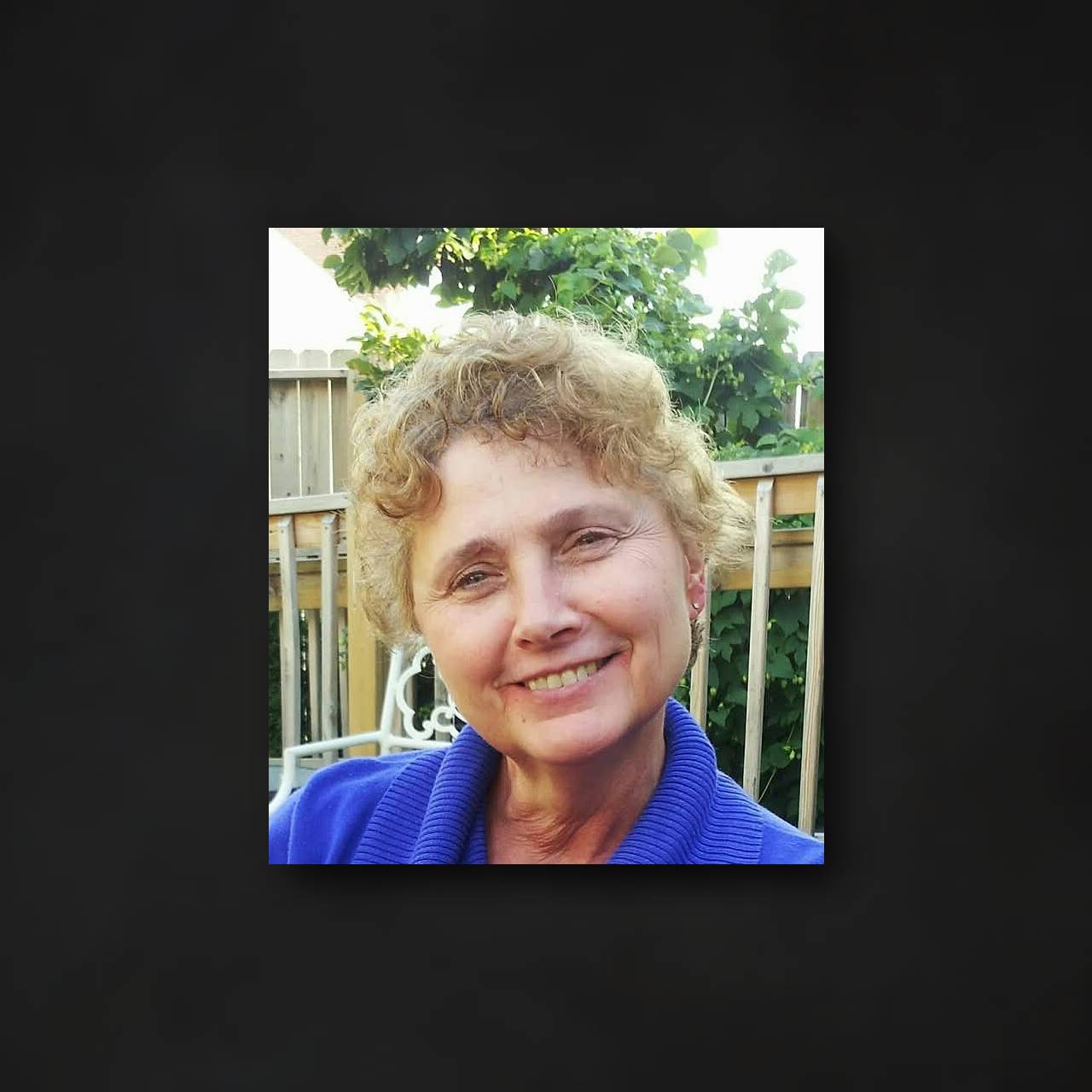
Sally A. Schutte, age 73, of Whitewater, went home to be with her Lord and Savior on September 21, 2026, while at Hearthstone Memory Care in Whitewater. Sally was born on November 6, 1952, to Roy and Elsie (Rohloff) Haas. Sally married William Schutte in the spring of 2003. Sally grew up on the family farm in the Town of Hebron and graduated from Jefferson High School. She dedicated nearly her entire career to Fort HealthCare, where her hard work and versatility shone through various roles. Over the years, she served in housekeeping and medical records, Center for Dermatology. Sally … Read more
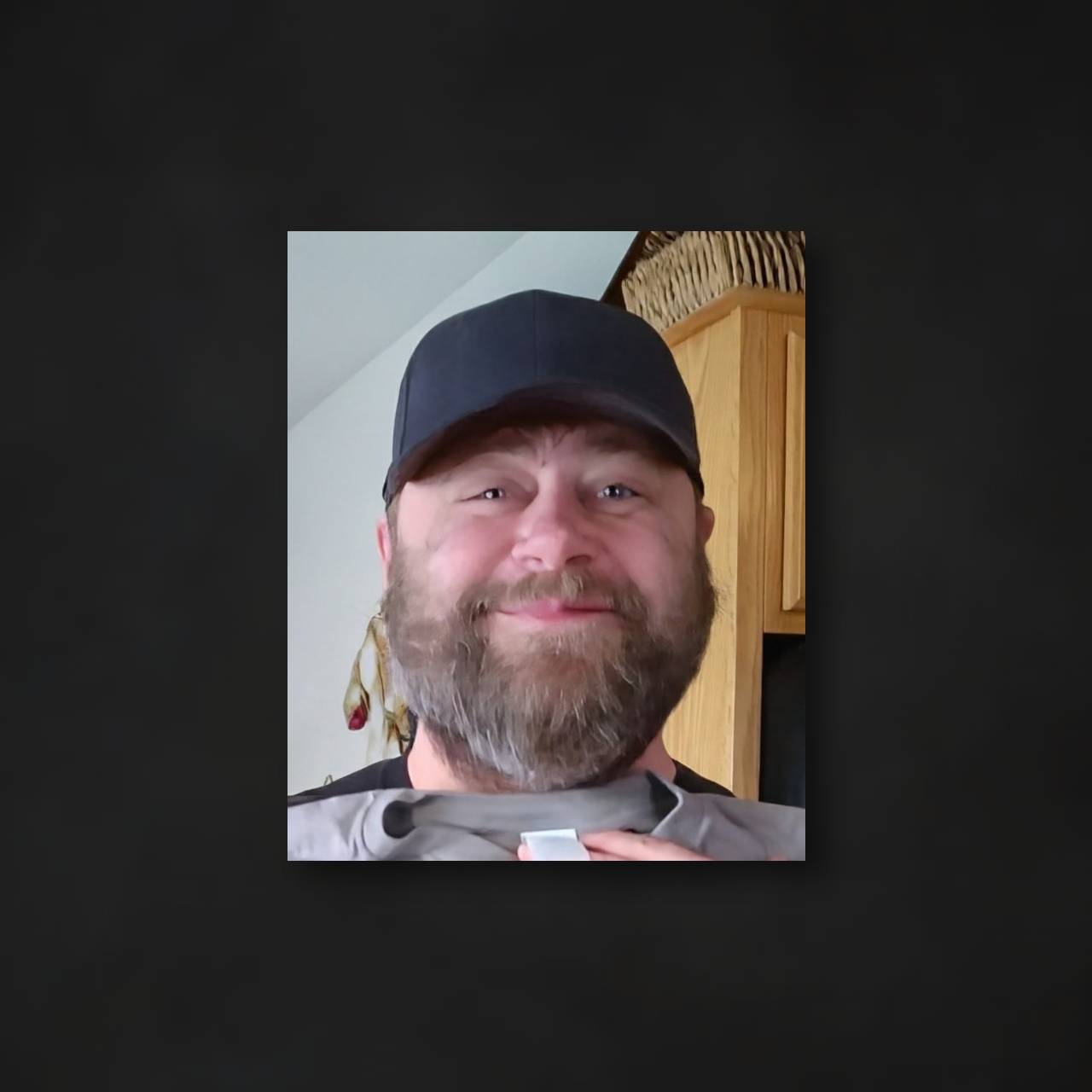
Zachariah “Zach” Schoenke, 41, of Whitewater passed away peacefully on Tuesday, September 22, 2026. He was born April 4, 1985, to Keith W. Schoenke and Kathleen Schoenke in Fort Atkinson, WI. He grew up and graduated from Whitewater High School in 2003. Zach worked various jobs over the years but was currently working at Cracker Barrel in Janesville. He was a big Packers Fan and liked to play fantasy football. He enjoyed reading, cooking, and watching horror shows. Zach fiercely loved his son, Lincoln, his sisters, Cami and Cary, his mom and stepdad, and his aunt Robin. He will be dearly … Read more
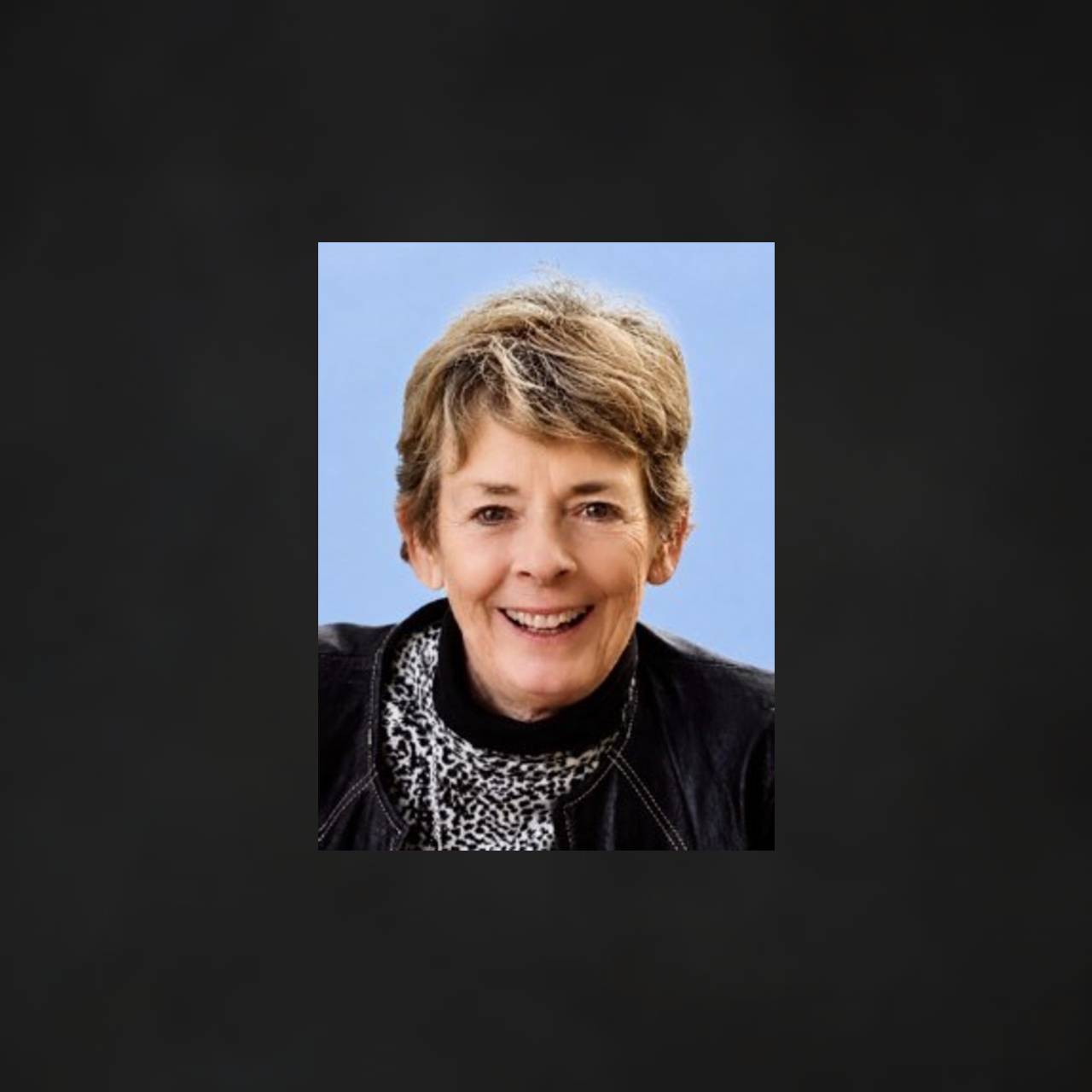
Carla Winn, 82, died September 5, 2026. Funeral Service will be at 12:00 PM, Saturday, September 12, 2026, at East Heights United Methodist Church, 4407 E Douglas Ave, Wichita, KS 67218, followed by a burial at 2:00 PM at White Chapel Memorial Garden 1806 N Oliver Ave. Carla is preceded in death by her parents, Vivian Dwight and Wilma Lois Krehbiel; and sister, Jennifer Krehbiel. She is survived by husband, Stephen; daughter, Ashley (Clint) Gagel, of Overland Park; siblings, Paul (Kay) Krehbiel, of Socorro, NM, Lynn (Bill) Oetting, of Wichita, Ellen (John) Querner, of Wichita, Teresa Woodson, of Lawrence, KS, … Read more

Susan Miller Celebration of Life There will be a gathering of friends and acquaintances at Susan’s Farm Store to celebrate Susan’s life on Saturday, September 19th from 2-5 p.m. at N6623 Lake Lorraine Rd., Delavan, Wisconsin
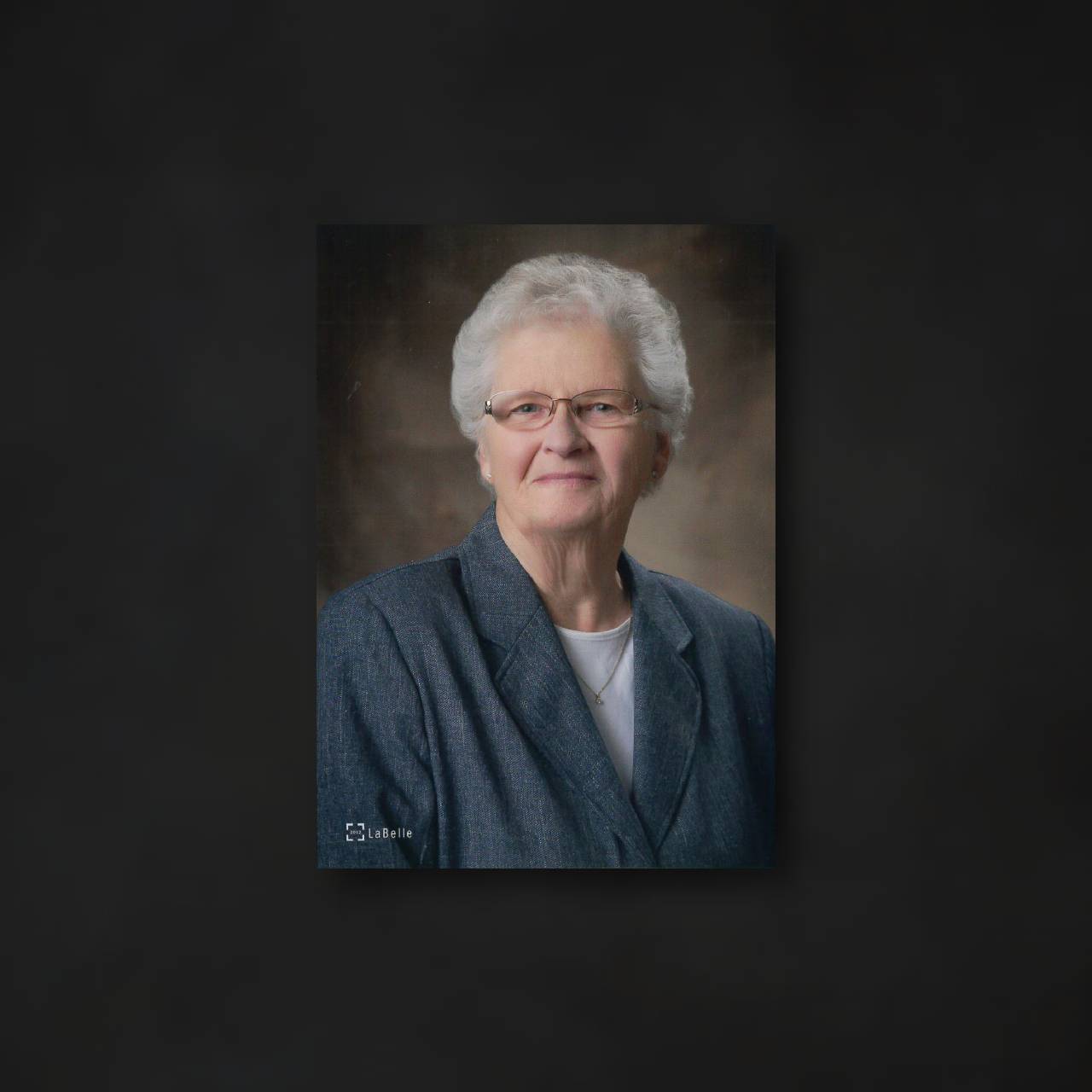
Our loving mother, JoAnn E Harrop, age 95, passed away on September 11, 2026. Our sorrow is deep, but we are filled with gratitude for the many years we had with her. Even as her mind was failing, she remained strong and appreciative of all who cared for her. JoAnn was born on January 13, 1931, daughter to Fred Braun and Evelyn Braun {Storck). She was raised in Whitewater, Wisconsin by her grandparents, Otto and Edith Storck. She attended Whitewater High School and helped at the Storck tavern where she met her husband Earl C. Harrop. They married on November … Read more
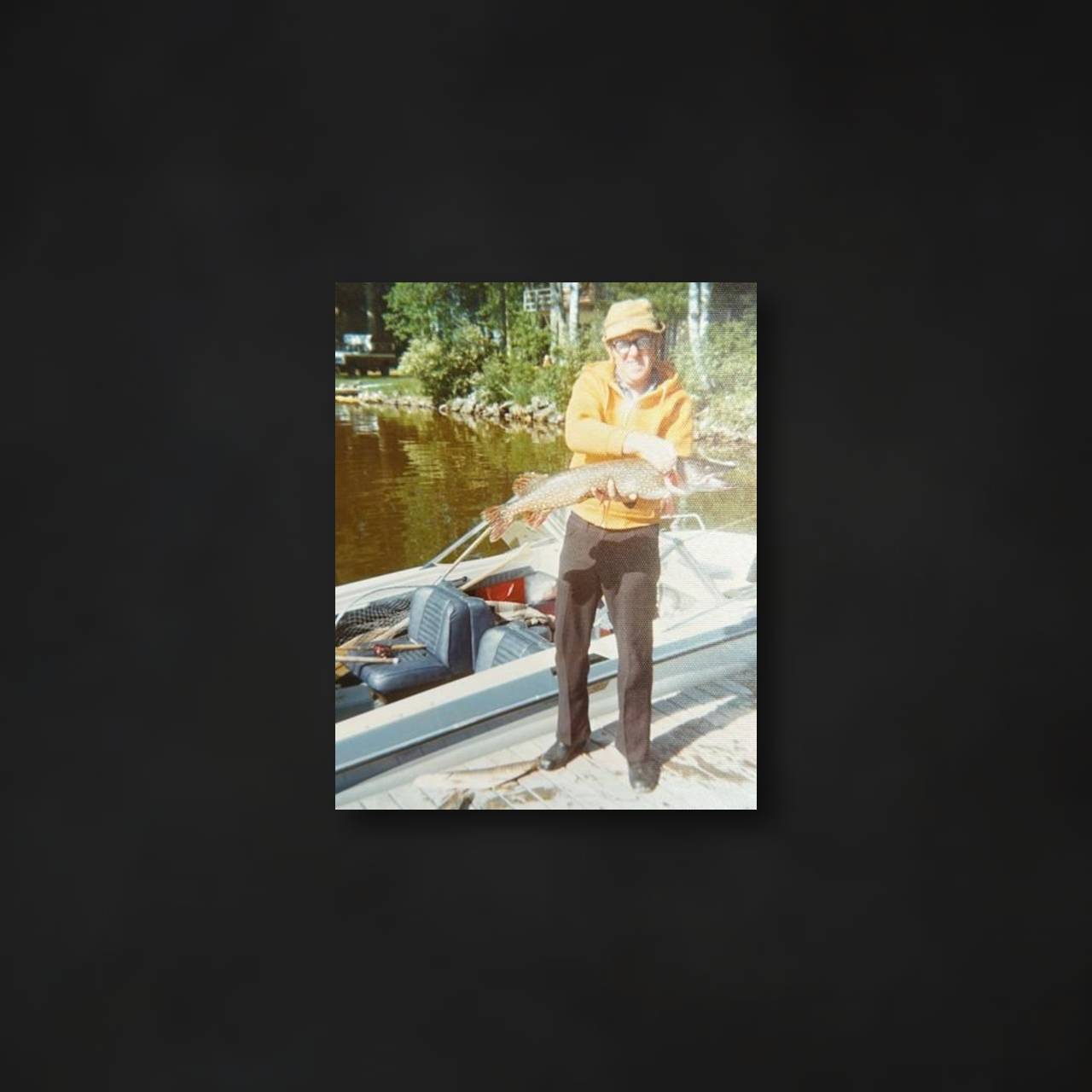
Russell O. Johnson “Russ,” 88, passed away on September 4, 2026 in Whitewater, Wisconsin. Russell was born on July 12, 1938, in Janesville, Wisconsin. Russ grew up in Janesville, and after high school he joined the Air Force on May 1, 1958, serving as an aircraft mechanic until June 12, 1962. He then worked at Parker Pen in Janesville for a time, where he met his future wife, Avis. After marrying Avis Mason in April 1964, Russ worked for Gillman Manufacturing for a time, then began a career at Dana until its closing in 1980. In 1981, Russ started working … Read more
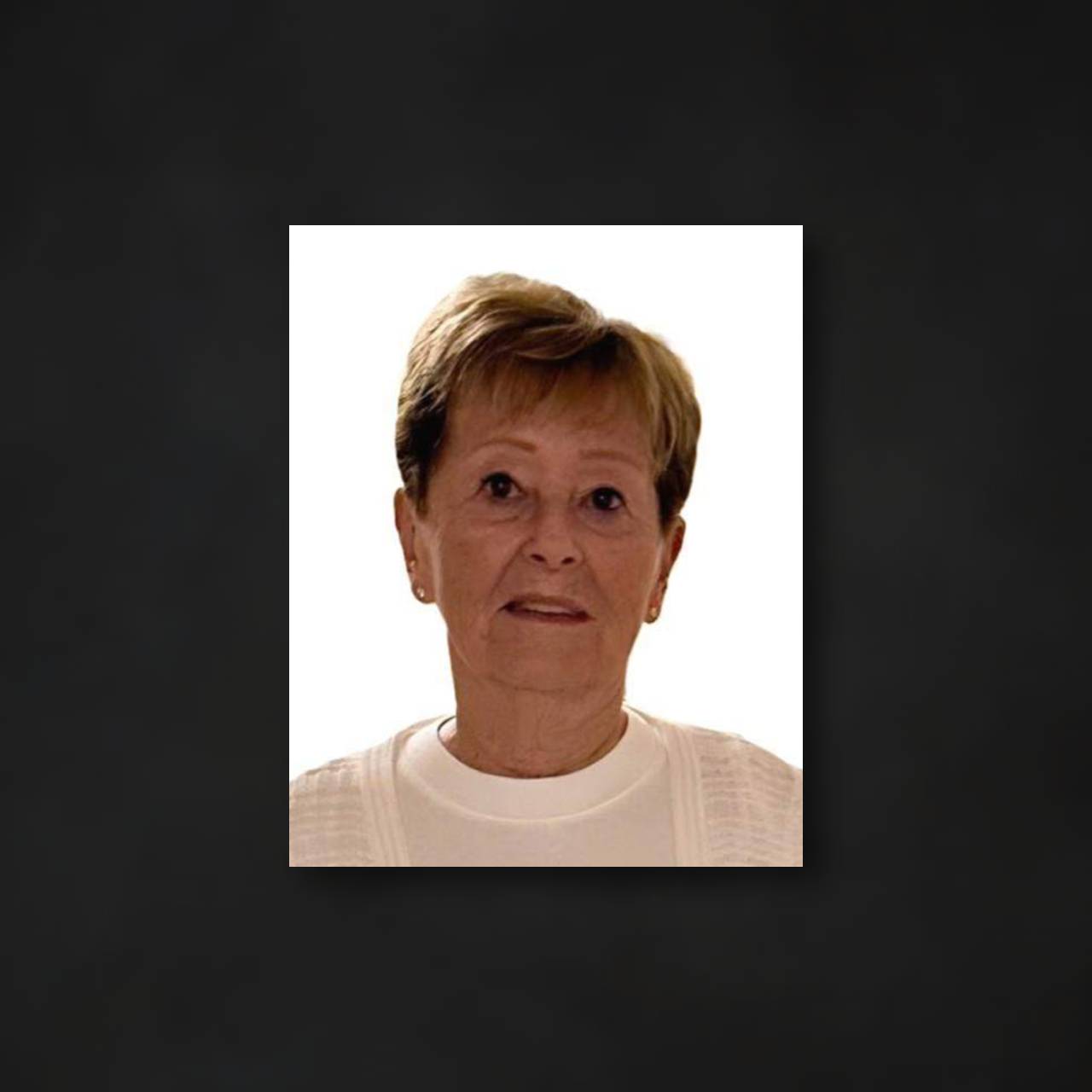
Marcia Zingg, beloved wife, mother, grandmother, businesswoman, and friend, passed away peacefully on September 1, 2026, at the age of 75. Marcia will be remembered for her unwavering love, remarkable strength, generous spirit, and lifelong devotion to her family. She shared 40 wonderful years of marriage with her husband, Jeffrey Zingg, who considered her not only his wife but also his best friend, business partner, and the love of his life. Together, Marcia and Jeffrey built a successful life rooted in perseverance, hard work, laughter, and love. As entrepreneurs in Whitewater, Wisconsin, they owned and managed new car franchises and … Read more
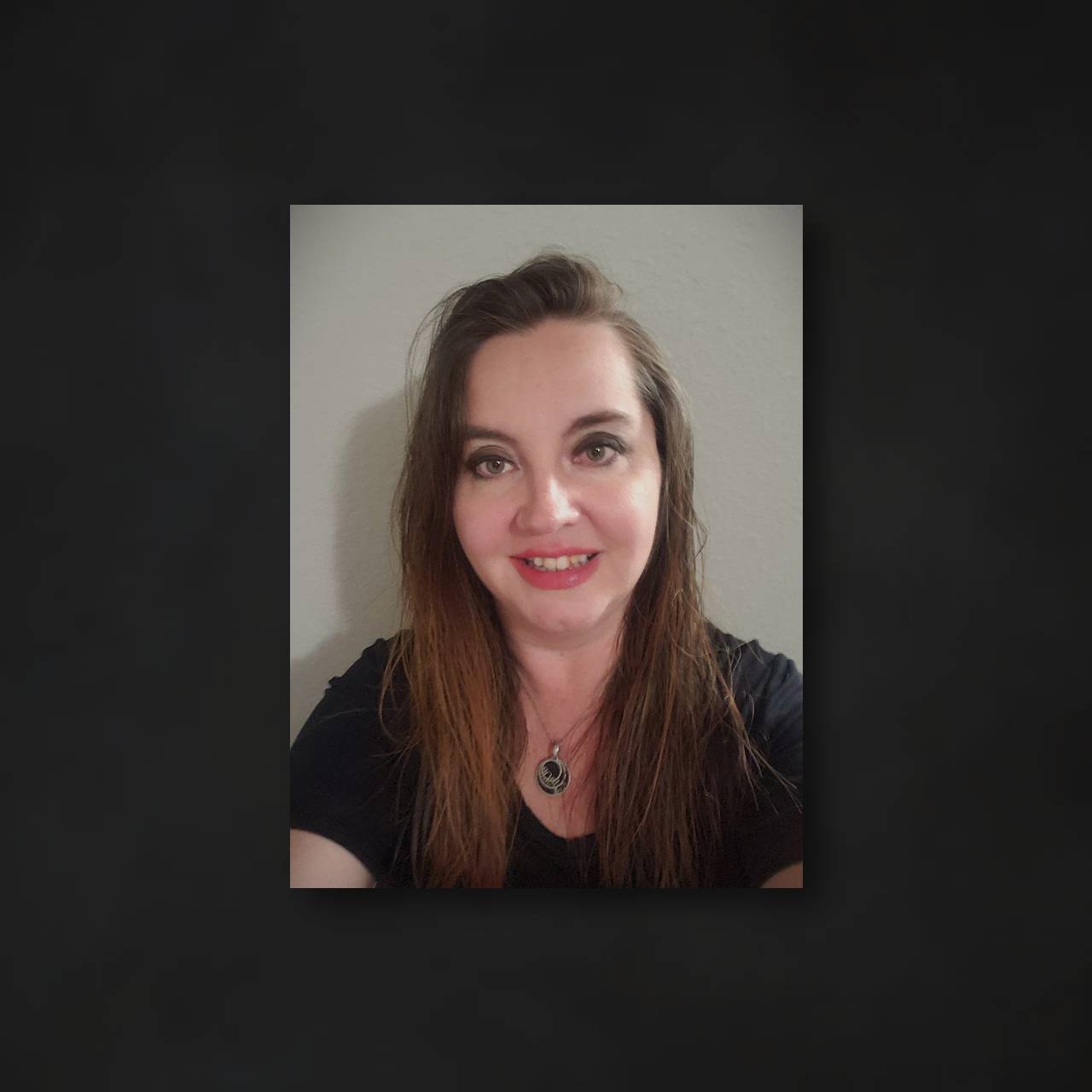
Amanda Jean Hunter was born to Ralph and Malinda (Thomas) Hunter of Whitewater, Wisconsin, on October 6, 1976. She passed away on August 4, in Fort Worth, Texas, where she lived with her family. Amanda passed peacefully in the hospital, surrounded by her loved ones. Amanda was a kind-hearted free spirit with an unmistakable hippie warmth. Generosity, spontaneity, a quick wit, a macabre sense of humor, and an open heart were traits that she embraced. She was a tireless champion of those in need, an innate characteristic that became among the best of her qualities. She proved to be a … Read more
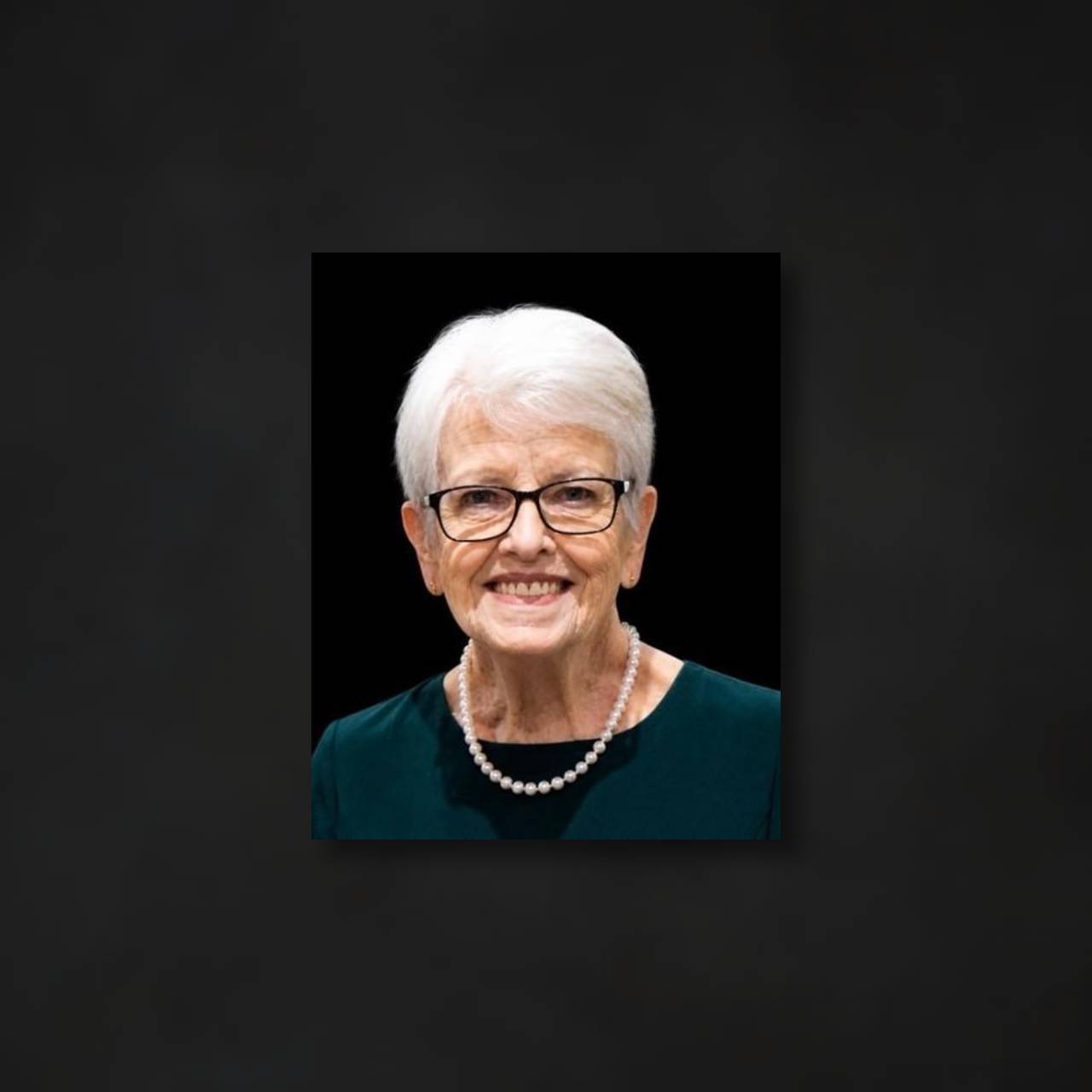
Ellen Eichmiller, 82, of Whitewater, Wisconsin, passed away on Saturday, August 22, 2026. Ellen was born on September 10, 1943, in Monroe, Wisconsin, to Chester “Guy” and Irene (née Holmen) Steig. She married the love of her life, Paul Eichmiller, on December 7, 1963, and together they made their home in Whitewater, Wisconsin. Ellen spent much of her working life as a secretary at the University of Wisconsin–Whitewater, where she formed many lasting friendships and memories. Ellen cherished her family and friends and treasured the time she spent with those closest to her. She was known for her love of … Read more
Janet Quinn, age 71, of Jefferson passed away on Thursday, August 20th. Janet was born on December 22nd, 1954 in St. Joseph, MI to Robert Mounsey and Edith Christison Mounsey. She was a granddaughter to Herbert Bragg Mounsey, Charlotte Mounsey, and Ester Christison West. She married Michael Durden in 1979 and later married Eury Quinn Jr. (J.R.) in 1988. Janet grew up in Benton Harbor, MI, and subsequently lived in New York and Arkansas before moving to Wisconsin in 2016. She was a dedicated caregiver to her disabled Mother, and worked as a custodian for various employers over the years. … Read more
Other Recent Posts
Click on the title to view the post. To open the post in a new tab, press Ctrl (Cmd on a Mac) while clicking on the title.
