



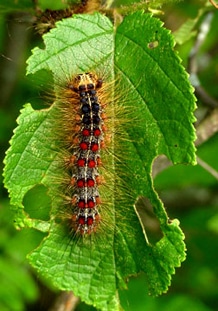
Recent findings indicate the presence of spongy moths in the local vegetation surrounding Starin Park. While these moths pose no direct threat to humans or animals, it is important for citizens to remain vigilant and take necessary precautions to prevent potential damage to their own outdoor spaces.
Spongy moths, scientifically known as Lepidoptera Porifera, have been observed in increased numbers due to favorable weather conditions and abundant nearby vegetation. These unique moths possess a sponge-like abdomen and rely on plants as their primary food source.
To safeguard the health and vitality of vegetation in private outdoor spaces, citizens are urged to consider the
following recommendations:
- Monitor your vegetation: Regularly inspect plants and trees in your garden or yard for any signs of spongy moths, such as larvae or cocoons.
- Mitigate potential damage: Take appropriate measures, such as pruning infested branches or using environmentally friendly pest control methods, to minimize potential damage caused by spongy moths.
- Educate yourself and others: Learn more about spongy moths, their lifecycle, and preventive measures to help spread awareness among neighbors, friends, and family.
By staying informed and proactive, citizens can contribute to the conservation of local vegetation and prevent
the further proliferation of spongy moths. Together, we can preserve the beauty and health of our outdoor
spaces.
Editor’s note: This DNR link has photos of various spring defoliator caterpillars.
From this DNR site: Spongy moth populations may have a temporary, large increase (an “outbreak”) in an area about every 10 years. Defoliation of susceptible tree and shrub species may be widespread during outbreaks, although healthy trees and shrubs are likely to survive if they are defoliated. High caterpillar numbers can be a tremendous nuisance. In addition, the caterpillar hairs can cause skin rashes and other reactions in some people. Management options [exit DNR] for reducing high populations include: egg mass oils, barrier and collection bands, physically destroying life stages, drowning egg masses and caterpillars in a can of soapy water, insecticidal soaps and insecticide application to high-value trees or forest stands.
V