



















Early City Motto "The Banner Inland City of the Midwest"
The Banner has been serving Whitewater, Wisconsin since August 1, 2006
Today is Saturday, October 10, 2026



News & Events
To add an event, click here to go to the Community Calendar. Then, click on Submit Event.
Helpful Links


Search our Archives
To search our archives, enter a search term in the search box, then press enter to search.


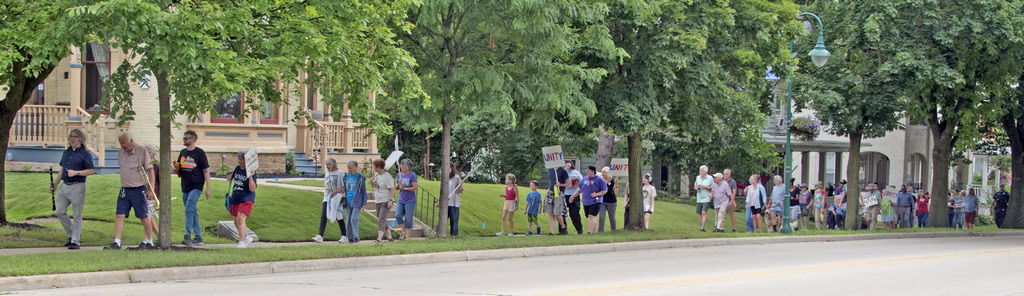
The Second Annual Unity Walk occurred on Saturday, July 12. Live music by six
musicians, including an Irish fiddler, serenaded walkers at the Armory as they visited the tables of GroCo, Whitewater Police, Whitewater Creek Coalition, Mom’s Demand Action Against Gun Violence, Whitewater Urban Forestry, the City of Whitewater, and the Whitewater Unified School District prior to the Unity Walk. After a welcome by Orin Smith of the Whitewater Common Council and performances of the national anthems of the United States and Ukraine, the “Walk-Off speech was given by Jorge Islas-Martinez of the Immigration Support Coalition. The musicians then led walkers to the steps of the Arts Alliance building where Brienne Brown – Assembly District 43, Jenny Rule – Mom’s Demand Action Against Gun Violence, and Samuel Karns – Superintendent of Whitewater schools addressed the gathering. Each speaker delivered a unique inspiring speech to bring Whitewater together. The nonpartisan Second Annual Unity Walk positively unified our Whitewater commUNITY. Pictures by Tom Ganser
By Lynn Binnie
Whitewater Banner volunteer staff
whitewaterbanner@gmail.com
In recent weeks drivers who have discovered road closures on Franklin Street, Esterly Avenue and Prairie Street may have wondered what is causing the inconvenience. The city is in the midst of a major project to remove all of the lead water pipes that were installed decades ago.
Of particular interest is the fact that parking and traffic downtown on Main Street will be affected by this project beginning the week of July 21. See the bold text at the bottom of this article.
The Whitewater Banner asked Public Works Director Brad Marquardt and Water Superintendent Josh Hyndman the questions that are in italics below. We appreciate their taking the time to provide a very comprehensive reply.
How many lines are being replaced, and approximately how many have been completed? There are approximately 150 water lines on the public side (water main to the curb stop) and approximately 160 water lines on the private side (curb stop to the meter in the house). I say approximate because as the project progresses, we are finding copper laterals where we thought we had lead and vice versa. A lot of this was due to partial replacements in the past. There was a leak and only some of the pipe was replaced and the records were not entirely correct. They are not quite halfway through the project.
The project is entirely funded by the federal government? The City is receiving a Safe Drinking Water Program [SDWP] Loan for this work. The work on the private side has Principal Forgiveness. The replacement on the private side would typically be the responsibility of the property owner. But with the Principal Forgiveness, the property owners will not have to pay anything. The work on the public side is being financed through the SDWP Loan at a 0.25% interest rate.
Will this remove all the lead pipes in the city, or will there be commercial/institutional buildings that may still have them? This will remove all lead pipes except a few public side laterals on Jefferson Street that will be replaced next year with the Jefferson Street reconstruction project.
What is the level of risk that residents may have had with using water from the pipes? This is taken from our website: Lead in the Environment
Lead is a naturally occurring metal that can be toxic to humans and animals if ingested. It can be found in the air, soil, water, and inside our homes. Lead has been used in many products found around the home in the form of paint, ceramics, plumbing materials, gasoline, batteries, and cosmetics. When lead is released into the air, it can travel long distances before settling to the ground.
As you know, exposure to lead in drinking water can cause serious health effects in all age groups. Infants and children can have decreases in IQ and attention span. Lead exposure can lead to new learning and behavior problems or exacerbate existing learning and behavior problems. The children of women who are exposed to lead before or during pregnancy can have increased risk of these adverse health effects. Adults can have increased risks of heart disease, high blood pressure, kidney, or nervous system problems. Click here to view more information regarding the health effects of lead.
Please share this information with anyone who drinks and/or cooks using water at your property. In addition to people directly served at your property, this can include people in apartments, nursing homes, schools, businesses, as well as parents served by childcare at your property.
Lead and Drinking Water
Although the majority of lead exposure comes from sources around the home and in the environment, the Environmental Protection Agency (EPA) estimates that between 10 – 20% of lead exposure comes from drinking water. Lead service lines were typically installed before 1950. Lead pipes are dull gray in color and are soft enough to be easily scratched with a house key. Also, a magnet will not stick to a lead pipe.
Whitewater’s water does not have lead present when it leaves our wells and our water mains do not contain lead. However, water can be contaminated as it travels through the lead service pipes that connect some older homes to the water mains, since these service pipes can slowly corrode over time. You can easily determine if your water service line is lead by inspecting the water line entering your home from the street, usually located in the basement.
There are a number of factors that can contribute to the amount of lead that enters your drinking water, including the corrosivity of the water, the temperature of the water as it passes through the pipes, and the length of time between water use while the water remains idle in the pipes. Hot water and water that has been sitting in the pipes for long periods of time are more likely to pick up contaminants from the pipes and fixtures. The City of Whitewater Utility tests the drinking water each year for contaminants, including lead, to ensure that your drinking water continues to be safe to drink.
Approximately how long is it going to take to complete? The project is scheduled to be completed by early September. Some of the work is weather dependent, which could add some days to the project.
Can you give an approximate timeline of what streets come next? Streets remaining after Franklin Street include W. Main Street downtown, Prairie Street north of Main Street and then the majority of the service lines that are left are south of Main St, west of Franklin Street, north of Walworth Ave and east of Prince Street.
They will start on North Prairie and Starin and work to the south. They are going to do all the water services that are Public side or Utility ones. They don’t always have a drill rig with them to bore into the house. They are able to pull the water services from the curb stop or main shut off and pull new 1” copper back with it to the water main. They will have it ready to have a drill rig come in and knock out the full water service lines or the water lines that are going into the homes.
Any other info that may be of interest to the public? All property owners who have a known private side lead water service line have been notified. This was done to obtain permission to enter the house.
…W. Main Street between Whitewater Street and 2nd Street has 24 service lines that need to be replaced. In order to expediate this work, the contractor is bringing in a second crew. This work will cause some disruptions to the traveling public. Starting July 21st, there will be no parking on either side of W. Main Street between Whitewater Street and 2nd Street. Westbound traffic will be detoured using Whitewater Street and Franklin Street. Eastbound traffic will be shifted to the south parking lane to allow room for the contractor to work. The contractor is hoping to have all water service lines replaced during the week of July 21. Restoration of sidewalks, curb and gutter, and asphalt pavement is scheduled for the week of July 28. All work is anticipated to be complete and the street and parking back open by August 1st.

Savory Sounds Concert Featuring Ken Lonnquist & Friends
:: Folk: Folk artist with humorous and environmental songs, inspired by legends like Woody Guthrie. There will be a special children’s workshop, offering fun, hands-on activities inspired by the day’s music.
:: Sponsored by Fairhaven Senior Services (sponsoring the family event)
:: Free Frozen Custard: Courtesy Culver’s of Whitewater
:: Food Vendor: Sweet Spot
Thursday, July 17, 11:30 am-12:45 pm Flat Iron Park, 402 W. Main Street (by the Birge Fountain)
Concert Times: All concerts are held on Thursdays from 11:30am – 12:45pm.
- Location: Outside the Cultural Arts Center (CAC) / Flat Iron Park (next to the Birge Fountain), 402 W Main St, Whitewater.
- Rain or Shine: Normally held outdoors on the lawn. In the event of inclement weather, the concerts are moved inside the CAC and seating is provided.
- Seating: If the concert is held outside, please consider bringing a lawn chair or blanket. A few picnic tables and benches around the Birge Fountain are also available.
- Food & Refreshments: Food and other refreshments will be available from the food vendor or bring your own lunch.
- Parking: CAC lot and city street parking is available with additional parking available at First English Lutheran Church.
Savory Sounds Sponsors:
- Anonymous Donor
- Coburn Company
- Culver’s of Whitewater
- D.L.K. Enterprises
- Fairhaven Senior Services
- Harbor Homes
- TDS
Emily McFarland, City of Whitewater Interim Economic Development Director, will be presenting two housing related reports to the Community Development Authority Board of Directors meeting on Thursday, July 17 at 5:30 p.m. The reports are titled Housing Strategy Update and Presentation Stonehaven Development.
Andrea Svec submitted the following announcement to The Whitewater Banner on behalf of Common Sense Citizens. The Banner does not have a position on this matter.
_________________________________________________________________
No more subsidized apartments in Whitewater!
Let YOUR voice be heard on Thursday, July 17th at 5:30 p.m. at the City Development Authority meeting!
Do you want MORE apartments in Whitewater? How about paying for those apartments with a tax increase brought on by TIF subsidies over the next 17 years?
The City of Whitewater is pushing for more high and medium density apartments to be built in Whitewater. As an incentive to the builders, our city is pushing to use Tax Increment Financing (TIF). The City of Whitewater is trying to award TIF subsidies at more than 20.9% and as high as 24.7% of the assessed project value to the developers. Surrounding communities such as Elkhorn and Waterford are paying developers between 7-12.5% subsidies. The estimated subsidy total for TIF approved Whitewater housing and apartment projects is approximately $23,339,589.00.
If an apartment developer would like to build in Whitewater – why does Whitewater have to subsidize at those rates? The developer has little to no skin in the game because if no one wants to rent those apartments at the rates suggested – the government could subsidize those apartment rents through section 8 and 42 housing programs. If a builder thinks his apartments will be filled – there is no reason for the taxpayer to entice him with money to build those apartments.
Things to consider:
– There could be tax increases for all residents. A city resident with a home valued at $300,000 could easily reach an additional $235 in taxes per year. Another levy for a new grade school could result in an increase of an estimated $207 per year affecting citizens in the City as well as the Town of Whitewater
– TIF dollars have traditionally been used to bring in business. Whitewater needs more jobs. Bring in the business. New citizens will follow
– Whitewater is already 70% rental – one of the highest rental communities in Wisconsin. We should be focusing on new and existing residential structures for families
– TIF dollars can be used for blight to help restore existing structures in our neighborhood
– Emergency and City services could be strained resulting in additional fees and taxes to accommodate the increased citizen needs
The Whitewater Common Sense Citizens (www.wwcsc.org) group and others are fighting for lower taxes and for a housing development strategy that makes sense for ALL citizens. We need your help. Please support our efforts by joining us at City Hall on Thursday, July 17th at 5:30 p.m.. You can find more information about the meeting here.
Editor’s note: First published in the Spring 2025 issue of On Wisconsin magazine, the publication for UW-Madison alumni and friends. We appreciate having permission to post on The Whitewater Banner.
For the Love of a Pet: A UW veterinary clinic provides affordable care for owners experiencing hardship
By Meghan Lepisto ’03, MS’04 Photos by Bryce Richter
One thing you notice about WisCARES is the kindness. It’s a place where happiness abounds, even among some of life’s most unhappy circumstances.
In a sparkling-clean silver cage, a black kitty rears up like a tiny lion, front paws in the air, jostling a shiny pink ball that a student just selected for her. A few feet away, a wiggly gray puppy tosses an oversized toy and smooshes it until it squeaks.
Through a door and down the hall, the owners of these and other animals wait patiently in exam rooms. As they pass the time, many concerns — not limited to their pet’s health — might weigh on their minds. At this veterinary clinic, those facing tough challenges seek care for their treasured companions.
Wisconsin Companion Animal Resources, Education, and Social Services, or WisCARES for short, provides veterinary medical care, housing support and advocacy, and other social services to Dane County [and any other WI county] pet owners experiencing homelessness, housing instability, or financial hardship.
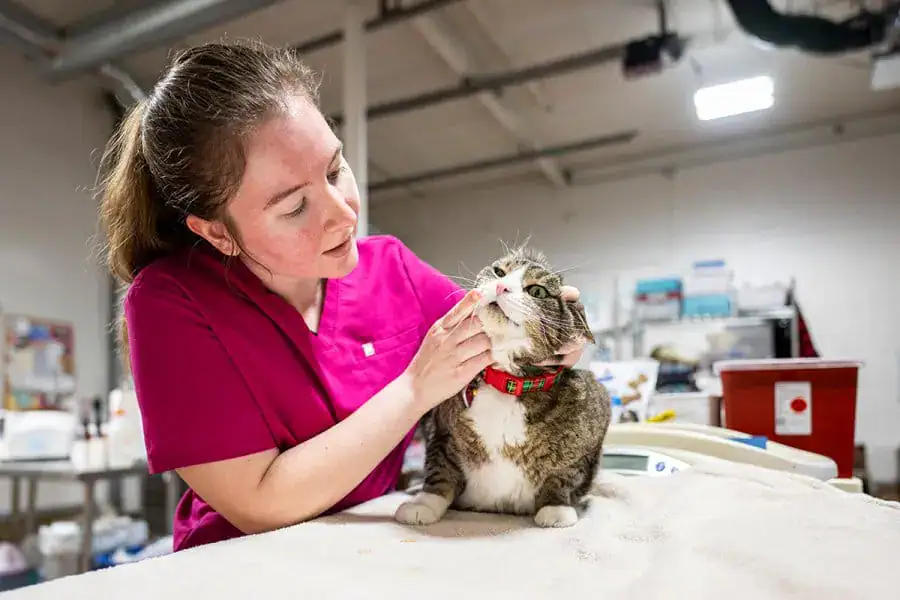
“WisCARES serves people who would not be able to seek care for their pets,” says Lyn Empey DVM’98, a veterinarian with the clinic. “Seeing how much [WisCARES clients] love their pets and would do for their pets, then being able to provide services for them and seeing them be so incredibly grateful — there’s nothing better than that.”
The program is led by the UW School of Veterinary Medicine, with support from the Schools of Social Work and Pharmacy. Its mission has four parts. The clinic works to keep pets with their families and empowers people to care for the animals through free or low-cost veterinary medicine. The team helps clients gain access to housing, social support services, and human health care. Student training is constant, preparing well-rounded veterinarians and other health professionals. And because the same societal challenges occur nationwide, WisCARES shares what it learns and models what is possible.
The team says a “one health” approach — connecting the dots between people, animals, and their environment — guides its work. It’s veterinary medicine with the utmost compassion for people, too.
Pets and Poverty
Based in south Madison, WisCARES is taking a local approach to a problem that is national in scope.
Within Dane County, one-third of households can’t afford basic needs. That number grows to 41 percent nationally.
About two-thirds of U.S. households have a pet, a segment that varies only slightly based on socioeconomic status.
In a recent national poll, the Humane Society found that 43 percent of pet owners couldn’t pay for their pets’ needs at some point due to financial reasons. Moreover, the organization estimates that 20 million pets in the U.S. live in poverty with their families, and 70 percent of those animals have never seen a vet.
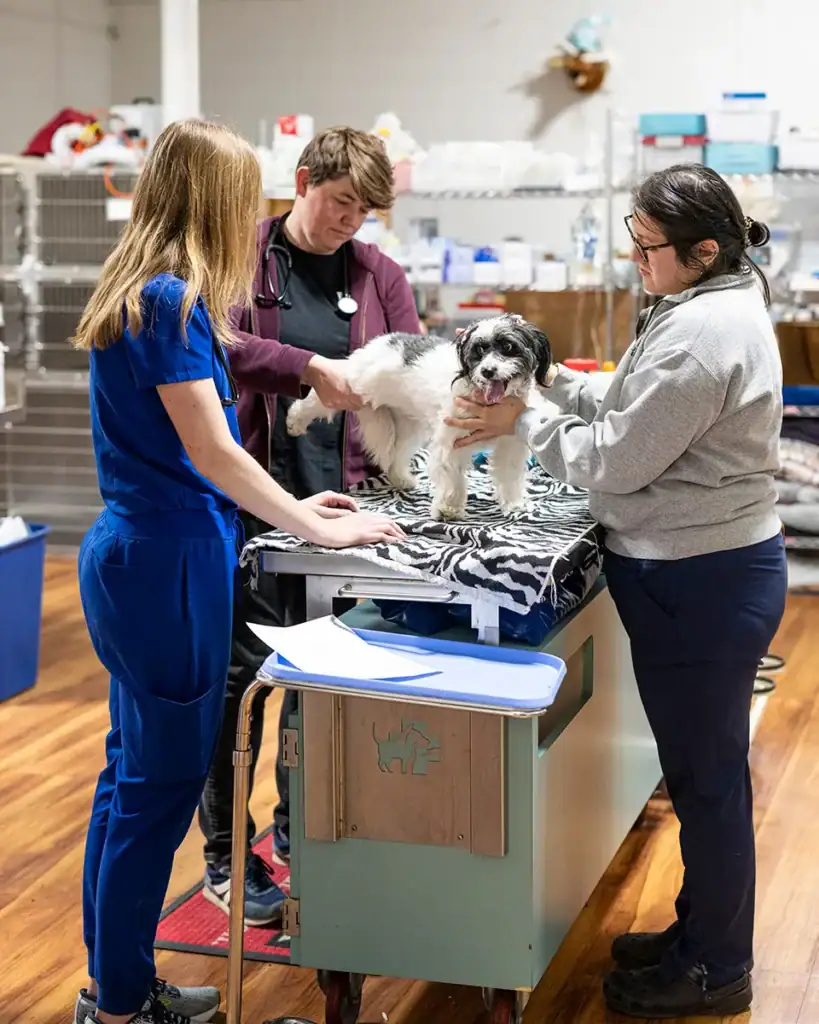
“There is a huge group of people who simply cannot afford to go to a regular veterinary clinic,” says Empey.
Ruthanne Chun ’87, DVM’91, a veterinary oncologist and the program’s director, knows what you might be thinking.
“If you don’t have the money to take care of an animal, you shouldn’t have it. We hear that a lot,” she says. “Well, if I don’t have $10,000 to put my animal through a chemotherapy protocol, should I not have that animal? That’s crazy, right? So, where’s the cutoff when you make that kind of a statement?”
WisCARES encourages a more compassionate approach that acknowledges the causes of poverty, the downstream impacts of financial hardship, and the immense benefits that pets and people gain from life together.
“Any client who comes in, that human–animal bond, that connection, is so real and so beneficial,” says Liddy Alvarez, a primary care veterinarian who directs the program’s curriculum.
Willow Williams ’21, DVMx’25, now in her fourth year as a veterinary medical student, has worked at the clinic since 2019. The core of its mission, she says, is making sure that “we are able to support both animals and humans. WisCARES and other places that provide access to care are allowing people to stay with their pets, and that is invaluable.”
So Few Options
To qualify for WisCARES services, clients share proof that they have low income or are experiencing homelessness. About 10 percent of current clients are without housing. Many also face transportation, disability, and language barriers to care.
Clinic staff do what they can to reduce clients’ obstacles, providing cab service, Spanish translation, or accommodations for people with limited mobility — “little things to help when the physical task of treating their animal is difficult,” explains Kelly Schultz ’05, MS’11, DVM’15, WisCARES’s medical director and lead clinical instructor. “I hope the pet owners feel cared for and seen, because a lot of our clients move through the world in a way that is uncaring and invisible. … I want them to feel like any other pet owner.”
WisCARES was founded as a student initiative [see the article after this one.] The School of Veterinary Medicine adopted and expanded the program in 2013, starting humbly through street outreach. Next, it hosted two-hour veterinary clinics at the Tenant Resource Center and Salvation Army twice a month. Then came a physical space — a donated Quonset hut — where for several years they built their client base by word of mouth.
In 2018, the clinic relocated to a newly renovated facility. Its footprint grew dramatically, as did its services. It added surgery, dentistry, an X-ray machine, and in-house lab testing. It also expanded its hours to Monday through Friday and hired additional staff. Then the economic crisis of the COVID-19 pandemic brought an influx of new clients.
On the heels of its 10th anniversary, the team sees more need than ever.
“A lot of people call us every day, and we can’t see a lot of them. That can be tough,” Schultz says. “We would like to increase our capacity. There are so few options if you can’t afford veterinary care.”
WisCARES is an early adopter of serving vulnerable communities within veterinary medicine.
“As an interprofessional program that has a brick-and-mortar clinic open five days a week, we’re one of the first and only clinics leading that charge,” Schultz says. The team shares its experiences and knowledge nationally through presentations, publications, advisory panels, and more.
An Absolute Blessing
On average, WisCARES sees 80 to 100 pets per week. Appointments range from wellness exams and vaccines to disease management or dental work.
Sarah Laverty has used the clinic three times, most recently visiting with her 11-year-old cat, Princess. The onset of a chronic illness of her own in 2017 changed Laverty’s life course.
“I had worked a job for 19 years, made a good income, and then suddenly I’m disabled,” she says. “My income is not what it used to be.”
The clinic has “been an absolute blessing” to Laverty and her two cats, who she says mean the world to her. “Everybody’s so friendly and really engaged in the care of the pets.”
Elisa Rosas and her blue heeler, Rexy, have been clients of the clinic for about four years. “Everybody’s very nice. This place is great,” Rosas says while petting Rexy’s head after his checkup and nail trim.
Rexy is 14 years old and blind but still sets his inner clock to a daily walk with Rosas. “He’s waiting for me. We have a certain time, around three o’clock. So he’s ready,” she says. “He’s a good boy.”
Besides veterinary care, WisCARES provides clients with pet supplies. Toys, collars, leashes, pet food, crates of all sizes, beds, and practically anything else one might need for a pet are organized tidily from floor to ceiling in a warehouse space at the back of the clinic. Stacks of dog and cat food sit on rows of shelves nearby. Puppy and kitty packs are in another set of bins containing essential supplies for new animal family members. Donations make it all possible.
Social Supports
Sometimes, by caring for pets, WisCARES helps people care for themselves.
Their pet fostering program allows clients’ dogs and cats to stay for up to three months in a volunteer foster home. This temporary care helps pet owners find housing or emergency shelter, access health care, seek mental health services, or enter treatment programs — options that can otherwise be out of reach for people with pets who lack housing or social support.
In 2023, the organization fostered 43 animals. Among them was a cat belonging to a man who required open-heart surgery but refused the procedure until he was sure his cat would be well cared for.
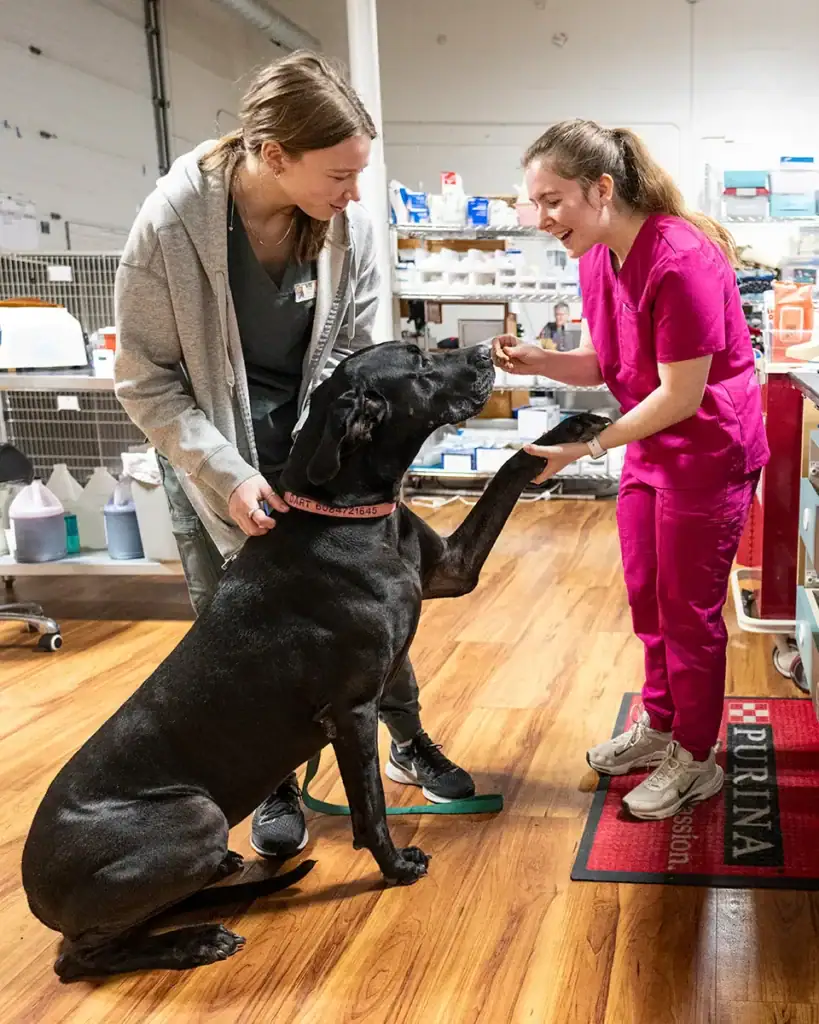
Earlier this year, a local organization that assists individuals facing domestic violence approached WisCARES. “They came to us for help because they have a lot of clients who are fleeing domestic abuse situations and have pets,” says Schultz.
The support organization now covers the cost of a package of veterinary care at the clinic for pet owners trying to leave an abusive partner. This includes an exam, core vaccines, and other essentials that a landlord might ask to see — so the animal is ready to move once the owner is.
Real-World Experience
Veterinary medical students get critical training at WisCARES through hands-on care and client interactions. “There is so much the students gain and learn through experiencing even just briefly the lives of the clients they’re working with,” Alvarez says.
About 70 veterinary medical students train in the clinic annually in groups of three to five for two weeks at a time. Students manage all cases, communicating with clients, examining patients, and providing care to the animals in coordination with veterinarians and technicians.
Others train at the clinic, too. Pharmacy students fill prescriptions and stock medications. And social-work students help identify social service resources and counsel clients. “A lot of times, our clients are not treated well in the world,” says Jennifer Wheeler Brooks, the organization’s director of social work and outreach. “They come here, and they’re treated well.”
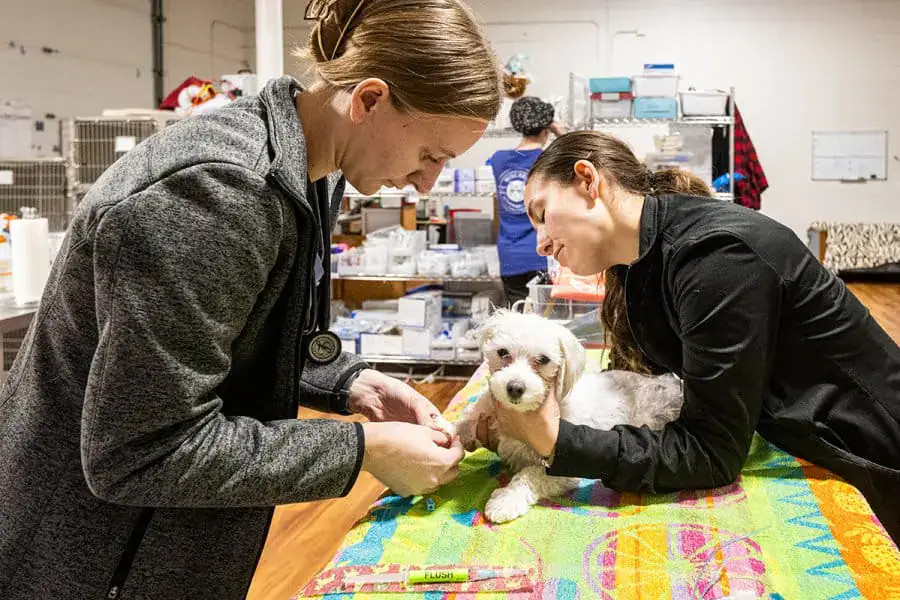
Student trainings cover topics ranging from poverty, homelessness, and the social determinants of health to ways of approaching client conversations with empathy and an open mind. How to help people keep their pets as healthy as possible within a budget is a significant point of emphasis.
“Every client that comes in, we teach the students to work with them where they are,” explains Alvarez. In recent years, veterinary medical schools have prioritized training graduates for a full spectrum of care or a broad range of diagnosis and treatment options from state-of-the-art to more conservative. Again, the UW and WisCARES are at the forefront. Alvarez says a spectrum of care has been a central focus of their curriculum “in an organic, natural way” for a decade.
“Not every client is going to be able to do the most advanced and amazing things, and that’s okay,” she says. “So, let’s figure out how to treat the patient in front of you.”
Understanding and Openness
Maura Enright DVM’24 began working at WisCARES as an undergraduate who hoped to attend vet school — a dream that culminated with her graduation in May. Her time at the clinic made her aware of the challenges facing many pet owners.
“It’s been so transformative in how I view the veterinary field,” she says. Her mindset as she enters her career: “How can we support this patient and the owner, regardless of what they can bring to the table that day?”
Alvarez wants students to leave with an understanding that veterinary medicine isn’t solely about working at an upscale clinic where clients can pay full price when they walk in the door. “There’s more to veterinary medicine than that, and there’s more to society, people, and pets than that,” she says.
The team finds purpose in WisCARES’s dual approach of veterinary medicine and social justice, helping to change the trajectory daily for pets and people. Teaching students adds extra inspiration, and Schultz sees potential for long-term impact. “I like to think that I’m making a difference every day and that because we have the students with us, maybe four decades from now, a past student will think about WisCARES and make a different medical decision.”
What kind of decision would that be? “A kinder, more thoughtful decision,” she says. •
Meghan Lepisto ’03, MS’04 is a writer based in Madison. She treasures the bond shared with her own affectionate mutt.
WisCARES Started with Students
As a veterinary student at UW–Madison, Katie Kuehl DVM’12 knew she wanted to help vulnerable pet owners.
At the time, there was a pervasive attitude in the medical field that considered pets unsafe for people who were immunocompromised. But a lecture by Professor Chris Olsen opened Kuehl’s eyes to ways to make pet ownership safer for these patients.
Along with fellow student William Gilles DVM’13, she was inspired to approach the AIDS Network of South-Central Wisconsin to provide training for AIDS Network clients and case managers about safe pet care.
They named their venture WisCARES. Following graduation, Gilles served for several years as director of WisCARES, helping to build the program in its broader iteration as a School of Veterinary Medicine initiative.
In 2017, Kuehl joined the Washington State University College of Veterinary Medicine to lead the university’s Shelter Medicine program and help found the One Health Clinic, where she serves as veterinary director. The clinic provides human and animal health care side by side in a shelter for people and their pets experiencing homelessness.
“If you think about folks who are houseless,” she says, “they have this animal that’s literally their best friend and support. Maybe the dog is the reason they get up in the morning and even try, because they want to be able to care for their special friend. Being able to receive care for their animal can make such a huge impact for their own well-being.”
Kuehl was in close contact with WisCARES during the One Health Clinic’s creation and as she incorporated student training. Their paths continue to intersect as collaborators on veterinary continuing education around access to care.
She’s grateful for ongoing connections with UW–Madison mentors and peers and aims to embody the same compassion and drive she experienced at her alma mater.
“It goes full circle,” she says.
— M. L.
Editor’s note: Previous articles have been published on The Whitewater Banner regarding a “solar farm” that is proposed to be constructed to the east of the city: Nearly 100 Attended Solar Hearing (July 10); LOCAL Hearing on Proposed Whitewater Solar Project (July 7).
This article provides updates on developments since the Public Service Commission [PSC] public hearing on July 10. This includes the opportunity for the public to make comments by Friday, July 18 on the Supplemental Environmental Assessment that the PSC issued. Approximately 1000 comments were submitted by the original deadline of July 10.
The Banner does not have a position regarding the project but encourages the public to be informed about it and to submit any comments they may have for or against the project.
________________________________________________________________
The video of the Public Service Commission’s 2:00 p.m. public hearing on July 10 may be viewed here. The video of the 6:00 p.m. public hearing may be viewed here.
_______________________________________________________________
TMJ4 ran a story on July 10, “Proposed solar project near Ice Age Trail raises concerns among hikers and environmentalists.” The byline reads “Local residents worry the 2,700-acre Whitewater Solar Project will permanently alter the landscape and harm wildlife near one of Wisconsin’s most treasured natural areas”
________________________________________________________________
The “big beautiful bill” eventually eliminates tax credits for solar projects. The residential solar tax credit for homeowner solar systems will expire on December 31, 2025. For solar farms and other commercial projects, the tax credit remains available but with stricter conditions. Projects must begin construction before July 4, 2026 and be completed by December 31, 2027 to qualify for the full 30% credit. The bill also includes provisions that indirectly push for solar panels to be made in the U.S. by restricting the use of components from certain foreign entities.
_________________________________________________________________
Originally written comments on the proposed project were required to be submitted by July 11; however, as a result of last minute changes to the project the Public Service Commission prepared a Supplemental Environmental Assessment for the project. There’s a short window until Friday, July 18 for the public to comment on this document. Comments may be submitted here. It is suggested that commenters may wish to ask for a full Environmental Impact Statement to be completed.
The group that is opposing the project also suggests the following concerns that commenters might wish to mention:
- SAVE THE KETTLE!: The unacceptable close proximity of this Whitewater Solar Project to the Southern Kettle Moraine Forest, the second most visited Forest in the state, home of the cherished Ice Age Trail, a National Scenic Trail. (Pg. 82-83) They quite simply ignore the negative impacts of the Whitewater Solar Project on the Kettle area residents, prime farmland and wildlife, and the value this cherished recreational area brings to the citizens who regularly visit from the local urban areas.
- UNACCEPTABLE ENVIRONMENTAL IMPACTS: The host of new, irreversible, unavoidable environmental effects of this Whitewater Solar Project including: negative aesthetic impacts to the rural lovely landscape, noise pollution, inexcusable removal of prime farmland from production, wildlife impacts, wetland impacts, changes to vegetation, soil compaction, erosion, stormwater runoff and infiltration. (Pg. 81-82)
- LOCAL CONTROVERSY: A simple drive through the area, or a look at the Public Comments offered would make it quite clear that there’s huge local pushback on this project. But sadly, the staff charged with this task did a “desk review” for this document and didn’t take the time to come out to see the impact for themselves. The complete omission/lack of acknowledgement of the obvious local controversy over this project (Pg. 82) in the preparation of the supplemental EA is beyond concerning, it’s gross negligence.
- PEOPLE ARE IN THE DARK: The local residents have not been properly/adequately informed on these updates including: including new panels, new inverters, floodplain and wetland impacts, new sound and fencing impacts on local residents, and a larger footprint for the project. This was evident in the Public hearings conducted at 2pm and 6pm on July 9th.
- UNABLE TO MITIGATE: This Whitewater Solar Project cannot be adequately screened with landscaping to protect all of the longtime residents of the area and/or visitors coming to enjoy the peace and serenity of the lovely Kettle from the horrible noise and devastating visual impacts of the Project. In fact, to date, the Applicant does not even have a Landscaping plan available for review.
- INADEQUATE TIME FOR REVIEW: The speed with which the PSC was required to review the new Application materials delivered at this late date to the PSC and complete this updated EA- They had from June 4th to July 2. This process usually takes months, and they had to do it in weeks. The intervenors have been stressed beyond belief by this truncated process, that has been expedited to meet the needs of the Applicant, ignoring the needs of the citizens.
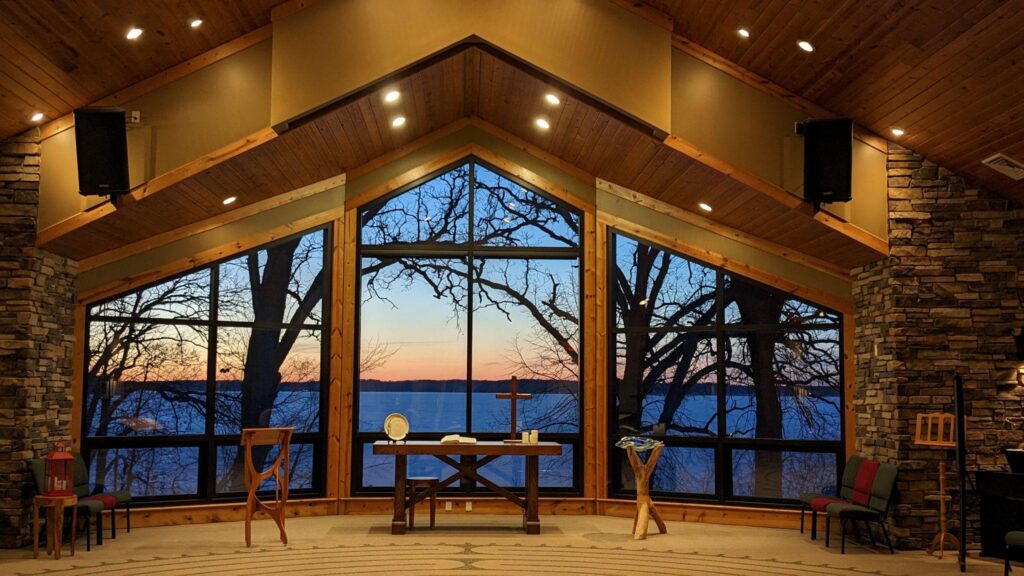
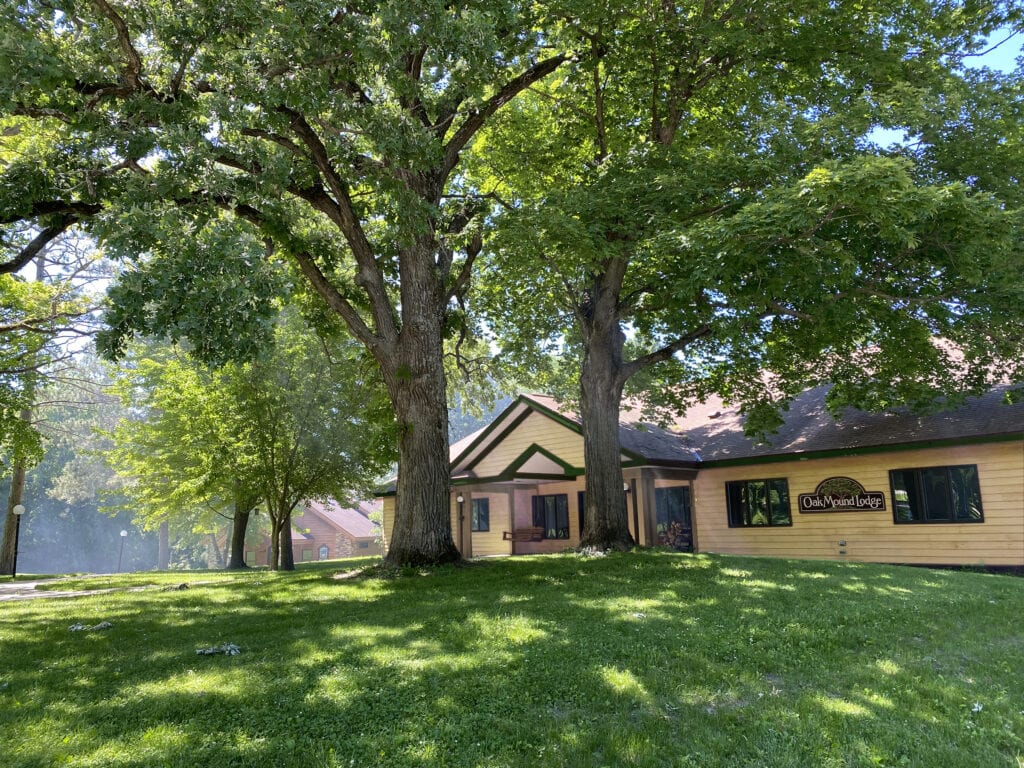
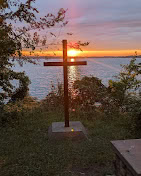
“Broken to Beautiful” is the theme of a fall retreat planned by First Congregational United Church of Christ in Fort Atkinson.
The public is invited to join congregation members Friday through Sunday, Sept. 26-28, at the Daycholah Center on the southeastern shore of Green Lake in Ripon.
The per-person fee of $270 covers two nights in the Oak Mound Lodge, six meals, faith experiences and fieldtrips.
Persons with several family members attending or for whom participation would be a financial hardship are encouraged to speak with the Rev. Dr. Sara Rabe, pastor of First Congregational UCC.
Activities might include nature walks, birding, fishing, service projects, Bible study, arts and crafts, music, games, fieldtrips and more. A visit to the Wes Hunting Studio Glass in Princeton is planned. Morning devotions, evening vespers and Sunday worship also are slated. Programs and the final schedule will be based on the makeup and input of attendees.
All ages are welcome. Minors must be accompanied by a parent or guardian. Friday’s arrival time is flexible, at 11:30 a.m. or 5:30 p.m. to accommodate work schedules. Departure is set for 11:30 a.m. Sunday.
The registration deadline is Aug. 17. Register online at https://fortfcc.org/forms. A paper registration form can be downloaded and also is available at the church, located at 31 W. Milwaukee Ave. in Fort Atkinson.
This marks First Congregational UCC’s third annual retreat to the Daycholah Center, affiliated with United Church Camps Outdoor Ministry. Located at W1010 Spring Grove Road in Ripon, this sacred place is the ancestral homeland of the Menomonie, Ojibwa and Ho Chunk Nations.
For more information, contact Pastor Rabe at (920) 563-4802.
The National Weather Service has issued a Tornado Watch until 6 p.m. on Wednesday, July 16 for Jefferson, Rock and Walworth Counties. A watch indicates that conditions may be right for a tornado to form, but no tornadoes have yet been sighted.

Updated on 7/16 @ 10:30 a.m. with the image and narrative below. There is no major change from yesterday’s forecast.
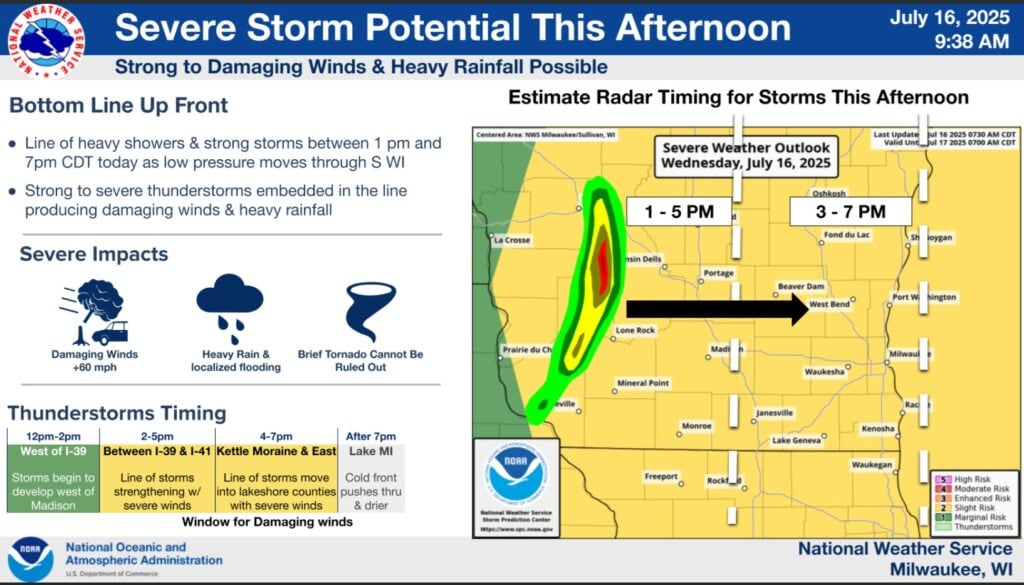
The National Weather Service Milwaukee/Sullivan Weather Forecast Office indicates that there is potential for strong to severe thunderstorms in our area on Wednesday afternoon and evening.
- A broken line of strong storms is expected to develop (between 12 PM to 2 PM CDT) in southwest and south central WI.
- The storms are expected to sweep eastward across the rest of the area between 2 PM this afternoon to 6 PM CDT this evening, before moving out over Lake Michigan after 7 PM CDT this evening.
- Some storms may become strong to severe (risk level 2 out of 5), with damaging wind gusts as the primary hazard, but cannot rule out an embedded, brief tornado.
- Heavy rainfall accompanying storms with 1-2 inches of rainfall and locally high pockets of >3″ mainly north of the I-94 corridor. Heavy rainfall over the same area for extended periods of time (+1 hr) would result in low-lying and urban and small stream flash flooding.
Obituaries
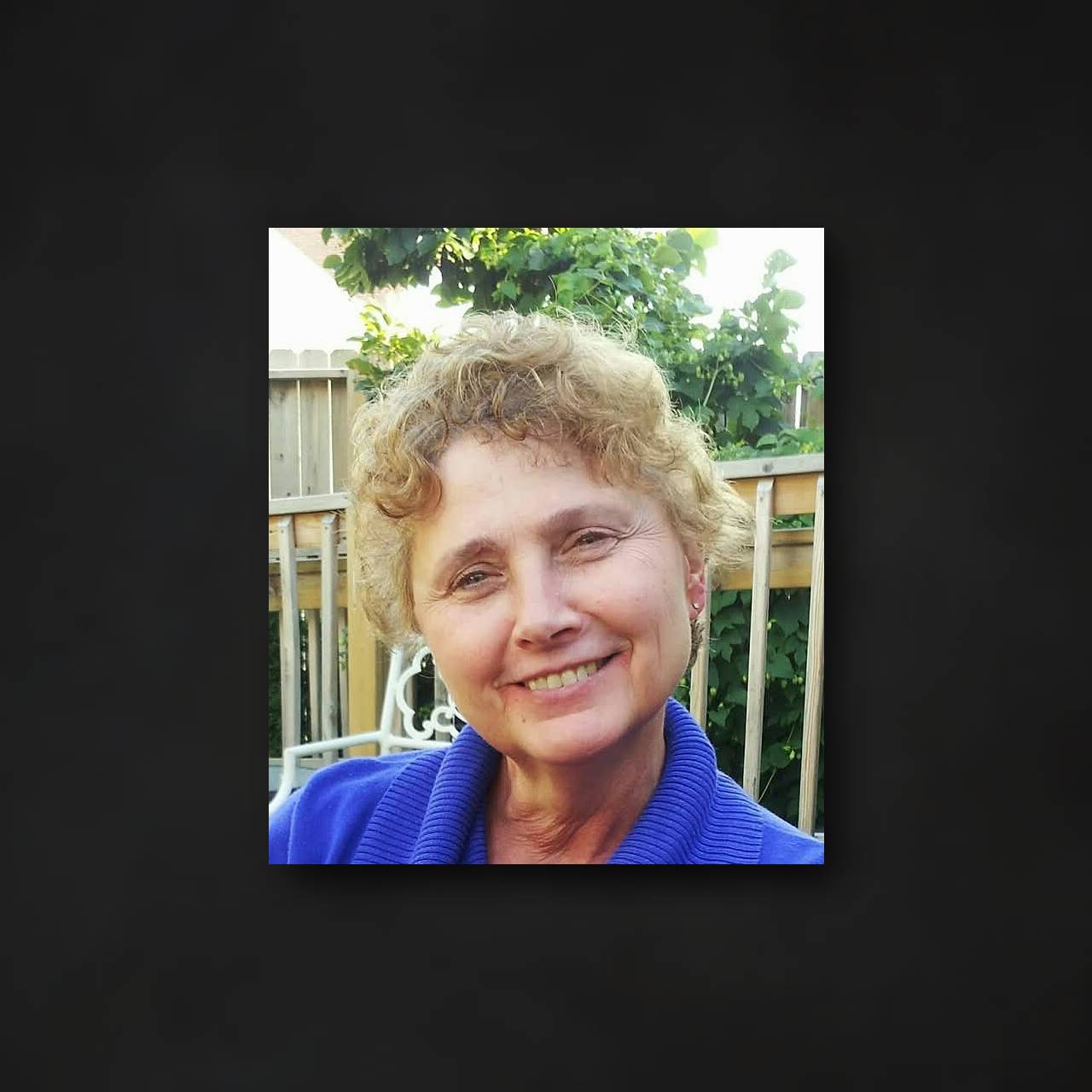
Sally A. Schutte, age 73, of Whitewater, went home to be with her Lord and Savior on September 21, 2026, while at Hearthstone Memory Care in Whitewater. Sally was born on November 6, 1952, to Roy and Elsie (Rohloff) Haas. Sally married William Schutte in the spring of 2003. Sally grew up on the family farm in the Town of Hebron and graduated from Jefferson High School. She dedicated nearly her entire career to Fort HealthCare, where her hard work and versatility shone through various roles. Over the years, she served in housekeeping and medical records, Center for Dermatology. Sally … Read more
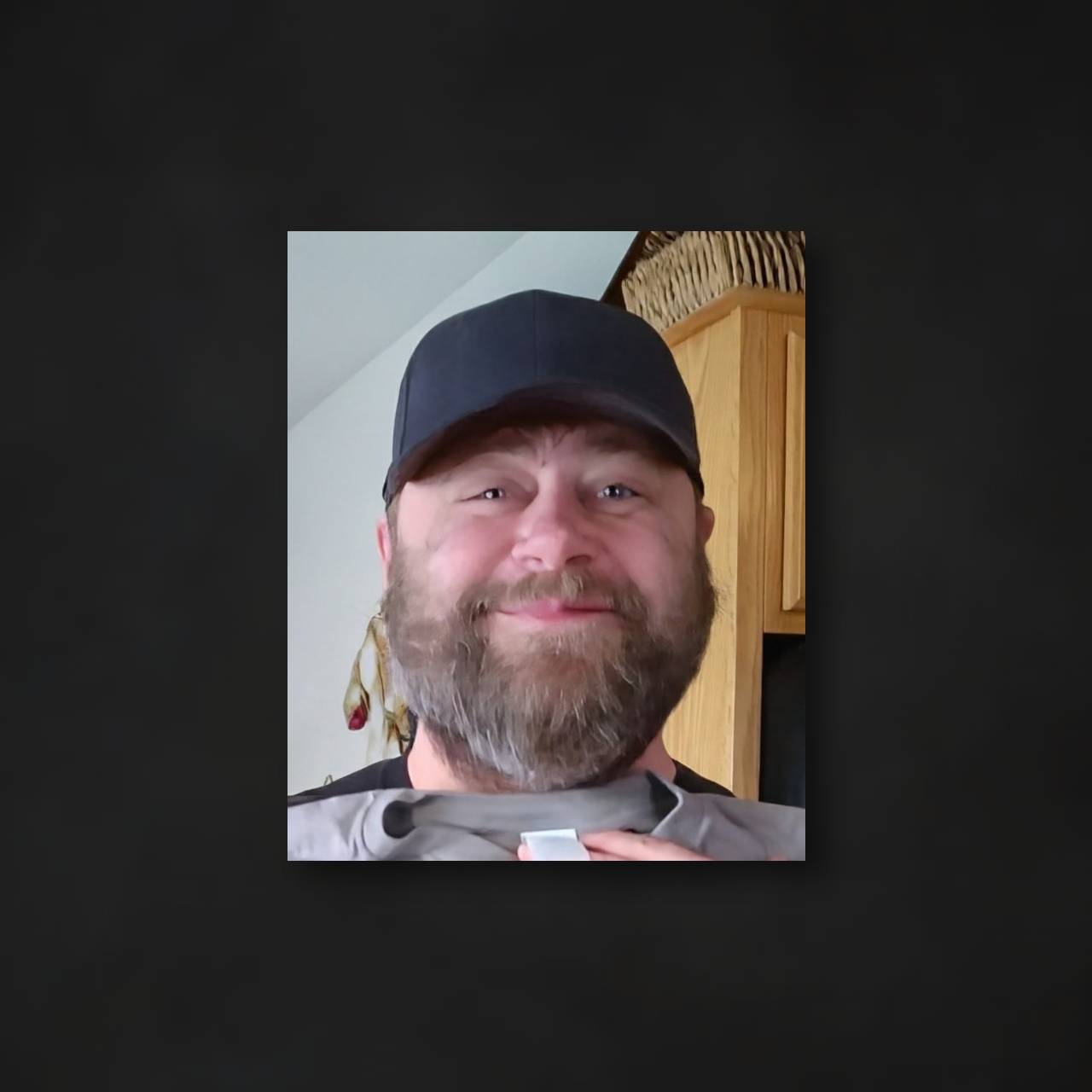
Zachariah “Zach” Schoenke, 41, of Whitewater passed away peacefully on Tuesday, September 22, 2026. He was born April 4, 1985, to Keith W. Schoenke and Kathleen Schoenke in Fort Atkinson, WI. He grew up and graduated from Whitewater High School in 2003. Zach worked various jobs over the years but was currently working at Cracker Barrel in Janesville. He was a big Packers Fan and liked to play fantasy football. He enjoyed reading, cooking, and watching horror shows. Zach fiercely loved his son, Lincoln, his sisters, Cami and Cary, his mom and stepdad, and his aunt Robin. He will be dearly … Read more
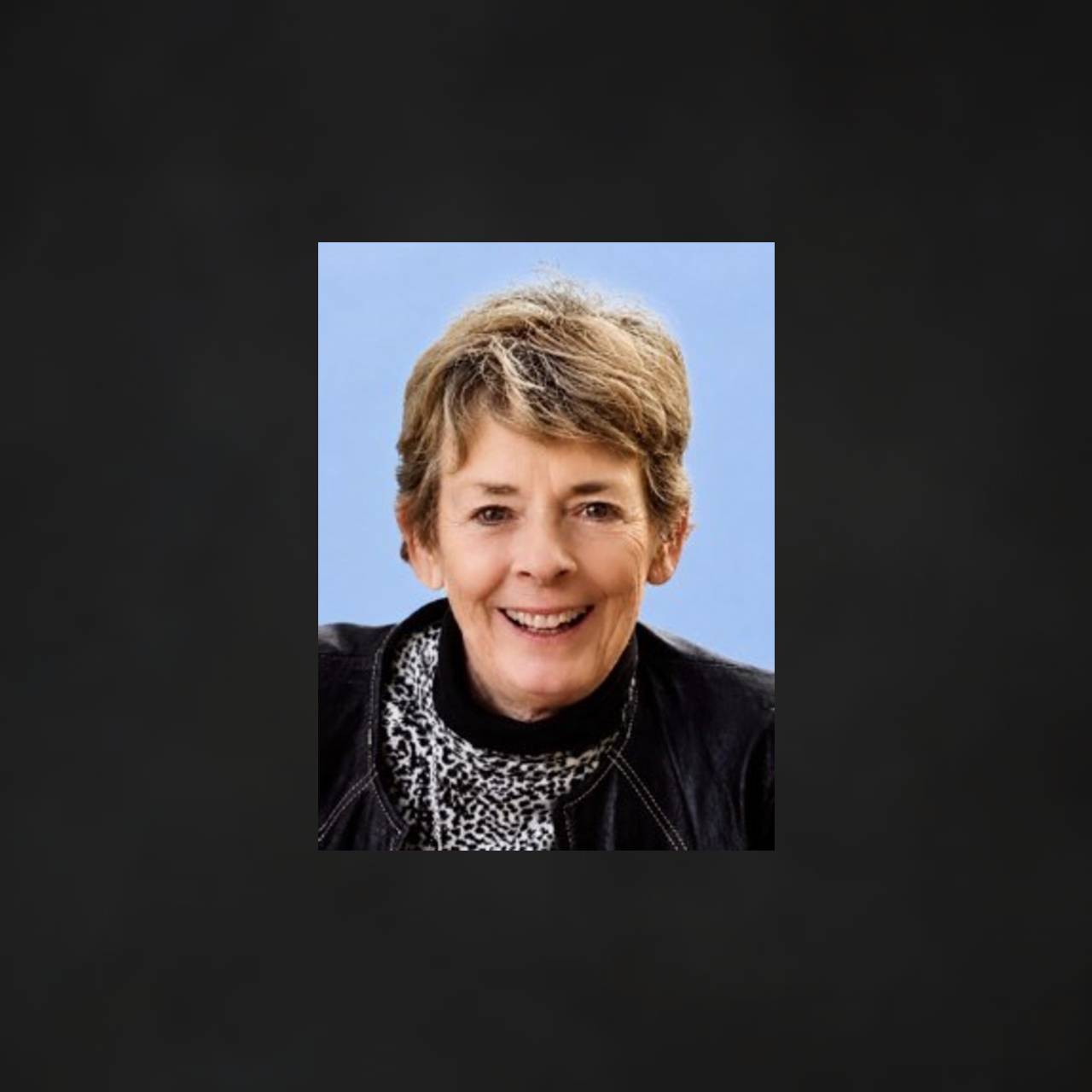
Carla Winn, 82, died September 5, 2026. Funeral Service will be at 12:00 PM, Saturday, September 12, 2026, at East Heights United Methodist Church, 4407 E Douglas Ave, Wichita, KS 67218, followed by a burial at 2:00 PM at White Chapel Memorial Garden 1806 N Oliver Ave. Carla is preceded in death by her parents, Vivian Dwight and Wilma Lois Krehbiel; and sister, Jennifer Krehbiel. She is survived by husband, Stephen; daughter, Ashley (Clint) Gagel, of Overland Park; siblings, Paul (Kay) Krehbiel, of Socorro, NM, Lynn (Bill) Oetting, of Wichita, Ellen (John) Querner, of Wichita, Teresa Woodson, of Lawrence, KS, … Read more

Susan Miller Celebration of Life There will be a gathering of friends and acquaintances at Susan’s Farm Store to celebrate Susan’s life on Saturday, September 19th from 2-5 p.m. at N6623 Lake Lorraine Rd., Delavan, Wisconsin
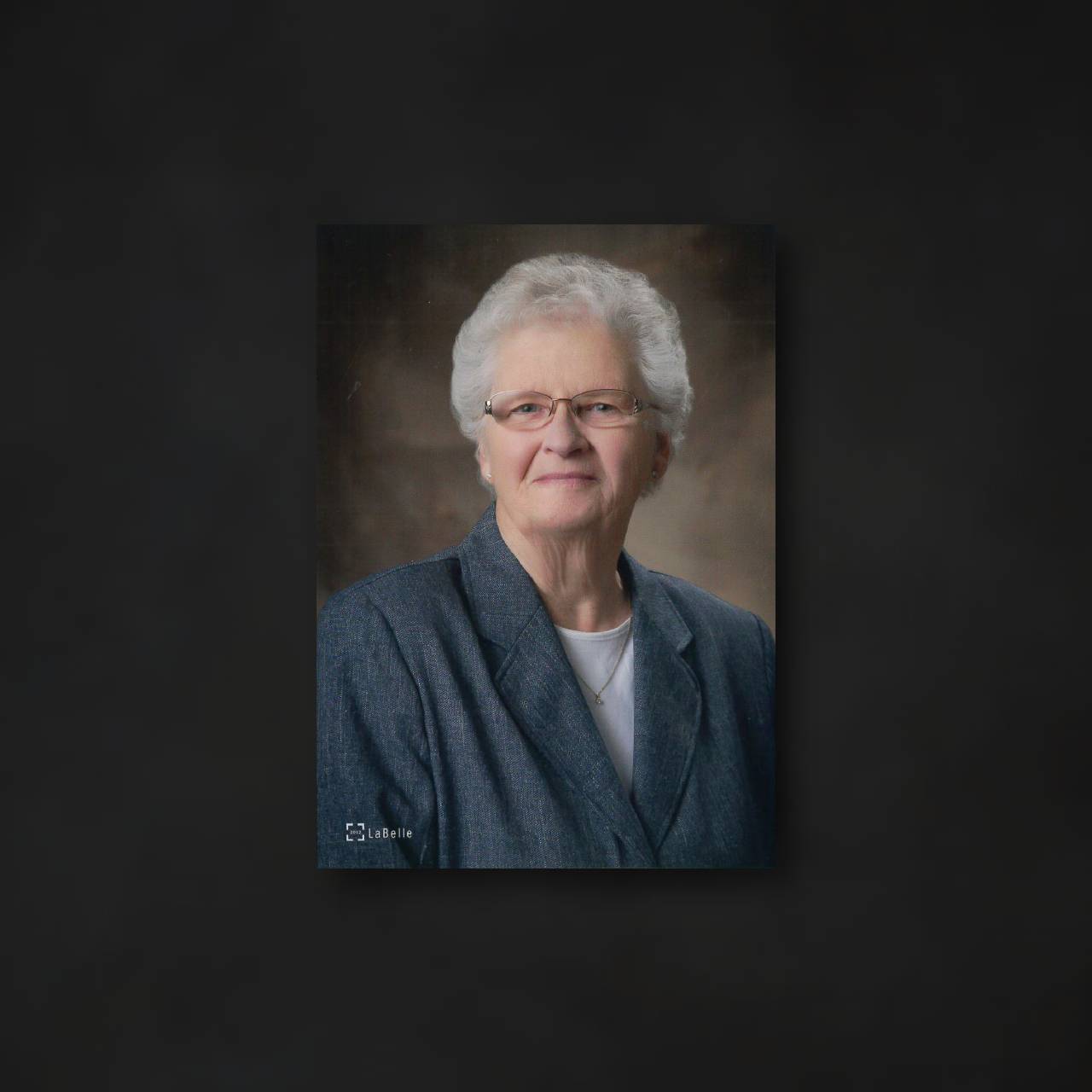
Our loving mother, JoAnn E Harrop, age 95, passed away on September 11, 2026. Our sorrow is deep, but we are filled with gratitude for the many years we had with her. Even as her mind was failing, she remained strong and appreciative of all who cared for her. JoAnn was born on January 13, 1931, daughter to Fred Braun and Evelyn Braun {Storck). She was raised in Whitewater, Wisconsin by her grandparents, Otto and Edith Storck. She attended Whitewater High School and helped at the Storck tavern where she met her husband Earl C. Harrop. They married on November … Read more
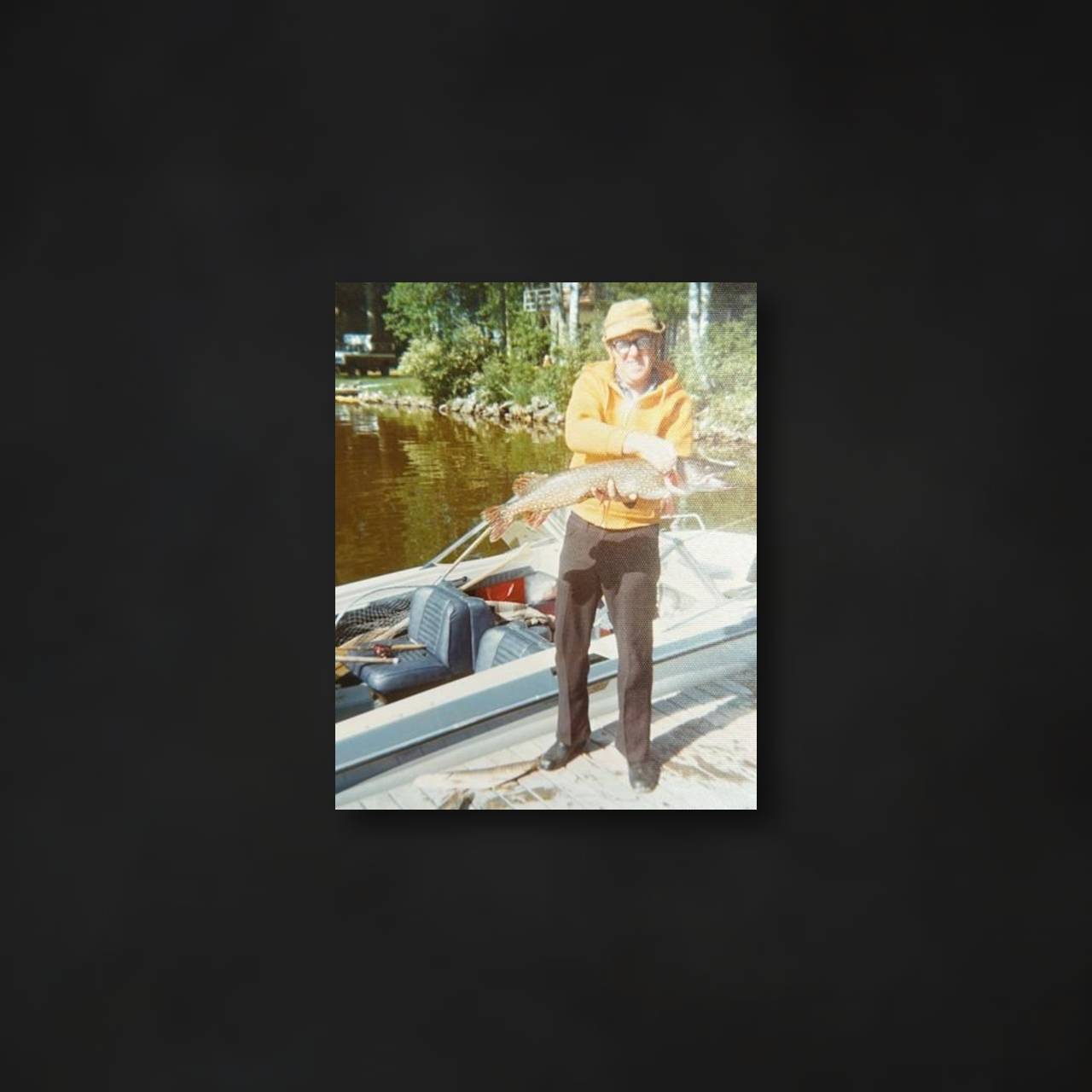
Russell O. Johnson “Russ,” 88, passed away on September 4, 2026 in Whitewater, Wisconsin. Russell was born on July 12, 1938, in Janesville, Wisconsin. Russ grew up in Janesville, and after high school he joined the Air Force on May 1, 1958, serving as an aircraft mechanic until June 12, 1962. He then worked at Parker Pen in Janesville for a time, where he met his future wife, Avis. After marrying Avis Mason in April 1964, Russ worked for Gillman Manufacturing for a time, then began a career at Dana until its closing in 1980. In 1981, Russ started working … Read more
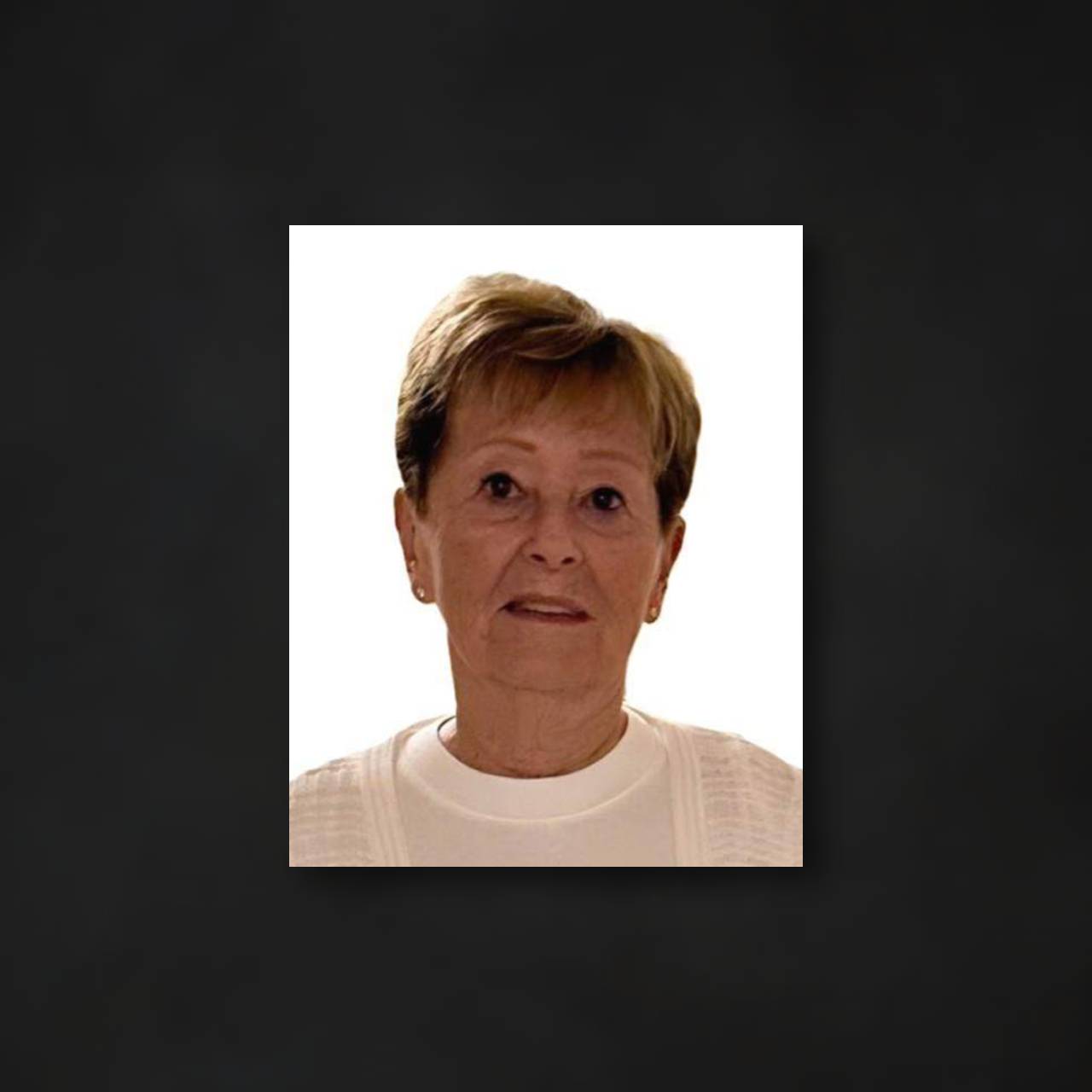
Marcia Zingg, beloved wife, mother, grandmother, businesswoman, and friend, passed away peacefully on September 1, 2026, at the age of 75. Marcia will be remembered for her unwavering love, remarkable strength, generous spirit, and lifelong devotion to her family. She shared 40 wonderful years of marriage with her husband, Jeffrey Zingg, who considered her not only his wife but also his best friend, business partner, and the love of his life. Together, Marcia and Jeffrey built a successful life rooted in perseverance, hard work, laughter, and love. As entrepreneurs in Whitewater, Wisconsin, they owned and managed new car franchises and … Read more
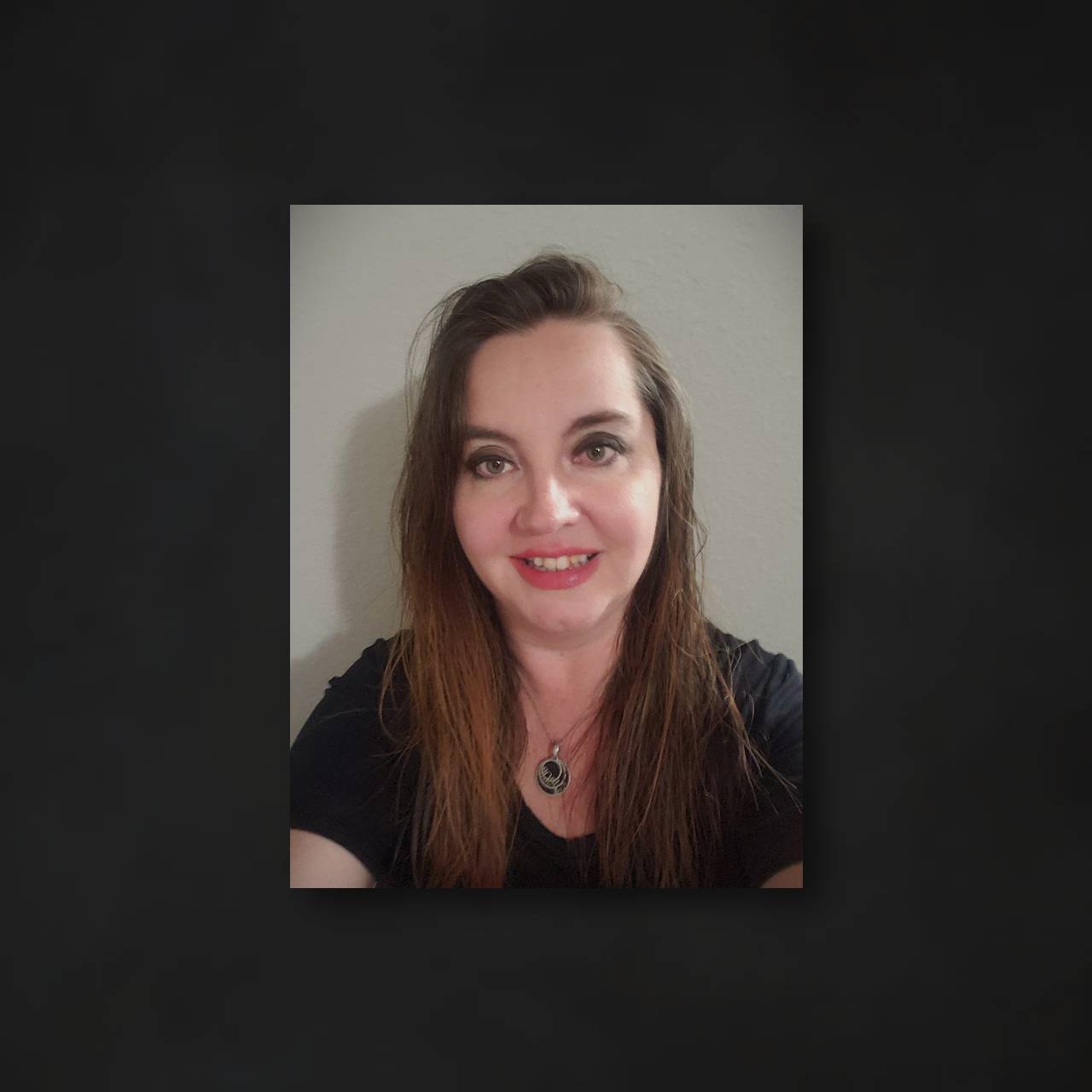
Amanda Jean Hunter was born to Ralph and Malinda (Thomas) Hunter of Whitewater, Wisconsin, on October 6, 1976. She passed away on August 4, in Fort Worth, Texas, where she lived with her family. Amanda passed peacefully in the hospital, surrounded by her loved ones. Amanda was a kind-hearted free spirit with an unmistakable hippie warmth. Generosity, spontaneity, a quick wit, a macabre sense of humor, and an open heart were traits that she embraced. She was a tireless champion of those in need, an innate characteristic that became among the best of her qualities. She proved to be a … Read more
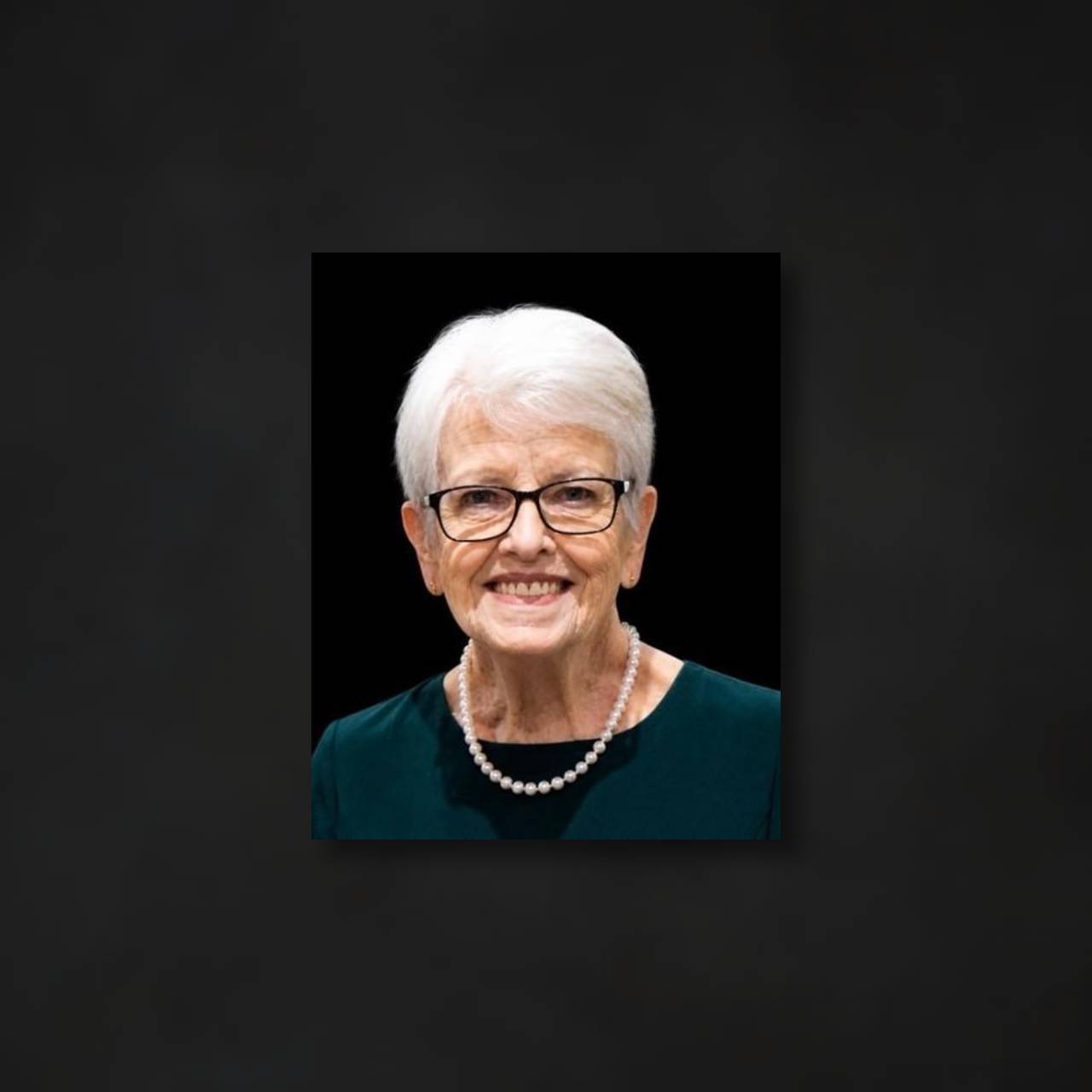
Ellen Eichmiller, 82, of Whitewater, Wisconsin, passed away on Saturday, August 22, 2026. Ellen was born on September 10, 1943, in Monroe, Wisconsin, to Chester “Guy” and Irene (née Holmen) Steig. She married the love of her life, Paul Eichmiller, on December 7, 1963, and together they made their home in Whitewater, Wisconsin. Ellen spent much of her working life as a secretary at the University of Wisconsin–Whitewater, where she formed many lasting friendships and memories. Ellen cherished her family and friends and treasured the time she spent with those closest to her. She was known for her love of … Read more
Janet Quinn, age 71, of Jefferson passed away on Thursday, August 20th. Janet was born on December 22nd, 1954 in St. Joseph, MI to Robert Mounsey and Edith Christison Mounsey. She was a granddaughter to Herbert Bragg Mounsey, Charlotte Mounsey, and Ester Christison West. She married Michael Durden in 1979 and later married Eury Quinn Jr. (J.R.) in 1988. Janet grew up in Benton Harbor, MI, and subsequently lived in New York and Arkansas before moving to Wisconsin in 2016. She was a dedicated caregiver to her disabled Mother, and worked as a custodian for various employers over the years. … Read more
Other Recent Posts
Click on the title to view the post. To open the post in a new tab, press Ctrl (Cmd on a Mac) while clicking on the title.
